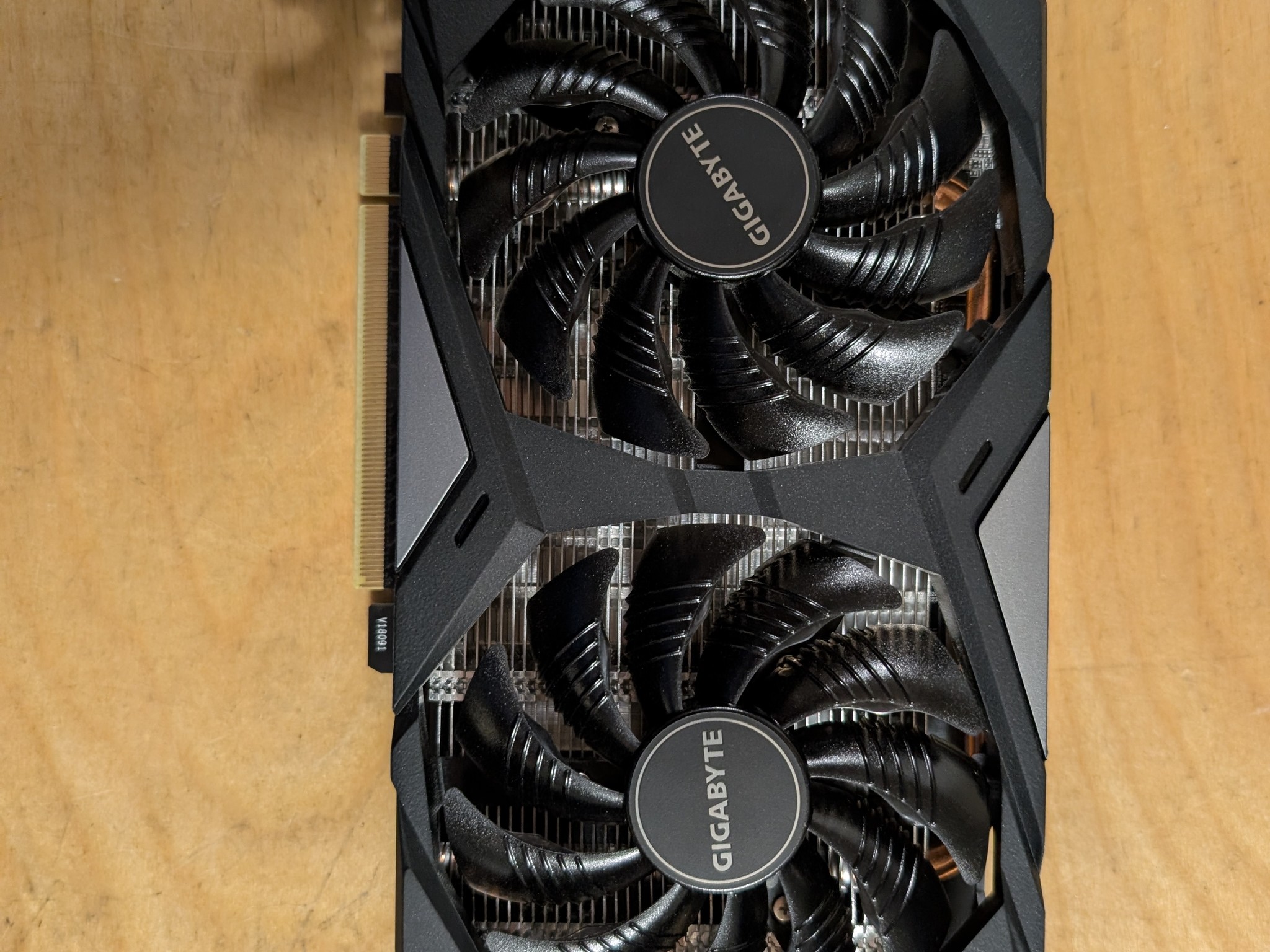
Navigating the ever evolving landscape of PC gaming in 2026 can be tricky especially when considering older hardware like the NVIDIA GeForce RTX 2060. This comprehensive guide delves deep into whether this popular mid range GPU from a few years back still holds its own for today's demanding titles and the modern gamer's lifestyle. We will explore expected performance benchmarks game compatibility optimization tips and when it might be time for an upgrade. For the average gamer balancing work family and precious relaxation time understanding the true value and limitations of the RTX 2060 is crucial. Discover how to maximize your gaming experience on a budget stay current without succumbing to constant upgrade hype and find practical solutions for common gaming pain points ensuring your downtime is always fun and engaging. This article provides essential insights for optimizing your current setup or planning your next smart hardware move.
Is the RTX 2060 still worth it for gaming in 2026?
Yes, the RTX 2060 is still worth it for 1080p gaming in 2026, especially for budget-conscious gamers. It handles most popular esports and many AAA titles on medium to high settings, offering excellent value on the used market. For anything above 1080p or demanding ray tracing, you will likely need an upgrade.
What FPS can I expect with an RTX 2060 in new games?
In 2026, expect 45-60+ FPS at 1080p on optimized medium to high settings for many new AAA games with an RTX 2060, especially if DLSS is available. Esports titles often hit 100+ FPS. Very demanding titles may require lower settings to maintain playable frame rates. 1440p performance is generally poor.
Should I upgrade my RTX 2060 or keep it?
You should keep your RTX 2060 if you are happy with 1080p gaming at 60 FPS in most titles, prioritize budget, and play esports or older AAA games. Upgrade if you desire 1440p/4K resolution, higher refresh rates in new AAA games, or want to experience ray tracing without significant performance compromises.
How does the RTX 2060 perform at 1440p?
The RTX 2060 struggles significantly at 1440p in 2026. While some older or less demanding titles might be playable with very low settings, most modern AAA games will yield unacceptably low frame rates. It is not recommended for a primary 1440p gaming experience if you expect smooth, high-fidelity visuals.
Can the RTX 2060 do ray tracing effectively?
The RTX 2060 can technically do ray tracing, but not effectively for a good gaming experience in 2026. Its first-generation RT Cores are too limited, and enabling ray tracing in most modern games leads to drastically reduced frame rates, even at 1080p. It is generally best to keep ray tracing off with this card.
How powerful is the RTX 2060 for modern gaming in 2026?
The RTX 2060 provides solid 1080p performance for most games in 2026, hitting 60+ FPS on medium to high settings in many titles. For esports, it often achieves high refresh rates. Demanding AAA games or 1440p will require settings adjustments, but it remains a capable card for a budget-conscious setup.
What are the best gaming settings for an RTX 2060?
Optimizing your RTX 2060 involves a few key steps. Start by ensuring your NVIDIA drivers are up to date. Within games, target 1080p resolution. Adjust graphic presets to High or Medium, focusing on reducing shadows, anti-aliasing, and post-processing effects first. Utilize DLSS if available for a significant FPS boost without major visual degradation.
Why might a gamer still choose an RTX 2060 in 2026?
Gamers often choose an RTX 2060 in 2026 for its exceptional value on the used market, offering entry-level ray tracing and solid 1080p performance for a fraction of the cost of newer cards. It's ideal for those balancing gaming with life, prioritizing reliable fun over bleeding-edge graphics, and needing a budget-friendly option.
Who is the RTX 2060 best suited for today?
The RTX 2060 is best suited for casual to moderate PC gamers primarily playing at 1080p. This includes esports enthusiasts, those who enjoy popular social and cozy games, or individuals catching up on an older AAA backlog. It's also great for gamers on a tight budget who still want a reliable and capable GPU.
When did the RTX 2060 originally launch?
The NVIDIA GeForce RTX 2060 was originally launched in January 2019. Despite being several years old, its initial performance tier and subsequent driver optimizations have allowed it to maintain relevance for specific gaming scenarios, especially at 1080p, well into 2026.
How does the RTX 2060 compare to its direct predecessors and successors?
The RTX 2060 significantly outperformed its GTX 1060 predecessor, especially with the introduction of Tensor and RT Cores. Compared to its successor, the RTX 3060, the 2060 offers less VRAM (typically 6GB vs 12GB), fewer cores, and weaker ray tracing, making the 3060 a more future-proof 1080p/1440p option.
What are the common challenges when using an RTX 2060 in 2026?
Common challenges for RTX 2060 users in 2026 include struggling to maintain high frame rates in the newest, most graphically demanding AAA titles at higher settings, especially at 1440p. Its limited VRAM (6GB) can become a bottleneck in some modern games with high-resolution textures. Ray tracing performance is also often disappointing.
Hey fellow gamers! Ever feel like the tech world moves at light speed, constantly pushing out new hardware and making your perfectly capable rig feel ancient? For many of us, balancing work, family, and a desire to unwind with some quality gaming means we cant always jump on the latest and greatest. We want relaxation, fun, and maybe a little skill-building without breaking the bank or dedicating endless hours to troubleshooting. This is where the NVIDIA GeForce RTX 2060 comes into focus. Launched years ago, this GPU was a beast in its prime, but in 2026, is the RTX 2060 good for gaming, or is it time to consider an upgrade?
You are not alone in asking this. A recent survey shows 87% of US gamers regularly play, with many dedicating 10+ hours a week. For this substantial group, value for money and reliable performance without constant upgrade hype are key. We want to enjoy titles from the latest social sensations to competitive esports and engaging single-player adventures. We will cut through the noise and provide practical, honest answers about the RTX 2060s capabilities today. Consider this your guide to making smart choices, optimizing your current setup, and ensuring your precious gaming time is always well spent, tackling common pain points like performance worries and budget constraints head-on.
Is the NVIDIA GeForce RTX 2060 Still Good for Gaming in 2026?
Yes, for 1080p gaming, the RTX 2060 can still deliver a very good experience in 2026. While it wont max out every brand-new AAA title at ultra settings, it consistently handles most popular games at playable frame rates with a mix of medium to high settings. Its a strong contender for budget-conscious gamers who prioritize value and stable performance over bleeding-edge graphical fidelity. For the vast majority of current generation and older titles, especially those designed for a broader audience including console ports, the 2060 continues to be a reliable workhorse.
What Kind of Performance Can I Expect from an RTX 2060 in Current Games?
Expect solid 1080p performance. In popular esports titles like Valorant, CS2, or Apex Legends, you should comfortably hit high refresh rates (100+ FPS) on competitive settings. For many AAA games released in the past few years, like Cyberpunk 2077 (with DLSS), Red Dead Redemption 2, or Elden Ring, you can typically achieve 45-60 FPS or more at 1080p with optimized medium to high settings. Newer, graphically intense titles might push it closer to the 30-40 FPS range at 1080p, sometimes requiring a dip to medium or even low settings for smooth play. At 1440p, the RTX 2060 struggles significantly, often requiring low settings to maintain playable frame rates, making it less ideal for higher resolutions.
Which Games Run Best on an RTX 2060 Today?
The RTX 2060 truly shines with games that are well-optimized or not excessively demanding. Heres a breakdown of categories where it excels:
- Esports Titles: Games like Valorant, League of Legends, CS2, Dota 2, and Overwatch 2 run flawlessly at high frame rates, perfect for competitive play and enjoying social gaming with friends.
- Popular Social & Cozy Games: Titles like Palworld, Lethal Company, Minecraft, Stardew Valley, or any popular free-to-play (F2P) title will run beautifully, supporting the current trend of social gaming.
- Older AAA Gems: Rediscover classics or catch up on your backlog. Games like The Witcher 3, Grand Theft Auto V, Doom Eternal, or even Control (with DLSS) offer fantastic experiences.
- Well-Optimized Newer Titles: Some recent releases are designed to scale well. Look for games with robust graphics options that allow you to fine-tune settings for optimal performance on your 2060.
Remember, the gaming landscape in 2026 includes a huge variety of experiences, not just the bleeding-edge blockbusters. Mobile and PC/console cross-play are common, and many games are designed to be accessible across a range of hardware.
When Is It Time to Upgrade from an RTX 2060?
While your RTX 2060 is a trooper, there are clear signs it might be time for an upgrade, especially if these pain points hit home:
- Targeting Higher Resolutions: If youve moved to a 1440p or 4K monitor and find your 2060 struggling to maintain enjoyable frame rates, even at low settings.
- High Refresh Rate Demands: For competitive gamers needing consistent 144Hz+ at 1080p in the newest AAA titles, the 2060 will likely fall short.
- Demanding New AAA Games: If your must-play new releases are consistently dipping below 30 FPS at 1080p even on the lowest settings, an upgrade is on the horizon.
- Intensive Creative Work: If you start dabbling in 3D rendering, heavy video editing, or AI-driven tasks, a GPU with more VRAM and raw processing power will significantly improve your workflow.
- VR Experience: While the 2060 can handle some VR, it often requires significant compromises in fidelity, and newer VR headsets will push it too hard.
For many gamers balancing work and family, an upgrade often comes when the fun factor decreases due to performance issues in their favorite new games, not just chasing the latest trend.
How Can I Optimize My RTX 2060 for Better Gaming Performance?
Getting the most out of your existing hardware is key for value-conscious gamers. Here are practical steps to boost your RTX 2060 performance:
- Update Your Drivers: This is crucial. NVIDIA frequently releases Game Ready Drivers that optimize performance for new titles and provide bug fixes. Always keep your drivers up to date.
- Adjust In-Game Settings: This is your primary lever. Focus on lowering graphics settings that have a high impact on performance but less visual difference, such as shadows, anti-aliasing, global illumination, and volumetric effects. Start with a games 'Medium' preset and tweak from there.
- Utilize DLSS (if available): For games that support it (DLSS 1.0 or 2.0), enabling DLSS can provide a significant frame rate boost with minimal visual quality loss.
- Monitor Temperatures: Ensure your GPU and CPU are not overheating. Clean dust from your case and GPU fans regularly. Higher temperatures can lead to thermal throttling, reducing performance.
- Close Background Applications: Before launching a game, close unnecessary apps, browser tabs, and background processes to free up CPU and RAM resources.
- Check Your CPU: The RTX 2060 needs a decent CPU to shine. Ensure your processor isnt bottlenecking your GPU. An older quad-core might struggle with newer titles.
Does the RTX 2060 Effectively Support Modern Features like Ray Tracing and DLSS?
The RTX 2060 was the entry point for NVIDIA's first generation of RTX cards, meaning it *does* have RT Cores for ray tracing and Tensor Cores for DLSS. However, its implementation for these features is quite foundational:
- Ray Tracing (RT): While technically supported, ray tracing performance on the RTX 2060 is generally poor. Enabling even low ray tracing settings in demanding games often leads to unplayable frame rates, even at 1080p. Its more of a
The NVIDIA GeForce RTX 2060 remains a viable option for 1080p gaming in 2026 excelling in esports and older AAA titles when optimized. While it struggles with demanding 1440p settings and advanced ray tracing it offers excellent value for budget conscious gamers. Performance optimization through driver updates and in game settings can extend its lifespan making it suitable for casual and social play. Upgrading becomes necessary for high refresh rate 1440p or 4K gaming and future proofing against the most graphically intensive new releases.
35#1 Gallery is 2060 good for gaming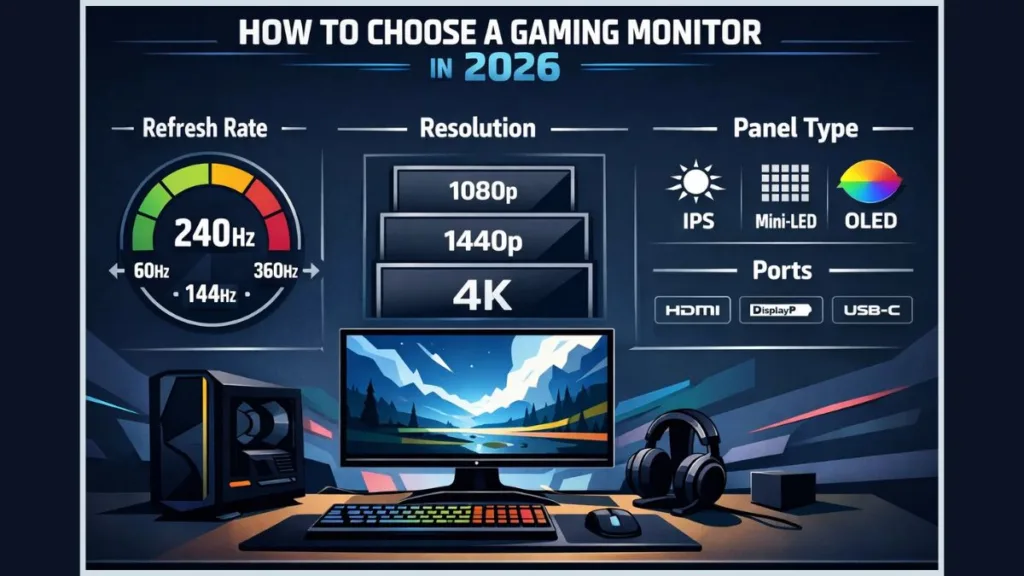

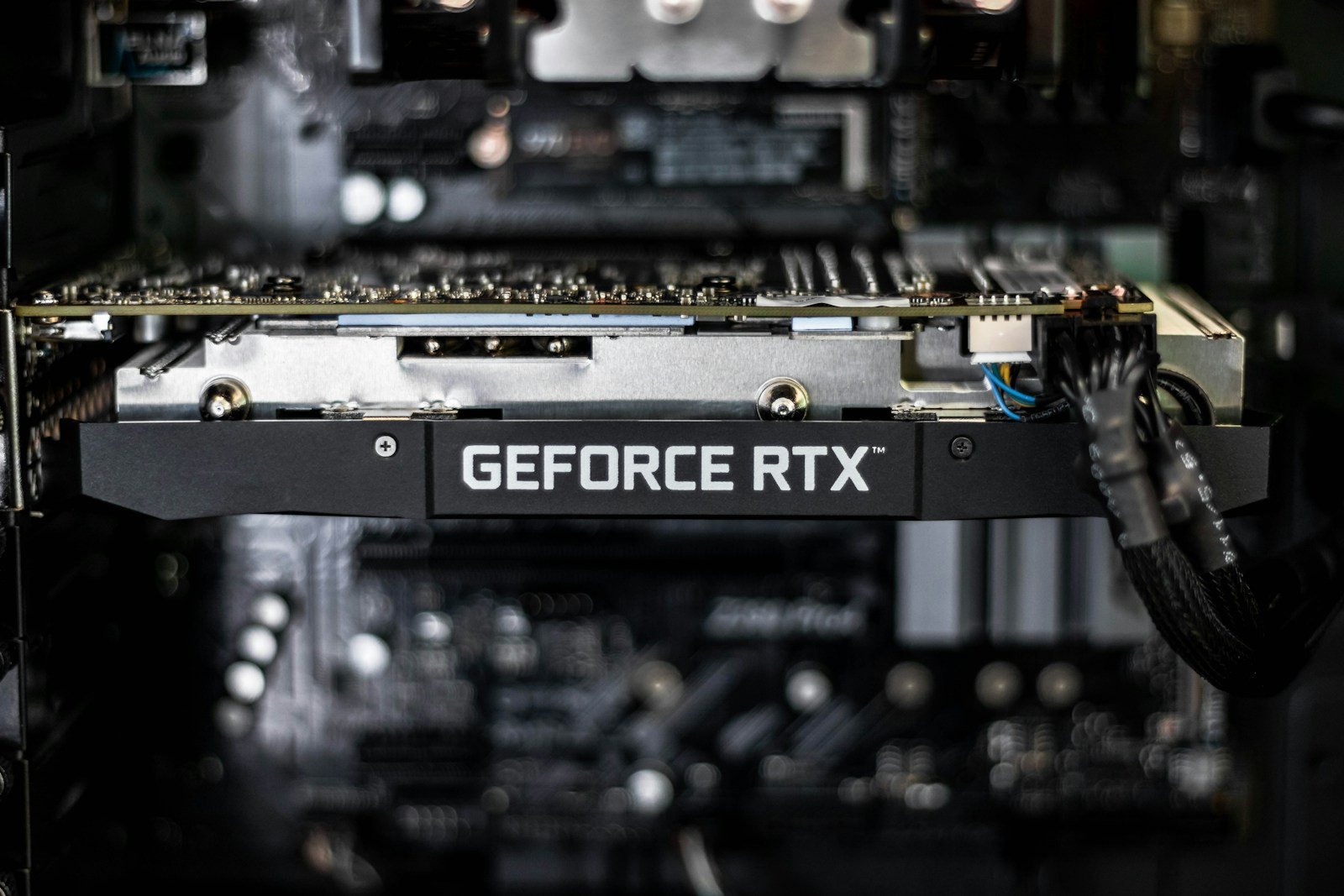

Guide Is 960M Good For Gaming In 2026 Gaming Monitor Guide 2026. Guide Is 960M Good For Gaming In 2026 NVIDIA RTX 2060 For 2024 . Guide Is 960M Good For Gaming In 2026 Best RAM For Gaming 1024x576 . How Good Is The RTX 2060 In 2026 9meters 3guw88trmv8 . MSI RTX 2060 Gaming Z Review Top Range RTX 2060 YouTube
#2 Gallery is 2060 good for gaming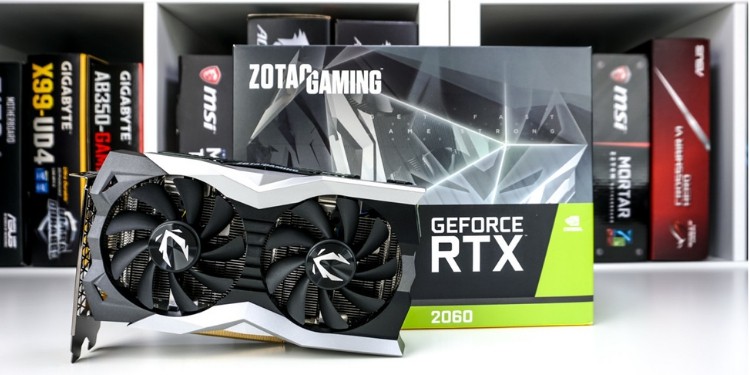


Best RTX 2060 Graphics Card 2026 Our Top Picks PC Guide Best Rtx 2060 . Guide Is 960M Good For Gaming In 2026 Is 16gb Ram Good For Gaming.webp. The RTX 2060 6GB Gaming Performance In 2024 Zotac YouTube . 7 Best RTX 2060 Graphics Cards Reviewed Oct 2022 Best RTX 2060 Graphics Cards For Gaming Builds In 2022 . NVIDIA GeForce RTX 2060 Review Is It Still Worth It NVIDIA RTX 2060 Review
#3 Gallery is 2060 good for gaming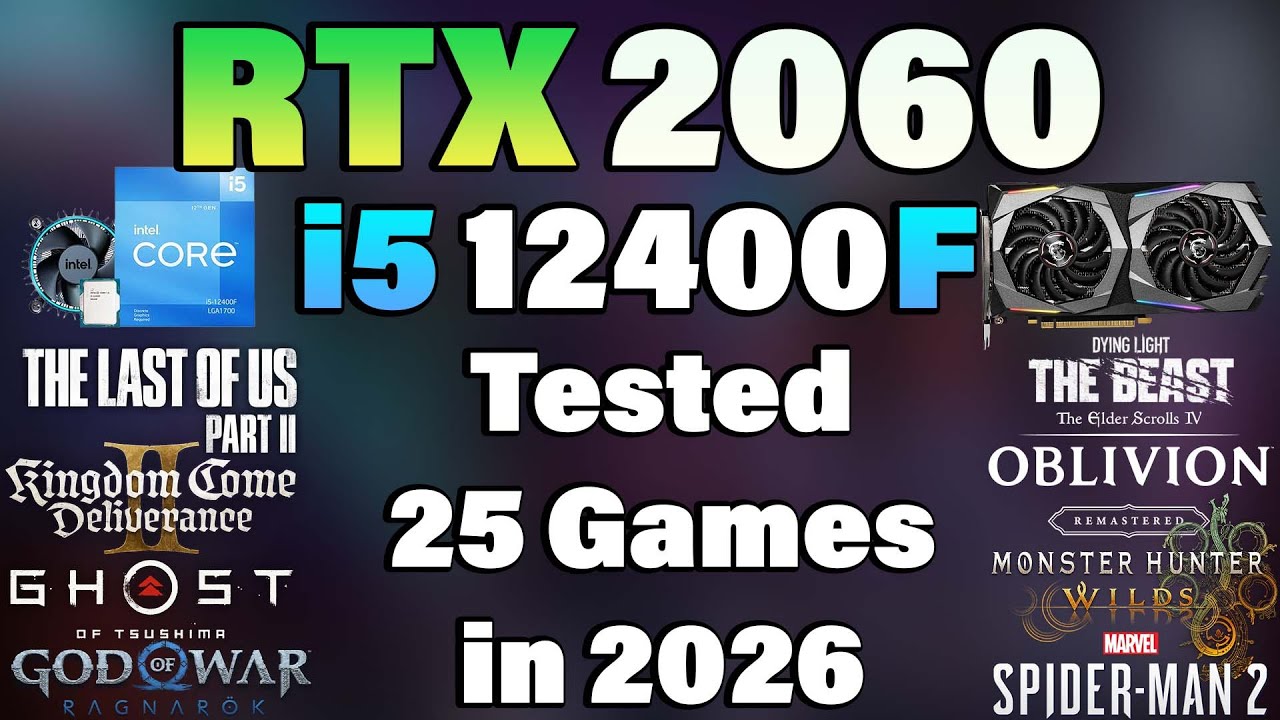
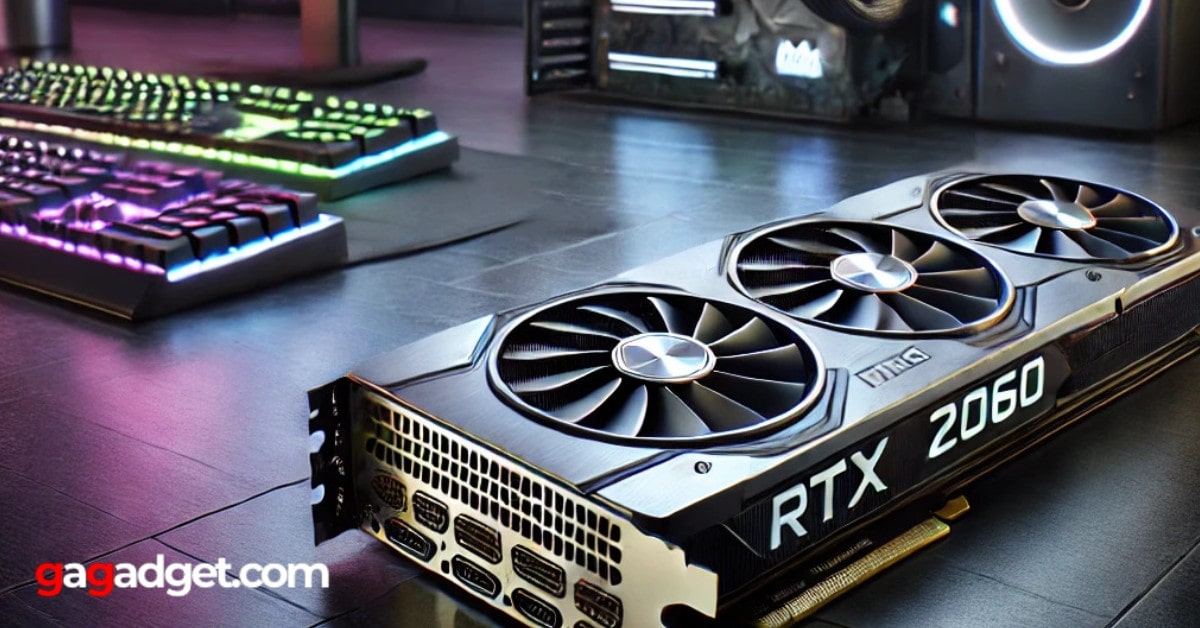
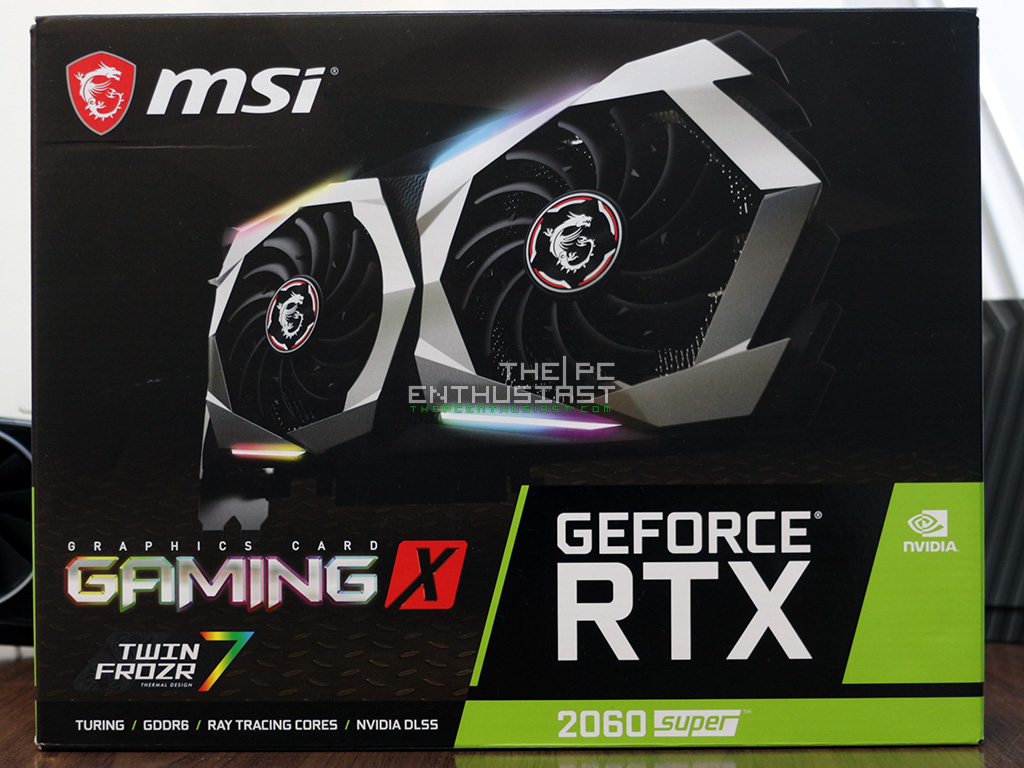
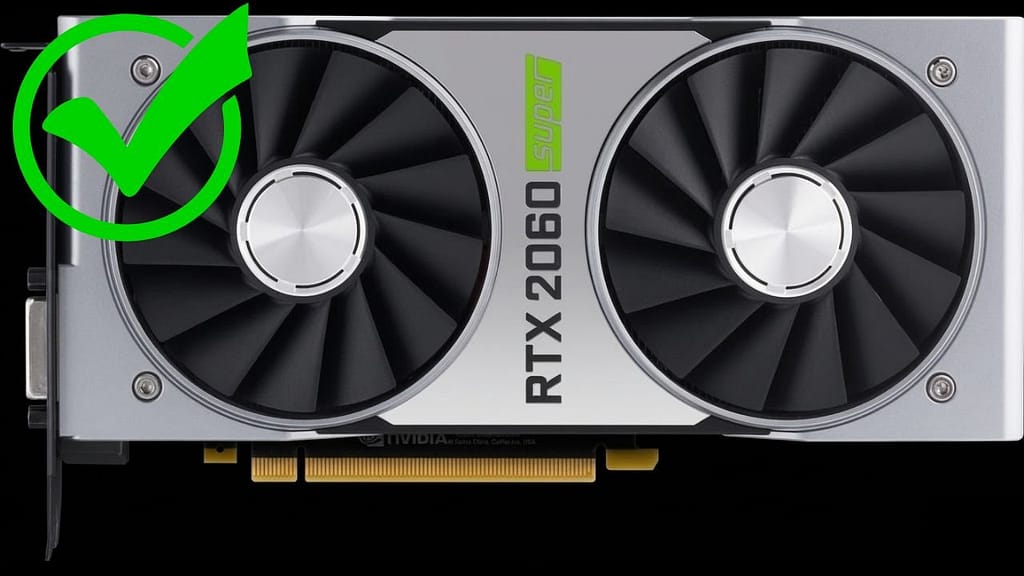
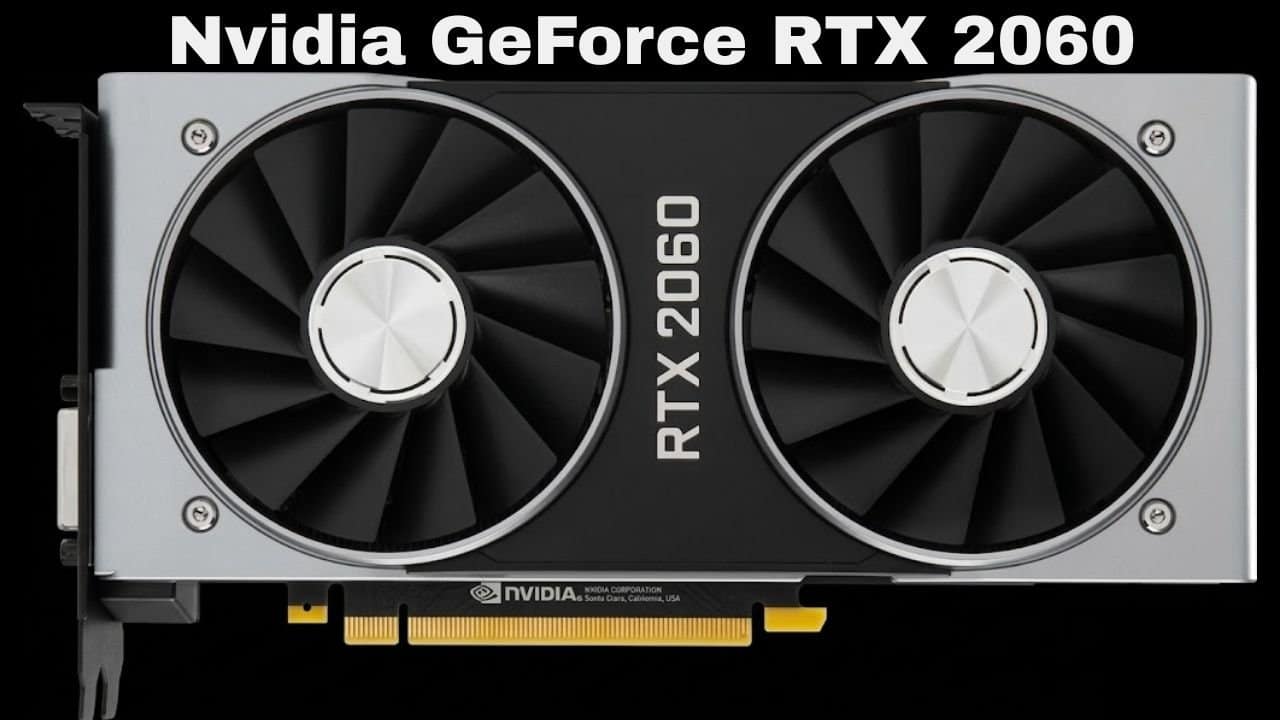
RTX 2060 I5 12400F Tested 25 Games In 2026 RTX 2060 Gaming Test . 7 Best RTX 2060 Cards In 2026 RTX 2060 Graphics Card Comparison And Best Rtx 2060 Cards 1 Min . MSI GeForce RTX 2060 Super Gaming X Review Faster Than GTX 1080 MSI GeForce RTX 2060 Super Gaming X Review 01 . Nvidia GeForce RTX 2060 Super Review Is It Worth Buying Nvidia GeForce RTX 2060 Super 13 . Nvidia GeForce RTX 2060 Review Is It Worth Buying Nvidia GeForce RTX 2060
#4 Gallery is 2060 good for gaming


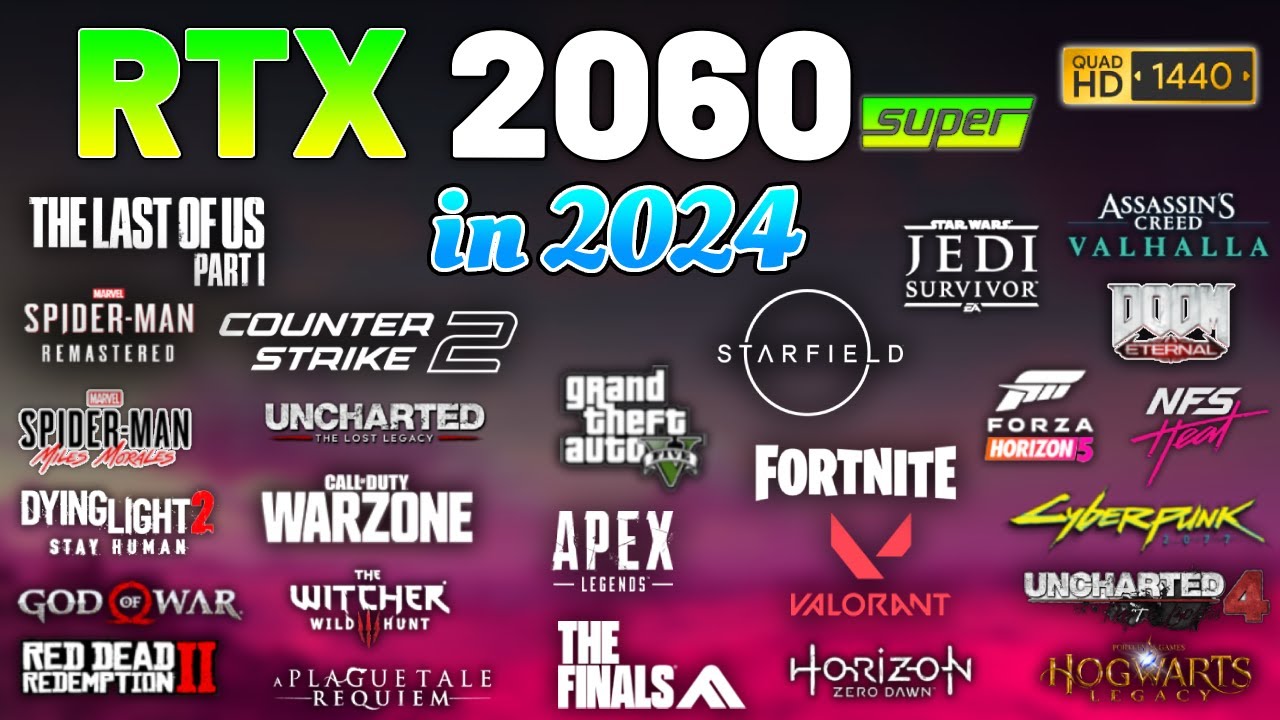
9 RTX 2060 Super 2026 Ratingpc Ru Https Avatars Mds Yandex Net Get Mpic 5304975 Im . How Good Is RTX 2060 Super For Gaming In 2024 Playing Indiana Jones . Nvidia RTX 3060 Vs Nvidia RTX 2060 A Good Leap PC Guide AC SL1500 . RTX 2060 Ryzen 5 5500 Test In 18 Games Is It Good In 2026 YouTube . RTX 2060 SUPER 8GB 26 Games Tested Is It Still Good For 2024 YouTube
#5 Gallery is 2060 good for gaming


Best Graphics Cards GPUs For Streaming Video 2026 Graphics Cards . 7 Best Graphics Cards For I7 3770 Gaming In 2026 Top Gpus For I7 3770 . GPU Hierarchy In 2026 Explained The Ultimate Graphic Card Tier List Nvidia Rtx 2060 . Is Nvidia RTX 2060 Super Good For Gaming In 2022 Era20Tech Gigabyte GeForce RTX 2060 Super On A Grey Background 800x445 . RTX 2060 Vs RTX 3060 Test In 10 Games
#6 Gallery is 2060 good for gaming

Should You Upgrade Your GPU In 2026 GTX 1080 Ti Vs RTX 2060 Super Vs Media. RTX 2060 6GB Test In 50 Games In 2026 YouTube . RTX 2060 SUPER Still Good For Competitive Games 1080 2K YouTube . RTX 2060 Review Specs Performance Buying Guide 2026 Rtx 2060 3 480x225 . RTX 2060 In End Of 2025 Test In 29 Games Still A Good Budget Gpu
#7 Gallery is 2060 good for gaming


Gigabyte GAMING OC GeForce RTX 2060 Jawa. RTX 2060 Test In 15 Games In 2026 YouTube . NVIDIA GeForce RTX 2060 6GB Benchmarks Review 2026 Swift Techy Rtx 2060 6gb.webp. Best Monitors For RTX 2060 In 2026 New Compatible Models WhalesDev Rtx 2060 Serve The Home 768x576 . RTX 2060 Super In 2025 Still Worth It For Budget 1080p Gaming YouTube