Navigating the evolving landscape of gaming media can be a game in itself. For indie developers, content creators, and even passionate community members, understanding how major cultural institutions like Rolling Stone engage with the gaming world, often facilitated by professional tools like Muckrack, is crucial. This article provides a comprehensive guide for US gamers and industry hopefuls looking to get their stories heard, their games seen, or simply to understand the behind-the-scenes of gaming journalism. We will explore practical strategies for leveraging platforms like Muckrack to connect with journalists at prestigious publications, ensuring your gaming narrative cuts through the noise. Discover current trends in gaming media, learn how to craft compelling pitches, and find budget-friendly alternatives to maximize your outreach efforts in 2026. This is your essential resource for turning your gaming passion into influential media coverage. Learn why the intersection of Rolling Stone and Muckrack is more relevant to your gaming journey than ever before, offering pathways to visibility and impact in a competitive industry.
What is Rolling Stone's current involvement in gaming media?
Rolling Stone has significantly expanded its gaming coverage, moving beyond traditional music and pop culture to embrace the vast and influential world of video games. They feature reviews, cultural analyses, interviews with developers and streamers, and explore the broader impact of gaming on society. This reflects gaming's central role in modern culture and appeals to their diverse readership, including a large demographic of adult gamers.
How can I find gaming journalists on Muckrack?
To find gaming journalists on Muckrack, use its search filters to narrow down by beat, publication (e.g., Rolling Stone, IGN, Polygon), and keywords like "video games," "esports," "indie games," or specific genres. Review their recent articles and social media profiles to ensure their current focus aligns with your pitch, helping you target the right contacts efficiently.
Is Muckrack worth it for an indie game developer with limited resources?
Muckrack offers powerful tools for media outreach, but its cost can be prohibitive for solo indie developers. For those with limited resources, it might be more strategic to leverage free alternatives like Twitter, LinkedIn, HARO, and community-shared press lists. If your budget allows for a short-term subscription or specific project, its efficiency can be valuable.
What are the biggest challenges for indie devs getting Rolling Stone coverage?
The biggest challenges for indie developers seeking Rolling Stone coverage include cutting through the immense volume of daily pitches, demonstrating unique cultural relevance beyond just gameplay, and identifying the specific journalists within Rolling Stone who cover gaming. Personalized, concise pitches highlighting innovation or human-interest stories are crucial for standing out to such a prominent publication.
How do current gaming trends impact media outreach for "rolling stone muckrack"?
Current gaming trends, such as the rise of mobile cross-play, social and cozy games, and increased focus on accessibility, heavily influence what gaming journalists cover. Leveraging these trends in your "rolling stone muckrack" outreach by highlighting how your game or story aligns with them can significantly increase your chances of securing media attention. Journalists seek stories that resonate with broad, current audiences.
What kind of press kit is best for pitching through Muckrack?
The best press kit for pitching through Muckrack is a concise, well-organized online resource. It should include high-resolution screenshots, trailers, a clear game description, a fact sheet, developer bios, and contact information. Ensure it's easily accessible via a single link and optimized for quick consumption, making it simple for journalists to gather information for their stories.
How long should I wait before following up on a pitch sent via Muckrack?
For a pitch sent via Muckrack, it's generally best to wait about 3-5 business days before sending a polite follow-up. Keep the follow-up brief, reiterate your key message, and offer any additional information or assets. Journalists are busy, so a single, timely follow-up is appropriate; avoid aggressive or frequent messages that could be perceived as spam.
Ever felt like your amazing game idea or insightful gaming content is just a whisper in a hurricane? You spend countless hours perfecting your pixel art, refining your combat mechanics, or crafting that perfect stream, only to wonder how to get it noticed. In today's hyper-connected, yet incredibly noisy, digital world, getting media attention for your gaming projects can feel like a boss battle without a health bar. But what if there was a way to strategically connect with the very journalists and publications that can elevate your voice, including iconic names like Rolling Stone?
You're not alone in this challenge. Over 87% of US gamers play regularly, often balancing their passion with jobs and family, dedicating 10+ hours a week to gaming. Many are also creators, streamers, or indie developers seeking recognition. They value authenticity and tangible results, not just hype. That's where understanding "Rolling Stone Muckrack" comes in. This isn't about some secret cheat code; it's about navigating the professional tools and pathways that connect content creators and game developers with the journalists who shape public opinion and celebrate gaming culture. We're talking about leveraging a powerful media database like Muckrack to reach influential outlets, including those increasingly covering gaming like Rolling Stone. This guide will cut through the jargon and provide practical, actionable advice for busy gamers looking to make a real impact, whether you're pitching your next indie hit, a community initiative, or just aiming to understand how the gaming media ecosystem truly works in 2026.
What Does "Rolling Stone Muckrack" Mean for Today's Gamer and Creator?
When we talk about "Rolling Stone Muckrack" in a gaming context, we're not referring to a specific game or a new Rolling Stone sub-brand. Instead, it represents the strategic intersection of a globally recognized cultural publication, Rolling Stone, which has significantly expanded its gaming coverage, and a powerful media relations platform, Muckrack. For gamers who are also developers, content creators, or community organizers, this means understanding how to use professional tools to connect with the right journalists at the right time. Muckrack is a database that helps identify reporters, track their beats, and manage outreach, making it invaluable for anyone seeking media attention for their gaming projects or stories. Rolling Stone's commitment to covering gaming, from reviews to cultural critiques, makes it a prime target for effective media outreach.
Why Should Gamers and Indie Devs Care About Professional Media Outreach?
In a gaming market saturated with thousands of new releases yearly and millions of pieces of content, visibility is paramount. Professional media outreach isn't just for big publishers anymore; it's a vital strategy for anyone looking to stand out. For indie developers, a single feature in an influential publication like Rolling Stone, even if it's their gaming section, can be the difference between obscurity and viral success. For content creators, it can lead to massive audience growth and new opportunities. This proactive approach helps cut through the digital noise, securing legitimate coverage that builds credibility and reaches a broad, engaged audience beyond your immediate followers. Gamers often balance tight budgets and limited time, so targeted, efficient outreach is a smart investment.
How Can Indie Developers Effectively Use Muckrack to Reach Gaming Journalists?
Muckrack is a professional tool designed to streamline media relations. For indie developers, using it effectively requires a clear strategy:
Identify Your Targets: Search for journalists who specifically cover gaming. Look at their past articles, their social media activity, and their beats. Do they focus on indie games, specific genres, or cultural aspects? Understanding their niche is key.
Craft Personalized Pitches: Generic pitches rarely land. Reference a specific article they wrote, explain why your game or story is a perfect fit for their interests, and highlight what makes your project unique. Gamers appreciate authenticity, and so do journalists.
Research Thoroughly: Muckrack provides contact details and media lists. Before reaching out, explore the journalist's recent work to ensure your story aligns with their current focus. Avoid pitching a mobile game to someone who only covers console esports.
Track and Follow Up: Muckrack allows you to manage your outreach, track open rates, and schedule follow-ups. A polite, timely follow-up can often turn an ignored email into a conversation. Remember, journalists are busy, often working 10+ hours a day like many gamers balancing life.
What Makes a Gaming Story Newsworthy for Publications like Rolling Stone?
Getting noticed by a publication with the prestige of Rolling Stone requires more than just a good game; it requires a compelling story. In 2026, journalists are looking for narratives that resonate with a broad audience and tap into current cultural conversations. Consider these angles:
Unique Cultural Impact: Does your game challenge norms, represent underrepresented communities, or spark important discussions? Rolling Stone is known for its cultural commentary.
Innovation and Trends: Is your game pushing boundaries in VR, AI integration, accessibility, or narrative design? Does it tap into popular trends like cozy gaming, social multiplayer, or F2P models that are currently dominating the market?
Human Interest: What's the story behind the developers? A compelling personal journey, overcoming obstacles, or a unique development philosophy can be highly engaging.
Timeliness: Is there a current event or trend your game or story relates to? For instance, with mobile gaming dominating playtime, a unique mobile title has inherent relevance.
Visual Appeal: High-quality screenshots, captivating trailers, and engaging art assets are crucial. Journalists need strong visuals to tell your story effectively.
Tips for Crafting a Pitch that Lands in a Journalist's Inbox
Your pitch is your first impression. Make it count. Here are key tips:
Keep it Concise: Journalists scan emails. Get to the point quickly. A killer subject line (e.g., "Indie Game Blends Cozy Farming with Roguelike Challenge") is essential.
Personalize Always: Address the journalist by name and reference something specific they've covered. "I loved your piece on the rise of social gaming, which is why I think our new cross-play title, 'Galactic Homesteaders,' would be a great fit for your readers."
Highlight the Hook: What's the most exciting, unique, or newsworthy aspect of your story? Lead with that. Don't bury the lede.
Provide Necessary Assets: Include a link to your press kit (with high-res images, trailers, game info, and developer bios). Make it easy for them to find everything they need.
Offer Exclusivity (if applicable): Sometimes, offering a journalist an exclusive preview or interview can significantly increase your chances of coverage.
Proofread Rigorously: Typos and grammatical errors instantly diminish credibility. Gamers value attention to detail, and so do professional writers.
How Do Gamers Balance Media Aspirations with Their Daily Lives?
Many gamers, especially those around age 36, are juggling jobs, families, and life responsibilities. Adding media outreach to that can feel overwhelming. The key is efficiency and smart scheduling.
Allocate Dedicated Time: Set aside specific, focused blocks for PR tasks, just like you would for a gaming session or work project. Even 30 minutes a few times a week can yield results.
Automate Where Possible: Use tools (like Muckrack's tracking features) to streamline your process. Create pitch templates you can quickly customize.
Batch Tasks: Instead of sending one pitch at a time, research several journalists, draft multiple personalized emails, and send them out in one go. This conserves mental energy.
Prioritize: Not every publication is a fit. Focus your efforts on the most relevant journalists and outlets that genuinely align with your project and target audience. Quality over quantity is crucial when time is limited.
Leverage Community: Join indie developer or content creator communities. Share insights, get feedback on pitches, and learn from others' experiences. Social gaming isn't just about playing; it's about connecting and supporting.
Are There Budget-Friendly Alternatives to Muckrack for Gaming PR?
While Muckrack is a robust tool, its professional pricing can be steep for solo indie developers or small teams. Thankfully, several budget-friendly alternatives and strategies exist:
Twitter & LinkedIn: Many journalists are active on these platforms. Follow their work, engage thoughtfully, and sometimes a direct, concise message can initiate a connection. Be respectful of their time and space.
HARO (Help A Reporter Out): This free service sends out daily emails with journalists' requests for sources. Keep an eye out for gaming-related queries and offer your expertise.
Manual Research: This is time-consuming but free. Browse gaming news sites (including Rolling Stone's gaming section), identify relevant writers, and find their contact info on their publication's masthead or personal websites.
Indie Game Press Lists: Many communities compile lists of journalists who cover indie games. Utilize these shared resources.
Game PR Agencies: If budget allows, even a small retainer with a specialized gaming PR agency can offer immense value. They already have the contacts and expertise.
Network at Events (Online & In-Person): Virtual expos, Discord servers, and local meetups are great places to connect with media and fellow creators without a large budget.
What Are the Current Trends in Gaming Journalism to Leverage in 2026?
Staying current is crucial for effective media outreach. Here are some trends shaping gaming journalism in 2026 that you can leverage:
Cross-Platform & Mobile Dominance: With mobile gaming continuing to dominate engagement and revenue, stories about innovative mobile titles or seamless cross-play experiences are highly sought after. Roughly 60% of US gamers play on mobile devices regularly.
Social Gaming & Community Focus: The rise of social deduction, cooperative, and cozy games (think Animal Crossing, Among Us, Palia) means journalists are keenly interested in titles that foster strong communities and social interaction, often integrated with platforms like Discord.
Accessibility & Inclusivity: Games designed with robust accessibility options or featuring diverse narratives and characters are increasingly celebrated and covered. This aligns with a broader cultural shift towards inclusivity.
Sustainability & Ethics in Gaming: From environmentally conscious game design to ethical practices within studios, journalists are exploring the broader impact of the gaming industry.
Creator Economy Influence: The intersection of gaming and streamers/content creators is a massive story. How does your game empower creators? How do creators influence game development or community? These are compelling angles.
Live Service Evolution: With many games adopting live service models, stories about ongoing content, community engagement, and long-term player retention are relevant. Gamers want value for money and sustained fun.
The world of gaming media can seem daunting, but by understanding the tools and strategies employed by industry professionals, you can significantly boost your chances of getting noticed. "Rolling Stone Muckrack" represents a powerful pathway to visibility, allowing you to connect your passion with the platforms that can amplify it. Remember, it's about crafting a compelling story, targeting the right journalists, and engaging authentically. With dedication and smart tactics, your game or content can break through the noise and reach the audience it deserves.
What's your biggest gaming challenge when it comes to getting noticed? Comment below!
FAQ Section
What is Muckrack and how does it help game developers?
Muckrack is a media database and monitoring platform that helps game developers find journalists, track their coverage, and manage their media outreach efforts. It provides contact information and insights into what reporters write about, streamlining the process of getting press for their games.
Why is Rolling Stone covering more gaming content now?
Rolling Stone, like many cultural publications, recognizes the immense cultural and economic impact of gaming. It's a dominant form of entertainment and artistic expression for a significant portion of their readership, making comprehensive gaming coverage a necessity to stay relevant and engage a broad audience, including the average 36-year-old gamer.
Can I use Muckrack if I have a small indie game budget?
While Muckrack can be a paid professional tool, indie developers on a tight budget can use free alternatives like manual research on social media (Twitter, LinkedIn), utilizing HARO (Help A Reporter Out), or joining indie dev communities for shared media lists. These require more time but yield similar connection opportunities.
What kind of gaming stories do journalists at top-tier publications look for?
Top-tier publications seek unique, culturally relevant, or innovative gaming stories. This includes games with compelling narratives, social impact, groundbreaking mechanics, strong community focus, or those that tap into current trends like accessibility, sustainability, or the creator economy. Human-interest stories behind the developers are also highly valued.
Understanding Rolling Stone's growing gaming coverage, leveraging Muckrack for gaming PR, effective pitching to gaming journalists, current trends in gaming media, balancing outreach with daily gaming life, budget-friendly PR tools for indie devs, and maximizing visibility in 2026's competitive gaming landscape.
35



Rolling Stones Tour 2026 Tour Dates Setlist Presale Tickets Rolling Stones Tour 2026 Dates . Ladies MICK JAGGER And Other Members Of The Rolling Stones Officially Media. The Rolling Stones Scrapped Their 2026 Tour Now What Rolling Stones Future Plans . Rolling Stones One Last Ride Tour 2026 Dates Setlist Presale Rolling Stones 2026 One Last Ride Tour Dates And Schedule . Rock History Reborn Rush And The Rolling Stones Announce A 2026 Mega File 2



Muck Rack Rolling Stone All Access The Latin Artists We Re Rooting . 2026 Rolling Stones Mit Den Stones Durchs Jahr 2026rolling Stones 1623133 . One Last Ride Tour 2026 Setlist Tickets Dates And Venues Rolling Stones Tour 2026. The Rolling Stones Cancel 2026 Tour Full Details Inside The Rolling Stones Cancel 2026 Tour 1536x864 . Rolling Stones Tour 2026 Gibt Es Doch Noch Hoffnung Gettyimages 1663619617 Scaled


The Rolling Stones Scrapped Their 2026 Tour Now What Deutschland The Rolling Stones Cancel Planned 2026 Stadium Tou The Rolling Stones Cancel Planned 2026 Stadium Tou. The Rolling Stones Schrappen Plannen Voor Tournee In 2026 Arena 0707 3944OOR . The Rolling Stones Gira Europea En 2026 Rolling Stones Rumores Tour 2026 . Society The Rolling Stones Have Reportedly Scrapped Their 2026 Tour Media. The Rolling Stones 2026 Media




Rolling Stones Concert 2026 Full Breakdown Of Tour Status Band Rolling Stones Concert 2026 696x402 . The Rolling Stones 2026 Calendar Mick Jagger Keith Richards Ron Uk . Rolling Stones Tour 2026 Gibt Es Doch Noch Hoffnung Attachment. March 2026 Rolling Stone R1410 COV Future Of Music Lola Young . Rolling Stones 2026 Square Calendar CDON 215357038 391115412 11450 3 Xtra


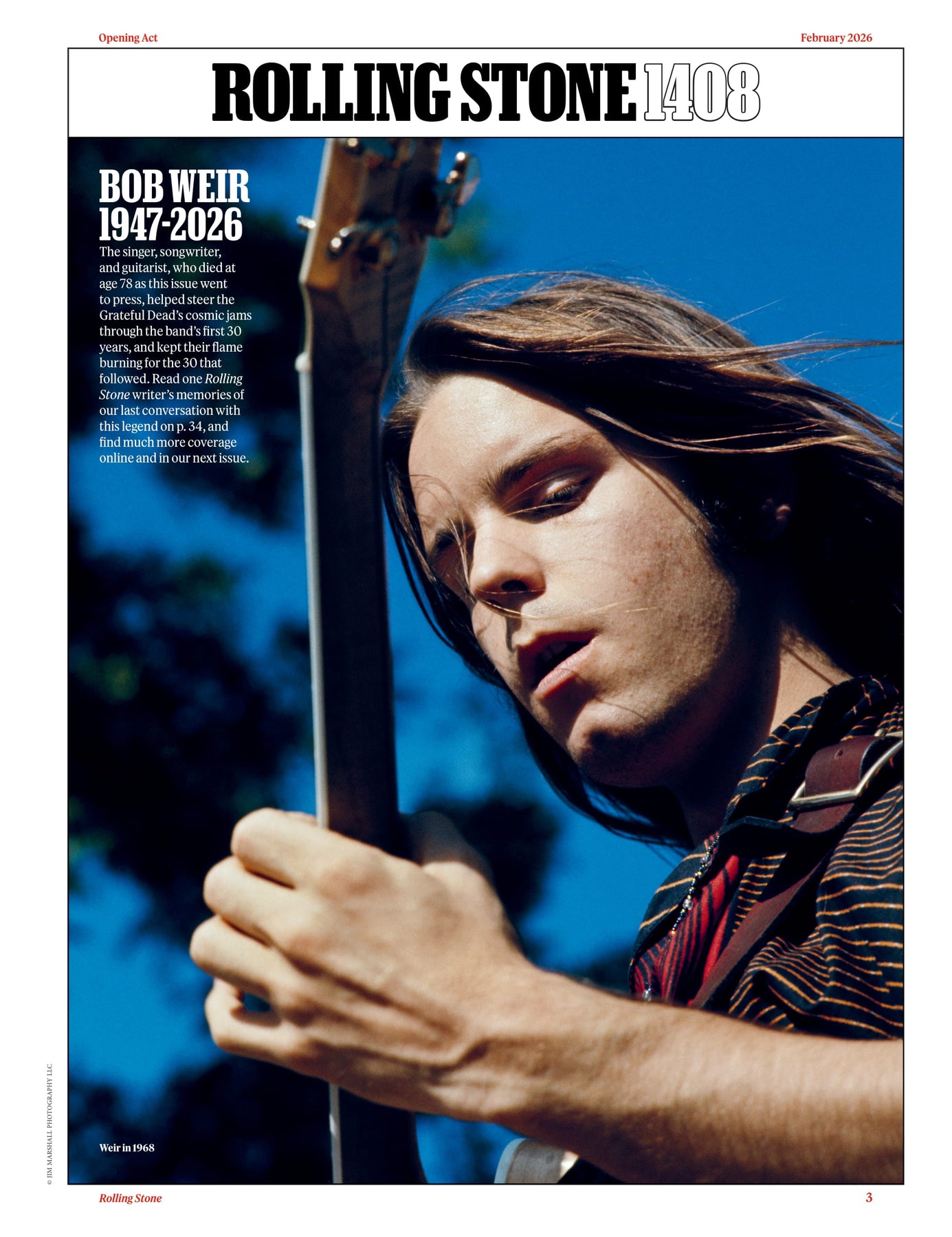
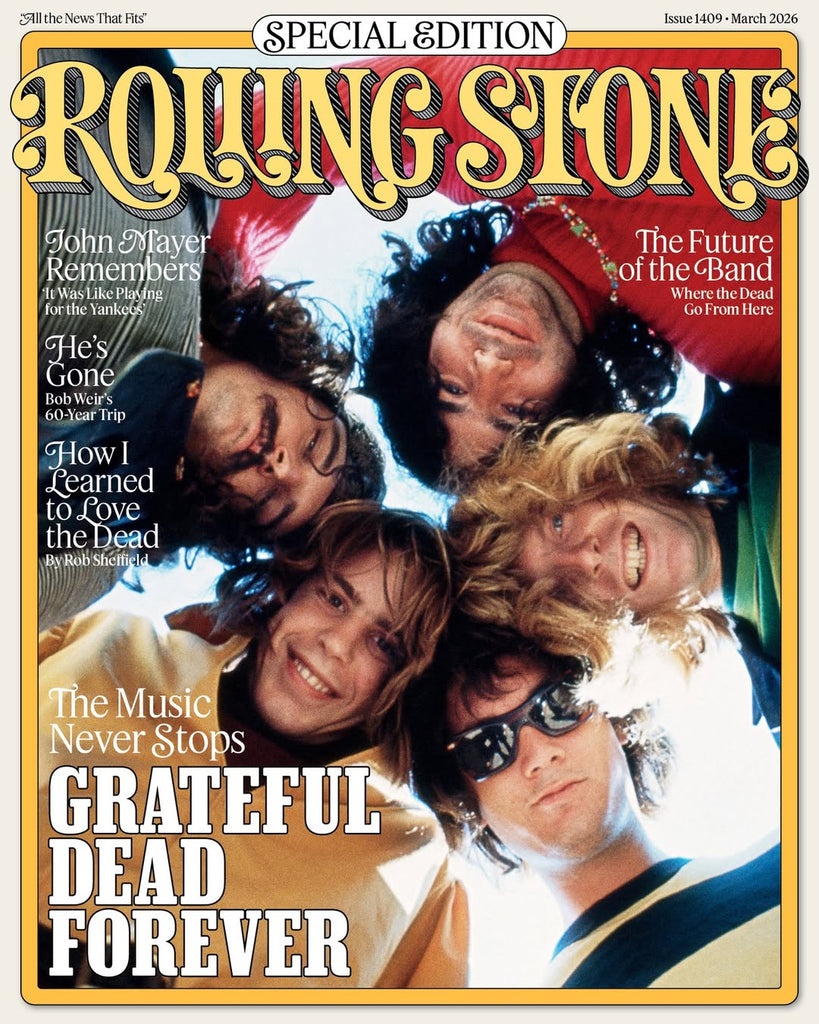
THE ROLLING STONES CANCEL 2026 UK EUROPE TOUR Mick Jagger S 577062184 N 768x1053 . Lyrical BREAKING NEWS The Rolling Stones Announce 2026 Farewell Media. ROLLING STONE UK Magazine Dec Jan 2026 YUNGBLUD X AEROSMITH 7d0a0a56 811d 44b0 B5dc. Rolling Stone February 2026 Travis Scott Beyond Utopia Remembering 202602033 1 1800x1800 . ROLLING STONE MAGAZINE March 2026 Grateful Dead Forever Special Ed 1024x1024
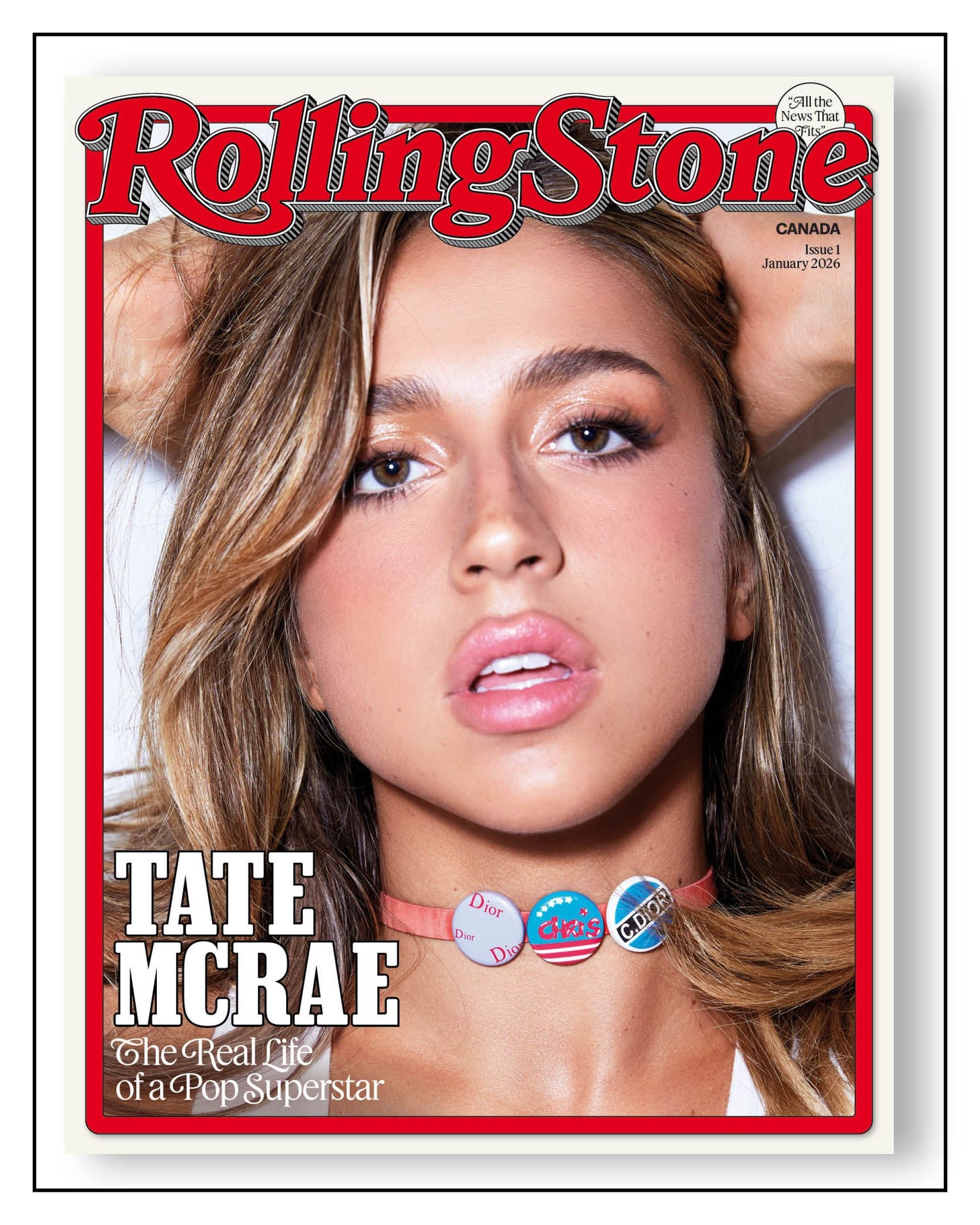


Rolling Stone Rock Trivia 2026 Desk Calendar Calendars Com 8b22a0ca D9b9 4128 894a. Palomosa Reveals Its 2026 Lineup Rolling Stone Canada Image . Neu Im April 2026 ROLLING STONE Vinyl Rolling Stone Rs 0224 768x997 . Sanremo 2026 Ecco Il Programma Di Rolling Stone Rolling Stone Italia Dfc3b27d B207 4f55 81b4 1082x765 . Neu Im April 2026 ROLLING STONE Vinyl Rolling Stone 2025 12 12 Um


The Rolling Stones The Final Rolling The Rolling Stones Announce Media. ROLLING STONE UK Magazine Dec Jan 2026 Myles Smith Winner. 8b273184 D87c 44b1 9b99 1024x1024 . Rolling Stones Band Geht 2026 Wohl Nicht Auf Tournee GALA De 16 Band Geht 2026 Wohl Nicht Auf Tournee 3 2 Spoton Article 1126159 . Month To View Calendar Grupo Erik Wall Calendar 2026 The Rolling 4784845944 0 . LOS ROLLING STONES VOLVER N A LA CARRETERA EN 2026 PyD T222.webp