Navigating the choice between a gaming laptop and a dedicated desktop PC can feel overwhelming especially for busy US gamers balancing life work and play. This comprehensive guide cuts through the confusion offering clear insights into performance portability upgradeability and value. We explore which setup truly aligns with your gaming habits budget and lifestyle whether you are a casual player enjoying cozy games a competitive esports enthusiast or someone who loves social gaming with friends. Discover practical advice on optimizing your experience managing upgrades and making the smartest investment for your entertainment in 2026. This article is packed with the latest trends and essential information to help you decide between the flexibility of a high-powered gaming laptop and the raw customizable might of a desktop PC ensuring your gaming rig enhances your relaxation fun and skill building.
How can I optimize my gaming laptop for better performance?
Optimizing your gaming laptop involves several key steps. First ensure your drivers especially for the GPU are always up to date. Nvidia and AMD regularly release performance-boosting updates. Second manage your power settings; set your laptop to 'High Performance' when gaming. Third control background applications to free up RAM and CPU cycles. Fourth regularly clean your laptop's fans and vents to improve airflow and prevent thermal throttling. Consider an external cooling pad for sustained sessions. Finally keep your storage defragmented if using an HDD or ensure your SSD has sufficient free space for optimal operation. These steps can significantly boost frame rates.
What specific components should I prioritize when building a budget gaming PC?
When building a budget gaming PC prioritize the Graphics Card (GPU) as it's the primary component for gaming performance. Aim for the best GPU you can afford within your budget. Next focus on a capable CPU often a mid-range Intel i5 or AMD Ryzen 5 is sufficient. Ensure you have at least 16GB of RAM as this is becoming standard for modern games. A fast SSD NVMe if possible for your operating system and primary games is crucial for quick load times. Skimping on the power supply unit (PSU) is not advisable; get a reputable brand with enough wattage. Finally choose an affordable but well-ventilated case to keep your components cool.
Are gaming laptops suitable for content creation and streaming?
Yes gaming laptops are increasingly suitable for content creation and streaming thanks to powerful multi-core processors and efficient GPUs. Modern laptops can handle tasks like video editing 3D rendering and live streaming quite well. However they might not offer the same sustained performance as a desktop due to thermal limitations. For serious creators or those streaming at high bitrates with multiple overlays a desktop still provides more power and flexibility with upgrades. For casual streaming and content creation on the go a gaming laptop is an excellent portable solution.
How do I balance gaming time with my work and family commitments?
Balancing gaming with life requires intentional planning and communication. Set specific gaming times and stick to them treating them like any other appointment. Communicate your gaming schedule with family members to avoid conflicts. Prioritize shorter gaming sessions with quick-to-start games or cozy titles that allow for easy pausing. Utilize features like sleep mode on your PC or laptop to quickly jump back into a game. Remember gaming is for relaxation so ensure it doesn't add stress. Consider co-op games to engage with family or friends making it a shared activity rather than an isolated one.
What are the best games for short play sessions on either platform?
For gamers with limited time look for titles that offer quick engagement or easy save points. Indie roguelikes like Hades or Dead Cells are perfect for short bursts. Competitive multiplayer games such as Rocket League or Valorant offer satisfying rounds within 15-30 minutes. Cozy games like Stardew Valley or Animal Crossing New Horizons (via emulation or cross-play) allow for short relaxing sessions without intense commitment. Free-to-play options like Fortnite or Apex Legends also fit the bill for quick fun. These games provide immediate gratification allowing you to enjoy your hobby without dedicating hours at a time.
When is it worth upgrading an older gaming PC instead of buying new?
Upgrading an older gaming PC is worth it when your current CPU and motherboard are still relatively capable and your primary bottleneck is the GPU or RAM. If your PC has an older mid-range CPU that can still handle modern games but struggles with frame rates a GPU upgrade can provide a significant boost. Adding more RAM up to 16GB or 32GB is also a cost-effective upgrade. However if your CPU is very old and your motherboard uses an outdated socket upgrading might require a new CPU motherboard and RAM making a new build or pre-built PC a more sensible financial decision. Assess your current components and compare upgrade costs to a new system.
What peripherals are essential for both gaming laptop and PC setups?
For both gaming laptop and PC setups certain peripherals are essential to enhance your experience. A quality gaming mouse offers precision and comfort crucial for fast-paced games. A mechanical or highly responsive keyboard provides tactile feedback and durability. While laptops have integrated screens an external high-refresh-rate monitor significantly improves visual fluidity. A comfortable gaming headset with a clear microphone is vital for immersive audio and effective communication in social gaming. Additionally an ergonomic chair and a spacious mousepad contribute significantly to comfort during long gaming sessions preventing strain and improving overall enjoyment.
Choosing your next gaming rig feels like a monumental decision doesn't it? For many US gamers averaging around 36 years old and often juggling jobs families and other commitments the quest for the perfect setup isn't just about raw power; it's about finding that sweet spot between relaxation skill-building social play and practical living. You want something that delivers thrilling performance without demanding hours of setup or breaking the bank when an upgrade is due. This monthly 2026 guide dives deep into the age-old debate: gaming laptops vs desktop PCs. Which one truly suits your lifestyle and budget?
You might be wondering if a compact gaming laptop can really stack up against a custom-built PC or if that beastly desktop is overkill for your limited gaming time. With approximately 87 percent of US gamers regularly engaging in gaming and many logging 10 plus hours a week the need for a reliable and efficient setup is more critical than ever. We'll cut through the hype providing clear actionable insights to help you make an informed decision optimize your gaming experience and keep you current with the latest trends like social gaming and mobile cross-play without the usual tech jargon.
Which offers better performance for the money gaming laptops or PCs?
When it comes to raw performance per dollar desktop PCs generally hold a significant advantage. Desktops can house larger more powerful components like full-sized GPUs and CPUs which benefit from superior cooling systems allowing them to run at higher clock speeds for longer periods. This translates to higher frame rates better graphical fidelity and smoother gameplay especially in demanding AAA titles or for competitive esports. For instance a 2000 gaming PC build will typically outperform a 2000 gaming laptop in benchmark tests by a noticeable margin offering more frames per second and better thermal stability. This raw power is crucial for gamers who prioritize peak performance and graphical immersion above all else.
Gaming laptops on the other hand pack impressive hardware into a portable chassis but often come with a premium price tag for their miniaturization and integrated design. Their components are typically mobile versions of desktop parts which are designed for lower power consumption and heat output meaning a slight reduction in peak performance compared to their desktop counterparts. While a top-tier gaming laptop can certainly run any modern game smoothly you'll often pay more for comparable performance to a desktop. The value proposition shifts if portability is your absolute top priority as the ability to game anywhere can justify the higher cost per frame.
How does portability impact the gaming experience for busy adults?
For US gamers balancing a career family and personal life portability can be a game-changer. A gaming laptop allows you to take your entire setup from your home office to the living room or even on a business trip without hassle. This flexibility means you can squeeze in a quick gaming session during a lunch break join friends for social gaming on Discord from a coffee shop or unwind with a cozy game after putting the kids to bed. The convenience of an all-in-one unit ready to go with minimal setup is incredibly appealing to those with limited free time. You simply open the lid and you are ready to play unlike a desktop which is tethered to a single location.
However desktop PCs lack this inherent portability. Once set up they typically stay put. This can be a pro for dedicated gamers who prefer a consistent gaming environment with multiple monitors and ergonomic peripherals. A fixed setup might lead to fewer distractions and a more immersive experience but it also means sacrificing the ability to game outside that dedicated space. For gamers whose primary relaxation comes from gaming at home after a long day a desktop's immobility might not be a significant drawback. The decision here boils down to whether you *need* to game on the move or if a stationary powerhouse suits your routine better.
What are the true costs of ownership for gaming laptops versus PCs?
The initial purchase price is just one part of the equation when comparing costs. Gaming laptops often have a higher upfront cost for comparable performance due to their compact engineering and integrated display keyboard and touchpad. However they typically require fewer additional purchases at the outset since everything is included. Over time the cost of ownership can increase if components fail or if you desire upgrades as laptop parts are generally harder and more expensive to replace or upgrade due to their proprietary nature.
Desktop PCs while potentially having a lower entry price for similar performance require separate purchases for a monitor keyboard mouse and speakers which adds to the initial investment. However the long-term cost of ownership for desktops can be lower due to easier and more affordable upgrades. You can replace individual components like the GPU CPU or RAM without needing to buy an entirely new system. This modularity means a desktop can stay current and competitive for many more years making it a more cost-effective choice in the long run for budget-conscious gamers who plan to upgrade incrementally.
Is upgrading hardware easier in a gaming PC or a laptop?
Upgradability is one of the most significant distinctions between gaming laptops and desktop PCs. A gaming PC is designed with modularity in mind. Components like the graphics card CPU RAM storage and even the power supply can be easily swapped out and upgraded as newer more powerful parts become available. This means you can keep your system current with the latest gaming trends and performance demands for years without buying a whole new machine. Many gamers enjoy the process of building and upgrading their PCs seeing it as a skill-building hobby.
Gaming laptops on the other hand offer very limited upgrade options. Typically only the RAM and storage (SSD/HDD) can be upgraded by the user. The CPU and GPU are usually soldered directly onto the motherboard making them impossible to replace. This means that when a gaming laptop's core components become outdated the only real option is to purchase an entirely new laptop. While some newer models are starting to offer slightly more modular designs they are still far from the flexibility of a desktop PC. This makes desktops a much better choice for gamers who want to future-proof their investment and tinker with their hardware over time.
How do cooling and noise differ between gaming laptops and desktops?
Effective cooling is paramount for gaming performance and component longevity. Desktop PCs excel in this area. They have larger cases with ample space for multiple fans liquid cooling solutions and larger heatsinks. This superior cooling allows desktop components especially the CPU and GPU to maintain lower temperatures even under heavy load which prevents thermal throttling and ensures consistent high performance. The larger fans can also operate at lower RPMs making desktop PCs generally quieter than gaming laptops during intense gaming sessions.
Gaming laptops face a significant challenge in heat management due to their compact size. They pack powerful components into a very small chassis which makes heat dissipation difficult. While modern gaming laptops have advanced cooling systems they often rely on smaller high-RPM fans that can become quite loud under load. They also tend to run hotter than desktops which can lead to thermal throttling where the system automatically reduces performance to prevent overheating. This can impact frame rates and overall gaming experience. Many laptop gamers use external cooling pads to help mitigate these issues.
Which option is better for social gaming and streaming?
Social gaming is a massive trend in 2026 with many gamers enjoying co-op games competitive multiplayer titles and connecting through platforms like Discord. Both gaming laptops and PCs are excellent for social gaming but desktops offer a slight edge for dedicated streamers and content creators. A desktop PC with its multiple USB ports and ample processing power can easily handle running a game streaming software a webcam a microphone and multiple monitors simultaneously without a performance hit. This allows for a more professional and seamless streaming setup.
Gaming laptops are perfectly capable of social gaming and basic streaming especially with modern multi-core processors. You can easily join voice chats play multiplayer games and even stream your gameplay on the go. However for high-quality streaming or if you're multitasking with several applications open a desktop will provide a more stable and powerful experience. The ability to easily connect multiple external monitors and peripherals like capture cards to a desktop also makes it a preferred choice for serious content creation and esports viewing where every detail matters.
What about VR gaming and future-proofing?
VR gaming continues to evolve with more immersive experiences becoming available this month. Both gaming laptops and PCs can support VR but desktops generally offer a more robust and future-proof platform for it. VR requires significant processing power and a high-end graphics card to deliver a smooth and comfortable experience. Desktops can accommodate the most powerful GPUs and CPUs which are often necessary to run VR titles at high resolutions and frame rates. Their superior cooling also helps maintain performance during demanding VR sessions preventing motion sickness from frame drops.
While many gaming laptops are VR-ready their mobile components might struggle with the most demanding VR titles or future generations of VR hardware. Upgrading a laptop for future VR advancements is also impossible whereas a desktop allows you to simply swap out your GPU for a newer model. If VR gaming is a major priority for you and you want the best possible experience with longevity in mind a powerful desktop PC is likely the more suitable choice. However for casual VR experiences or entry-level headsets a capable gaming laptop will suffice.
When should a gaming laptop be your primary choice?
A gaming laptop is an ideal choice for gamers who prioritize portability and convenience above all else. If your gaming involves frequent travel moving between different rooms in your house or regularly gaming at friends' places then a laptop is unmatched. It's perfect for college students living in dorms business travelers or military personnel who need an all-in-one gaming solution. Gamers with limited space who cannot accommodate a full desktop setup will also find laptops appealing. Additionally if you value a clean minimalist setup without a mess of cables a gaming laptop provides an elegant solution. It's also great for those who use their primary device for both work and play blurring the lines between productivity and entertainment.
When is a gaming desktop the clear winner?
A gaming desktop PC is the undisputed champion for gamers who prioritize maximum performance upgradeability and long-term value. If you want the highest frame rates the best graphical settings and the most powerful components without compromise then a desktop is your go-to. It's perfect for competitive esports players demanding precise input and minimal latency. Those who enjoy tinkering with hardware upgrading components over time or even building their own PC will find immense satisfaction with a desktop. Gamers who plan on streaming content creation or using multiple monitors will also benefit from a desktop's superior power and expandability. Finally if you prefer a dedicated gaming space with optimal ergonomics and cooling a desktop setup provides the best possible foundation.
Are there hybrid solutions for gamers who need both?
Yes for gamers who truly need the best of both worlds hybrid solutions are increasingly popular. One common approach is to invest in a powerful gaming desktop for your primary at-home gaming and content creation needs while also owning a more modest but capable gaming laptop or even a handheld gaming PC like the Steam Deck for gaming on the go. This allows you to have peak performance when stationary and satisfactory gaming during travel or casual moments.
Another hybrid strategy involves cloud gaming services. With a robust internet connection you can stream high-end games to almost any device including non-gaming laptops tablets or even smart TVs. This means your primary gaming might be on a desktop but you can access your favorite titles on other devices without needing dedicated gaming hardware for each. While cloud gaming has its limitations like input lag it's a growing trend offering flexibility that complements a powerful main rig. This blend allows busy adults to balance gaming with life effectively enjoying their passion wherever they are.
The debate between gaming laptops and desktop PCs ultimately comes down to your personal priorities and lifestyle. Do you value the freedom to game anywhere or the uncompromising power and customizability of a stationary setup? Both options offer incredible gaming experiences for the modern gamer in 2026. Remember to consider portability performance upgradeability cost and your unique gaming habits.
What's your biggest gaming challenge when choosing new hardware? Comment below!
FAQ Section
Q: Can gaming laptops truly replace a desktop for hardcore gamers?
A: For many modern gamers especially those valuing portability gaming laptops offer near-desktop performance making them a viable replacement though typically at a higher price point for similar specs.
Q: What is the average lifespan of a gaming laptop compared to a desktop PC?
A: A gaming laptop typically has a useful lifespan of 3-5 years before its components struggle with new titles while a desktop PC can last 5-8 years or more with periodic component upgrades.
Q: Are gaming laptops prone to overheating more than desktops?
A: Yes due to their compact design gaming laptops inherently face greater cooling challenges and are more prone to thermal throttling and higher operating temperatures under heavy load than spacious desktops.
Q: Is it more expensive to maintain a gaming laptop or a desktop PC?
A: While laptops have higher initial costs desktops generally have lower long-term maintenance and upgrade costs because individual components are cheaper and easier to replace or upgrade.
Q: What peripherals are essential for a good gaming experience on both platforms?
A: A high-refresh-rate monitor a comfortable gaming mouse a responsive keyboard and a quality headset are essential for an optimal gaming experience on both laptops and desktops.
Q: How much space do I need for a gaming desktop setup?
A: A gaming desktop setup requires a dedicated space for the tower monitor keyboard mouse and speakers typically needing at least a 3-foot wide desk for comfortable ergonomics and peripheral placement.
Deciding between a gaming laptop and a PC hinges on your priorities Portability is key for laptops while desktops offer superior upgradeability and raw power Value for money can vary with desktops often providing better performance per dollar but laptops offering an all-in-one solution Consider cooling and ergonomics as desktop setups generally offer better thermal management and more comfortable long-term play Future-proofing and customization are major advantages of a desktop PC allowing for easier component upgrades and personalization Laptops are ideal for gamers needing to game on the go or in different locations while PCs are best for a dedicated home setup Social gaming and streaming can be done effectively on both platforms though desktops offer more robust multitasking capabilities and easier peripheral integration Budget and long-term costs should be factored in as initial laptop prices can be high but desktops may incur more upgrade expenses over time
35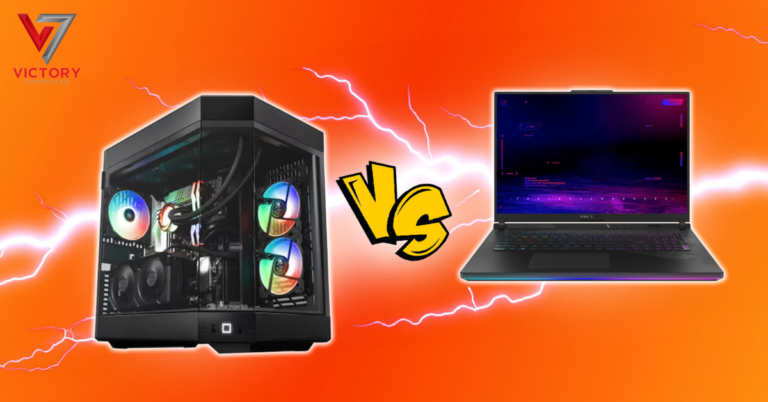

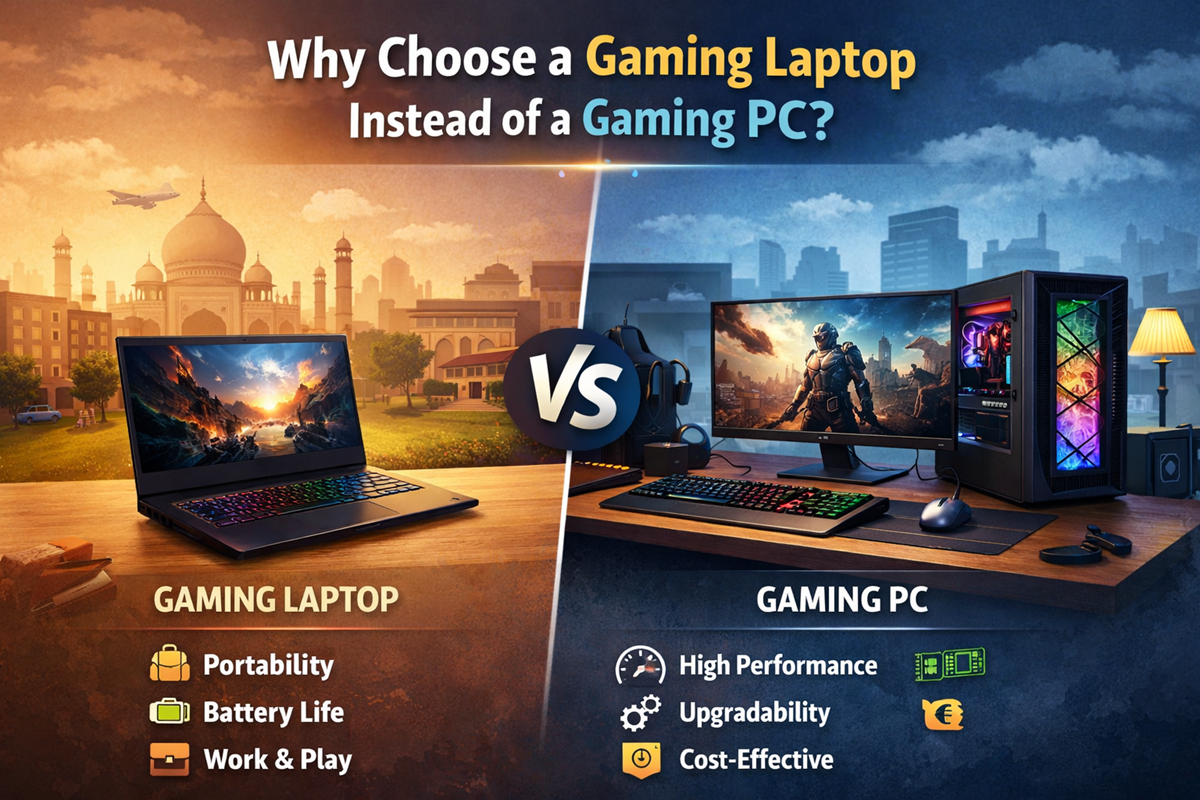
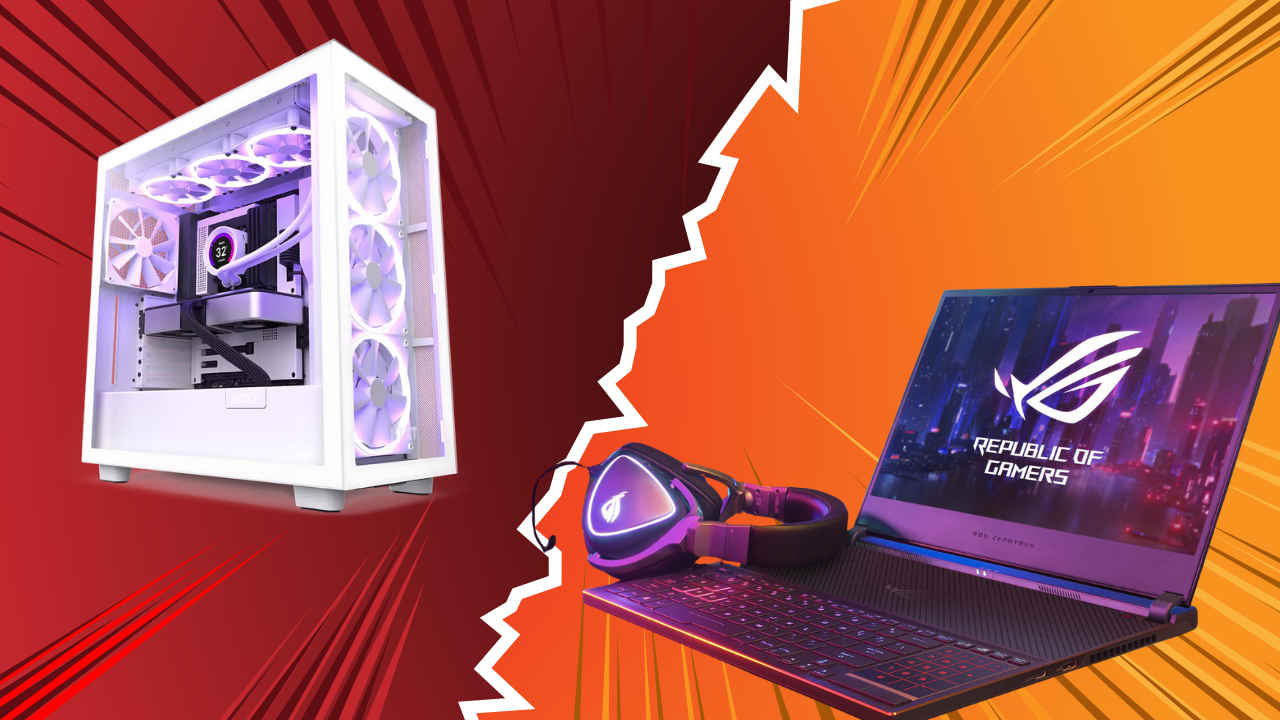
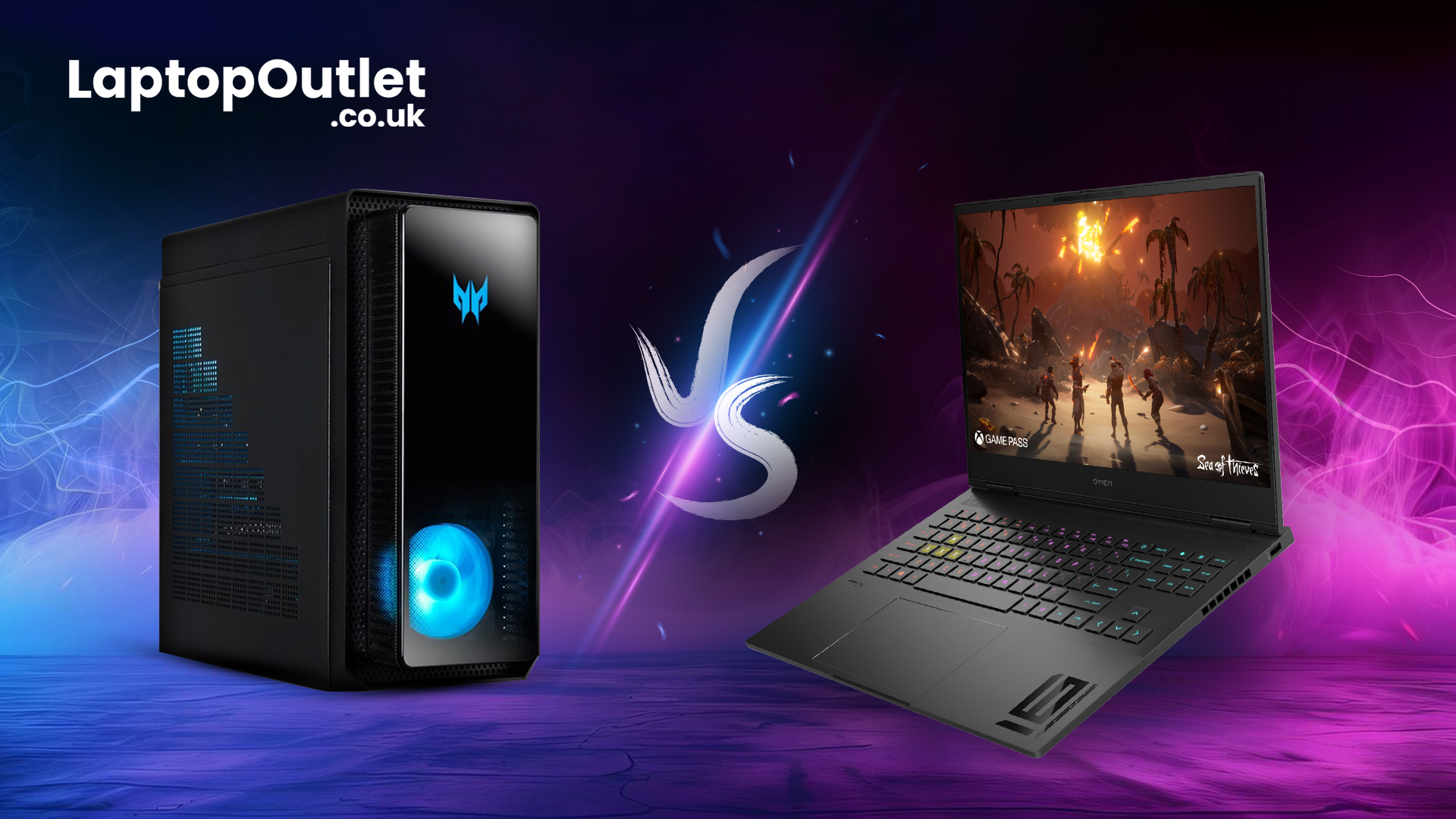
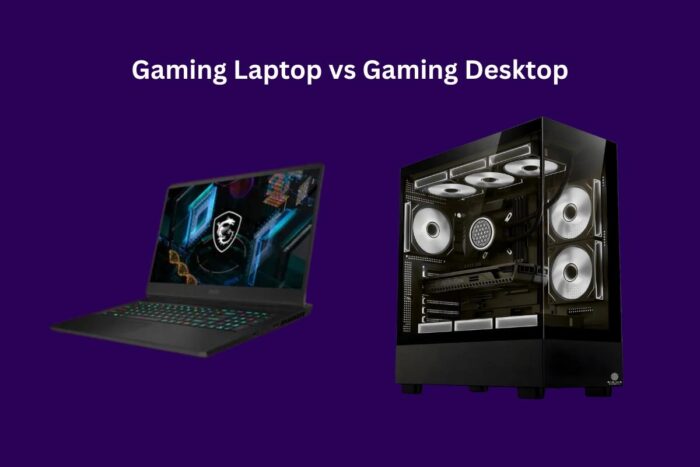
Gaming Laptop Vs Gaming PC 2026 Which One Should You Choose Gaming Pc Vs Gaming Laptop 768x402 . 2026 Laptop Buying Guide Gaming Laptops Vs Regular Laptops Achiever Blog 1 2048x1152 . Gaming Laptop Comparison 2026 Intel Vs AMD RTX Vs GTX Brand Specs Gaming Laptop Vs Gaming Pc India . Gaming PC Vs Gaming Laptop What Makes More Sense For You In 2026 Gaming PC Vs Laptop . Everything You Need To Know About Desktop PCs 2025 Edition LO Blog Image Gaming Desktop PCs Vs. Gaming Laptops Which Should You Buy



Best Gaming Laptop Vs Gaming Desktop 2026 Guide Sirius Power PC 89de0709 C920 499c 8431 700x467 . Gaming PC Vs Gaming Laptop Was Eignet Sich F R Wen EarlyGame Gaming Laptop Vs Gaming PC . Gaming Laptop Vs Desktop Which Is Right For You HONOR SA Blog 1 . Gaming Laptop Vs Desktop Preferences Statistics 2026 Updated Icon Gaming Laptop Vs Desktop Preferences Statistics 2025. Best Practices For Gaming Laptop Performance ILLEGEAR Vs

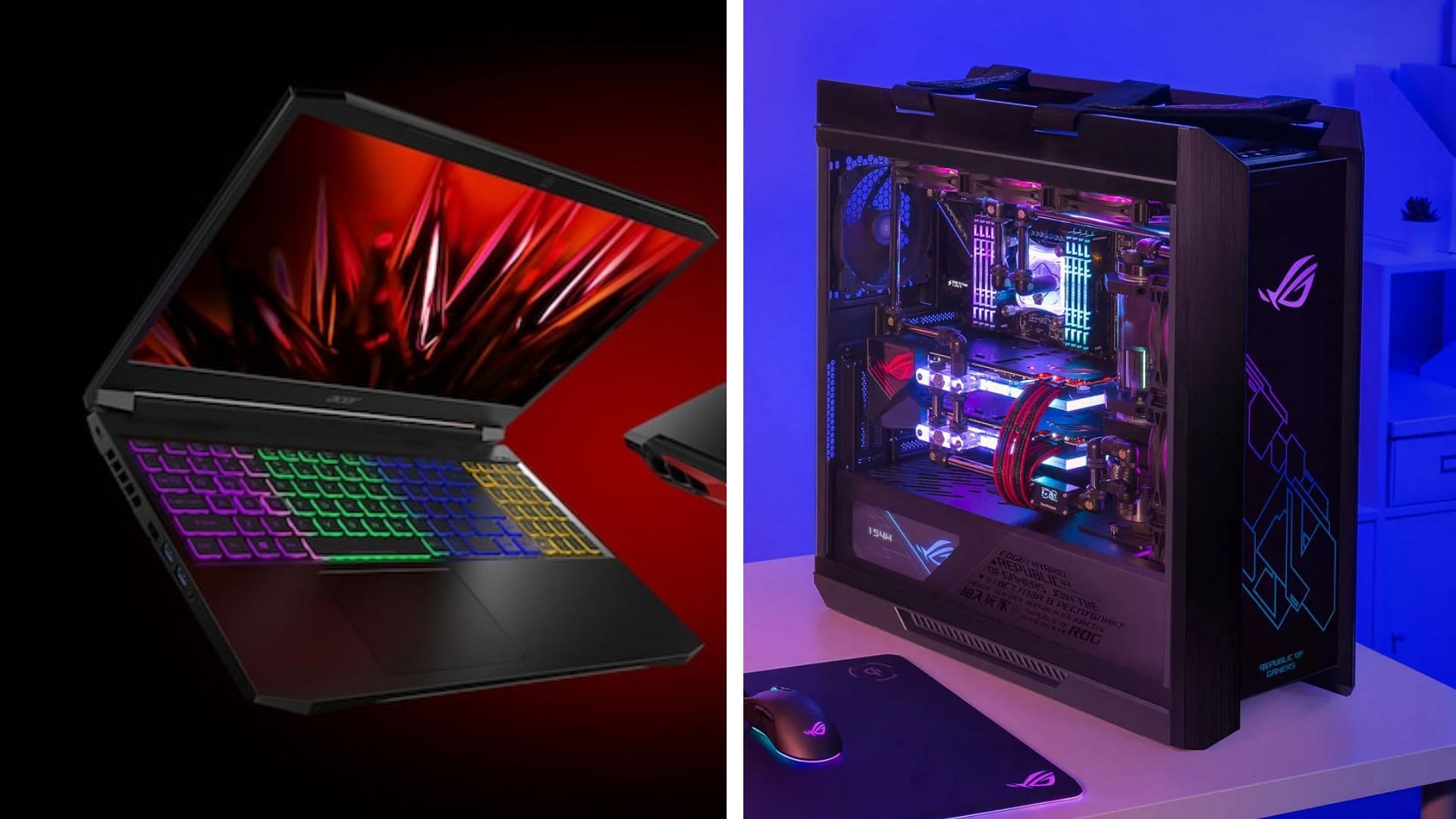


Gaming PC Vs Gaming Laptop Which Is Better For Gaming And Which Gaming Gaming Pc Vs Gaming Laptop 1170x650 . What Is Good For Gaming Laptop Or Desktop At Will Mcguirk Blog A504e 1920 . Difference Between Gaming Laptop And Normal Laptop Explained HONOR SA Blog 1 . Best Dell Laptop For Gaming Top Picks For Power And Performance Dell Gaming Laptop Vs Hp Gaming Laptop.webp. The Best Gaming Laptops Of 2026 At CES YouTube

Gaming On Snapdragon Laptops What To Expect In 2026. Gaming Laptop Vs Desktop PC Which Is Right For You Hackint0sh Gaming Laptop Vs Desktop PC 1024x576 . Gaming Laptops Vs Regular Laptops Key Differences Explained Blog Image Fx 4 . How To Choose The Right Gaming Laptop In 2026 A5 Laptop Compare 1779332154 . Difference Between Gaming Laptop And Regular Laptop Gaming Laptop Vs Regular Laptop.webp



How Long Do ASUS Gaming Laptops Last In Real Use. Check Out The Latest ROG Gaming Gear Revealed At CES 2026 . Steam Deck Vs Gaming Laptop Which Should You Buy IGN Ign Versus Blogroll . Best Laptop With 32GB RAM And 1TB SSD Top 3 Picks For 2025. The Best Cheap Gaming Laptops For 2026 Tested For Gaming Top 3 Gaming Laptops Of 2026 - The Ultimate Guide
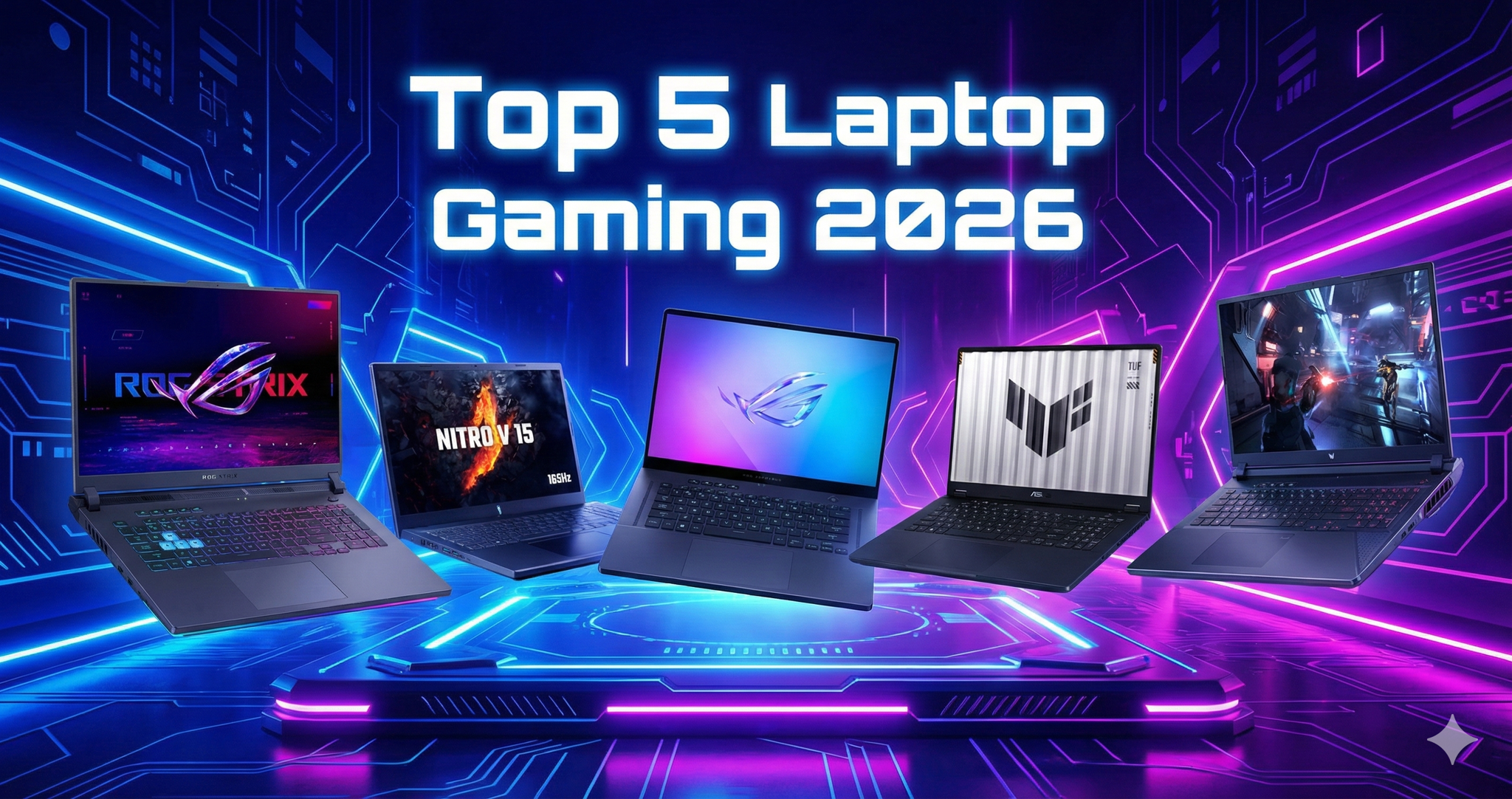


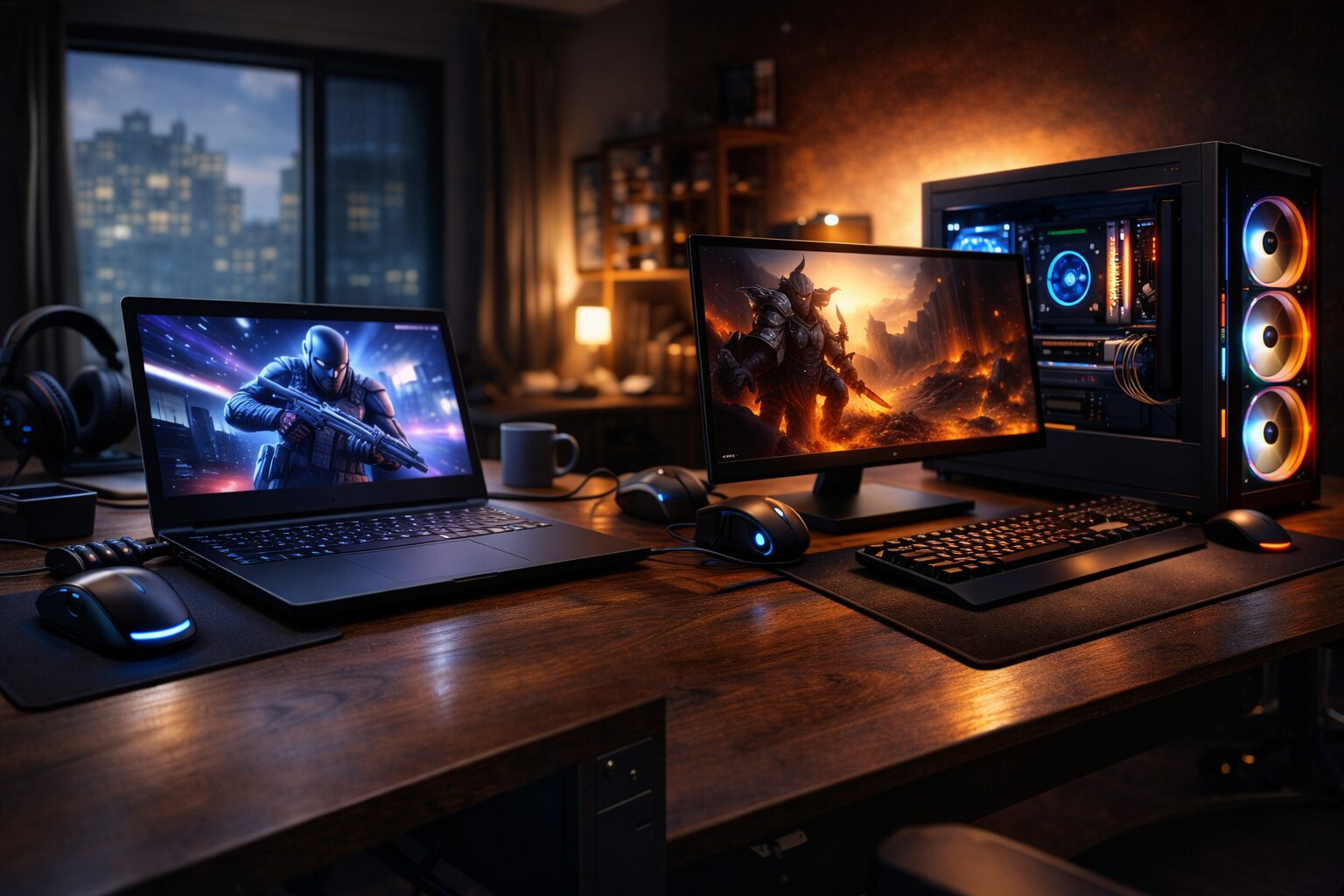
Top 5 Laptop Gaming Ng Mua Nh T 2026 K Nguy N AI PC RTX 50 Series Gemini Generated Image . CES 2026 Asus ROG Zephyrus Duo Is Finally A Proper Dual Screen Gaming Hero . PC Gaming News PC Gamer . Intel S Panther Lake Could Power New Gaming Handhelds In 2026 Windows . Gaming Laptop Vs Gaming PC Which Should Gamers Buy Guidantech Gaming PC
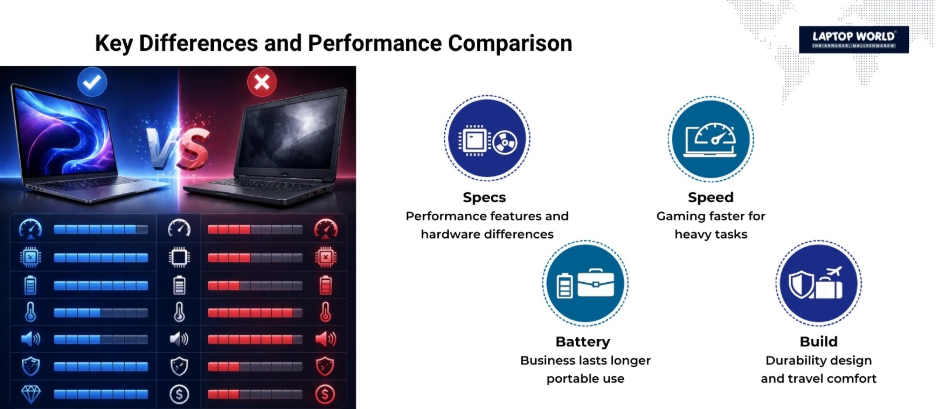

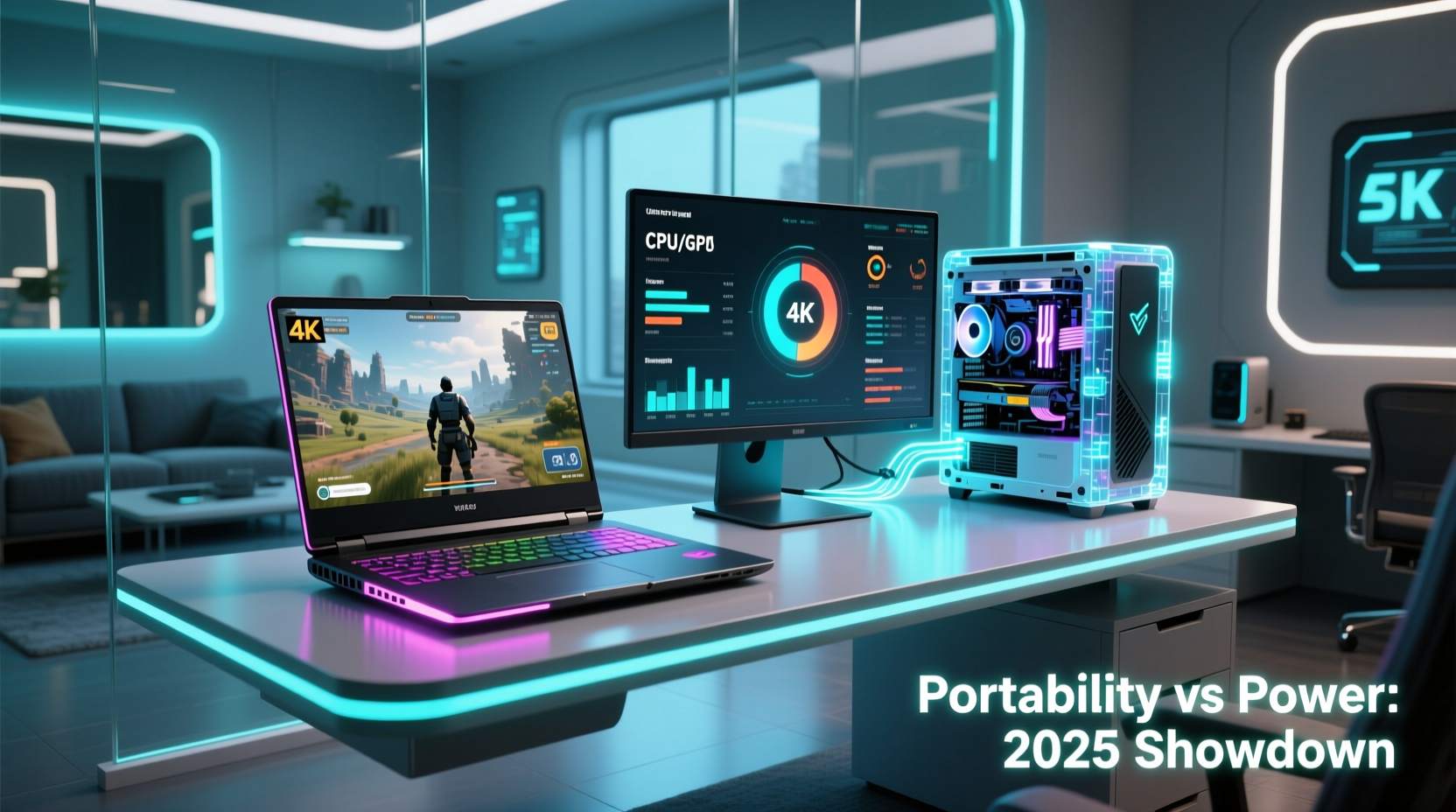
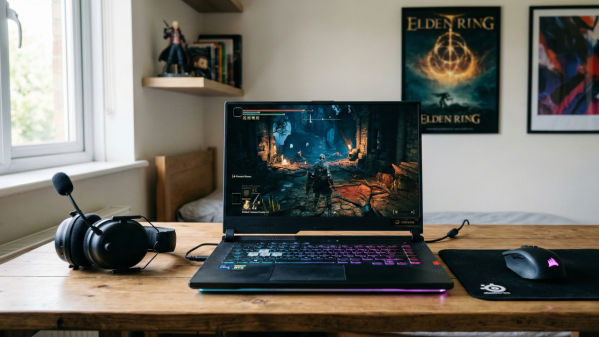
Gaming Laptop Vs Business Laptop Which Is Better Image 7 . Gaming PCs Vs Gaming Laptops The Truth About Performance And Cooling Gaming PC Vs Gaming Laptop Twitter Optimised UK Blog Feature Image Bottom Text Blog TextTwitter . Gaming Laptop Vs Desktop In 2025 Is Portability Finally Catching Up On . Intel Panther Lake Vs Lunar Lake Copilot PC Leap ASUS Global F89c7599 Ea33 468c Bfdf. Gaming PC Vs Gaming Laptop What Makes More Sense For You In 2026 Gaming Laptop 599x337