Unlock the secrets to building your ultimate gaming PC in 2026. This comprehensive guide navigates busy gamers through component selection, assembly, and optimization, ensuring top performance without breaking the bank or sacrificing precious family and work time. Discover how to balance the thrill of high-fidelity gaming with real-world responsibilities, addressing common pain points like budget constraints, limited build time, and choosing future-proof parts. Learn to troubleshoot setup issues, maximize frame rates, and find game recommendations perfect for quick, satisfying sessions. We delve into the latest trends, from social gaming and cross-play to budget-friendly upgrades and essential maintenance, providing practical, actionable advice for gamers who seek relaxation, fun, and skill-building in their digital escapes. This resource is designed for the average gamer, around 36 years old, who wants to enjoy cutting-edge experiences efficiently and affordably.
What's the absolute best CPU for gaming in 2026?
While the "absolute best" often shifts, for 2026, high-end Intel Core i9 or AMD Ryzen 9 processors with numerous cores and high clock speeds typically lead the pack. However, for most gamers, the performance difference compared to a high-end i7 or Ryzen 7 is negligible in pure gaming, making the latter a more cost-effective choice for balancing gaming with other tasks without overspending.
How much RAM do I really need for gaming in 2026?
For optimal gaming in 2026, 16GB of DDR4 or DDR5 RAM is considered the comfortable minimum. This allows most modern titles to run smoothly without stuttering. If you're also streaming, running multiple applications, or future-proofing, 32GB is highly recommended and offers a noticeable boost in overall system responsiveness and longevity.
Is it worth buying a 4K monitor if I'm building a new gaming PC?
Yes, if your budget allows for a high-end graphics card (like an Nvidia RTX 4080/4090 or AMD RX 7900 XTX equivalent) and you value stunning visual fidelity, a 4K monitor is absolutely worth it. It provides incredibly sharp images and immersive experiences. However, if your budget is more constrained, a high refresh rate 1440p monitor often offers a better balance of performance and visuals for the price.
Can I use my old gaming monitor with my new custom-built PC?
Generally, yes, you can use your old gaming monitor with a new custom-built PC, provided it has compatible display inputs like HDMI or DisplayPort. However, to fully appreciate the power of your new machine, especially if it's a significant upgrade, consider if your old monitor's resolution or refresh rate might be a bottleneck. Upgrading to a higher refresh rate or resolution monitor often unlocks the full potential of a powerful new GPU.
What's the most common mistake people make when building a gaming PC?
One of the most common mistakes is insufficient cable management, leading to poor airflow and higher temperatures, which can reduce component lifespan and performance. Another frequent error is failing to properly install the CPU cooler or apply thermal paste, causing overheating. Lastly, not updating drivers immediately after the OS installation can lead to instability and suboptimal performance.
How can I save money on my gaming PC build without sacrificing too much performance?
To save money, consider buying components during sales events like Black Friday or Prime Day. You can also opt for previous generation high-end CPUs or GPUs that still offer excellent performance for their reduced price. Prioritize a strong GPU, but save on non-critical components like the case (choose a functional but less flashy one), a smaller initial SSD (you can add more later), or a slightly less powerful CPU if you are purely gaming at higher resolutions where the GPU matters more.
What are the essential post-build checks and setups for a new gaming PC?
After your new gaming PC is assembled, the first essential step is to enter the BIOS/UEFI to confirm all components are recognized (CPU, RAM, storage). Then, install your operating system, followed immediately by downloading and installing the latest drivers for your motherboard chipset, GPU, and any peripherals from their respective manufacturers' websites. Finally, run a stress test or benchmark utility to ensure system stability and monitor temperatures under load. This proactive approach helps identify and resolve potential issues early.
As a gamer in 2026, you know the thrill of diving into immersive worlds, connecting with friends online, or mastering a challenging new title. But for many of us, balancing that passion with work, family, and other life commitments can feel like a high-stakes boss battle. You want peak performance, fluid graphics, and a seamless experience, but navigating the ever-evolving tech landscape, making smart spending choices, and finding time for setup can be a real headache. Pre-built machines often come with compromises, either in price or component quality, leaving you yearning for more control.
This is where understanding how to build a gaming PC becomes your ultimate power-up. Imagine a system perfectly tailored to your needs, built with components you trust, and optimized for the games you actually play, all while respecting your budget and schedule. Over 87% of US gamers play regularly, often dedicating 10+ hours a week, but many grapple with performance issues or the fear of a complex build. This month's trends continue to highlight the desire for personalized setups, especially among the average 36-year-old gamer balancing life. This comprehensive guide will demystify "gaming pc how to build," transforming what seems like a daunting task into an empowering journey. We'll walk you through every step, from selecting parts that offer maximum value and performance to practical assembly tips and post-build optimization, ensuring your new rig enhances your gaming and fits seamlessly into your busy life.
Why Should I Build a Gaming PC Instead of Buying Pre-built?
Building your own gaming PC offers unparalleled advantages for the discerning gamer. Firstly, you gain complete control over component selection, ensuring every dollar is spent on parts that directly impact your desired performance. This often results in better value for money compared to pre-builts which may cut corners on less visible components like power supplies or motherboards. Secondly, it fosters a deeper understanding of your system, making future upgrades and troubleshooting significantly easier. Finally, the satisfaction of creating your own powerful machine is a reward in itself, allowing for a personalized rig that truly reflects your gaming style and budget.
What Components Do I Need for a Gaming PC in 2026?
A modern gaming PC is a symphony of interconnected parts, each crucial for optimal performance. The core components include a Central Processing Unit CPU, which is the brain of your computer, and a Graphics Processing Unit GPU, responsible for rendering stunning visuals. You will also need a Motherboard to connect everything, RAM Random Access Memory for multitasking, fast Storage SSDs are standard now for games and OS, a Power Supply Unit PSU to provide electricity, and a PC Case to house all these components. Don't forget a reliable Cooling system, whether air or liquid, to keep temperatures in check during intense gaming sessions.
How Do I Choose the Right CPU and GPU for My Budget?
The CPU and GPU are the heart of your gaming PC, and their selection heavily depends on your budget and target performance. For the CPU, Intel Core i5/i7 or AMD Ryzen 5/7 series offer excellent price-to-performance for most gamers, balancing gaming and everyday tasks. The GPU is where most of your gaming budget should go. Aim for the highest-tier GPU you can comfortably afford, as it directly dictates frame rates and visual fidelity. Nvidia's RTX series and AMD's Radeon RX series provide a range of options. A good rule of thumb is to allocate 30-40% of your total budget to the GPU, followed by 15-20% for the CPU, ensuring a balanced system that avoids bottlenecks.
What About RAM, Storage, and Motherboards?
These components are crucial for a smooth and responsive gaming experience. For RAM, 16GB is the minimum sweet spot for 2026 gaming, with 32GB being ideal for future-proofing and heavy multitasking. Opt for DDR4 or the newer DDR5, with higher clock speeds where your motherboard and budget allow. Storage should primarily be an NVMe SSD for your operating system and favorite games; a 1TB drive is a great starting point, complemented by a larger SATA SSD or HDD for less frequently played titles or general media. The Motherboard must be compatible with your chosen CPU socket LGA for Intel, AM5 for AMD and support your RAM type and speed. It also needs enough ports and slots for your desired peripherals and expansion. Research motherboard chipsets to ensure they offer the features you need without overspending.
How Do I Actually Assemble My Gaming PC?
Building your PC is less daunting than it appears. Here’s a simplified step-by-step process:
Prepare Your Workspace: Ensure a clean, well-lit area. Use an anti-static wrist strap to prevent static discharge from damaging components.
Install the CPU: Carefully place the CPU into its socket on the motherboard, aligning the indicator triangle. Secure the retention arm.
Install the CPU Cooler: Attach your chosen CPU cooler, following its specific instructions. Apply thermal paste if not pre-applied.
Install RAM: Snap the RAM sticks into the designated slots on the motherboard, ensuring they click into place.
Mount Motherboard in Case: Install the I/O shield, then carefully screw the motherboard into the PC case using standoffs.
Install the GPU: Insert the graphics card into the top PCIe x16 slot on the motherboard and secure it with a screw or latch.
Install Storage: Mount your SSDs or HDDs into their respective bays and connect them to the motherboard with SATA cables and to the PSU.
Install the Power Supply: Mount the PSU in its designated spot and connect all necessary power cables to the motherboard, GPU, CPU, and storage devices.
Cable Management: Route cables neatly behind the motherboard tray for better airflow and aesthetics. This helps prevent performance issues due to restricted cooling.
First Boot: Connect your monitor, keyboard, and mouse. Power on your system. If all goes well, you should see the BIOS/UEFI screen.
What Software and Drivers Are Essential After Building?
Once your hardware is assembled, the software journey begins. First, install your Operating System, typically Windows 10 or 11. Following this, download and install the latest drivers for your Motherboard chipset, GPU, and any other peripherals directly from the manufacturers' websites. This is crucial for optimal performance and stability. Essential software includes a web browser, a security suite, and a gaming platform like Steam, Epic Games Launcher, or Xbox App. Consider utilities for system monitoring like HWMonitor or MSI Afterburner to keep an eye on temperatures and performance. Regularly update your drivers and OS to ensure you have the latest security patches and performance enhancements.
How Can I Troubleshoot Common Gaming PC Build Issues?
Even seasoned builders encounter issues. Don't panic. If your PC doesn't power on, check all power connections from the PSU to the motherboard and components. If it powers on but no display, ensure your monitor is plugged into the GPU, not the motherboard's integrated graphics. Reseat your RAM sticks and GPU firmly. A single beep code from your motherboard often indicates a RAM issue. Consult your motherboard manual for specific beep codes. If games crash, ensure all drivers are up-to-date and monitor your system temperatures. Overheating is a common culprit. Patience and methodical checking are key to resolving most build problems.
How Do I Optimize My PC for Best Gaming Performance and Longevity?
Optimizing your gaming PC ensures you get the most out of your investment and extends its lifespan. Keep your drivers updated, especially for your GPU. Regularly clean dust from your case fans and CPU cooler to maintain good airflow and prevent overheating. Use game-specific settings to balance visual quality with frame rates; often, minor tweaks can yield significant performance gains without noticeable visual compromise. Consider enabling XMP for your RAM in the BIOS to get advertised speeds. Avoid unnecessary background applications that consume resources. For busy gamers, setting up game modes in Windows and prioritizing game processes can make a big difference during those precious gaming hours. Overclocking can yield minor gains but carries risks and isn't necessary for most users seeking balanced performance.
Can I Build a Gaming PC on a Budget and Upgrade Later?
Absolutely, building a budget gaming PC with an upgrade path is a smart strategy for many gamers, especially those balancing expenses. Start by investing in a solid foundation: a good quality Power Supply Unit PSU, a reliable Motherboard that supports future CPU generations if possible, and a decent PC Case with good airflow. For initial components, you can opt for a mid-range CPU (e.g., an older generation i5 or Ryzen 5), 16GB of RAM, a smaller SSD, and a capable entry-level to mid-range GPU. As your budget allows, you can incrementally upgrade the GPU for a significant performance boost, add more RAM, or expand your storage. This modular approach allows you to enjoy gaming now and scale up your power as funds become available, maximizing value over time without overwhelming your finances.
How Do I Balance My Gaming Hobby with Work and Family Life?
For the average 36-year-old gamer, striking a balance between virtual adventures and real-world responsibilities is paramount. Modern gaming trends often feature social and cozy games like Palworld or Stardew Valley that are perfect for shorter, relaxing sessions, or free-to-play titles that offer flexible engagement. Communicate with family about your gaming time; setting specific, agreed-upon blocks can prevent friction. Utilize your PC's capabilities to record and share short clips with friends on Discord, fostering social connections even when time is limited. Consider games with cross-play functionality to connect with friends on other platforms, enhancing the social aspect. Remember, gaming is a form of relaxation and skill-building; it should complement your life, not complicate it. A well-built PC ensures less time troubleshooting and more time enjoying your escape.
Building your own gaming PC in 2026 is an empowering and rewarding endeavor. It puts you in control of your gaming destiny, allowing for a personalized, high-performance, and budget-conscious setup that truly enhances your leisure time. We’ve covered everything from core components and assembly steps to essential software and troubleshooting tips, all designed to make the process accessible for busy adult gamers. Remember, a powerful rig isn’t just about raw specs; it’s about creating an optimized experience that seamlessly integrates into your life, providing relaxation, connection, and exhilarating fun. Embrace the journey of creating your ultimate battle station.
What's your biggest gaming challenge when balancing life and play? Comment below!
Is building a gaming PC hard?
No, building a gaming PC is often compared to assembling LEGOs for adults. While it requires patience and attention to detail, modern components are designed to be user-friendly with clear instructions. Online tutorials and this guide make it very achievable for first-time builders. The biggest challenge is often overcoming the initial fear.
How long does it take to build a gaming PC?
For a first-time builder, the physical assembly typically takes between 3 to 6 hours. This estimate doesn't include the time spent researching components, downloading and installing the operating system, drivers, and games, which can add several more hours. Experienced builders can often complete the hardware assembly in under 2 hours.
What tools do I need to build a PC?
You'll primarily need a Phillips head screwdriver, an anti-static wrist strap or mat, and some zip ties or Velcro straps for cable management. A pair of small pliers can be helpful for tight spaces, and a flashlight can illuminate dark corners of the case. That's usually all you need to get started.
Can I use old parts in a new build?
Yes, you can often reuse certain components like your old PC case, storage drives (especially HDDs for bulk storage), and sometimes the power supply unit if it has sufficient wattage and isn't too old. However, for core components like the CPU, GPU, RAM, and motherboard, using newer parts is usually recommended for optimal performance and compatibility with modern games.
Where can I buy reliable PC parts?
Reputable online retailers like Amazon, Newegg, Best Buy, and Micro Center are excellent sources for PC components. For local options, Micro Center often has competitive pricing and in-store assistance. Always check reviews, warranty information, and return policies before making a purchase to ensure reliability and peace of mind.
Comprehensive guide to building a gaming PC. Step by step assembly instructions. Component selection advice for performance and budget. Optimization tips for busy gamers. Troubleshooting common build issues. Balancing gaming with life. Future proofing hardware choices. Latest 2026 gaming trends.
35

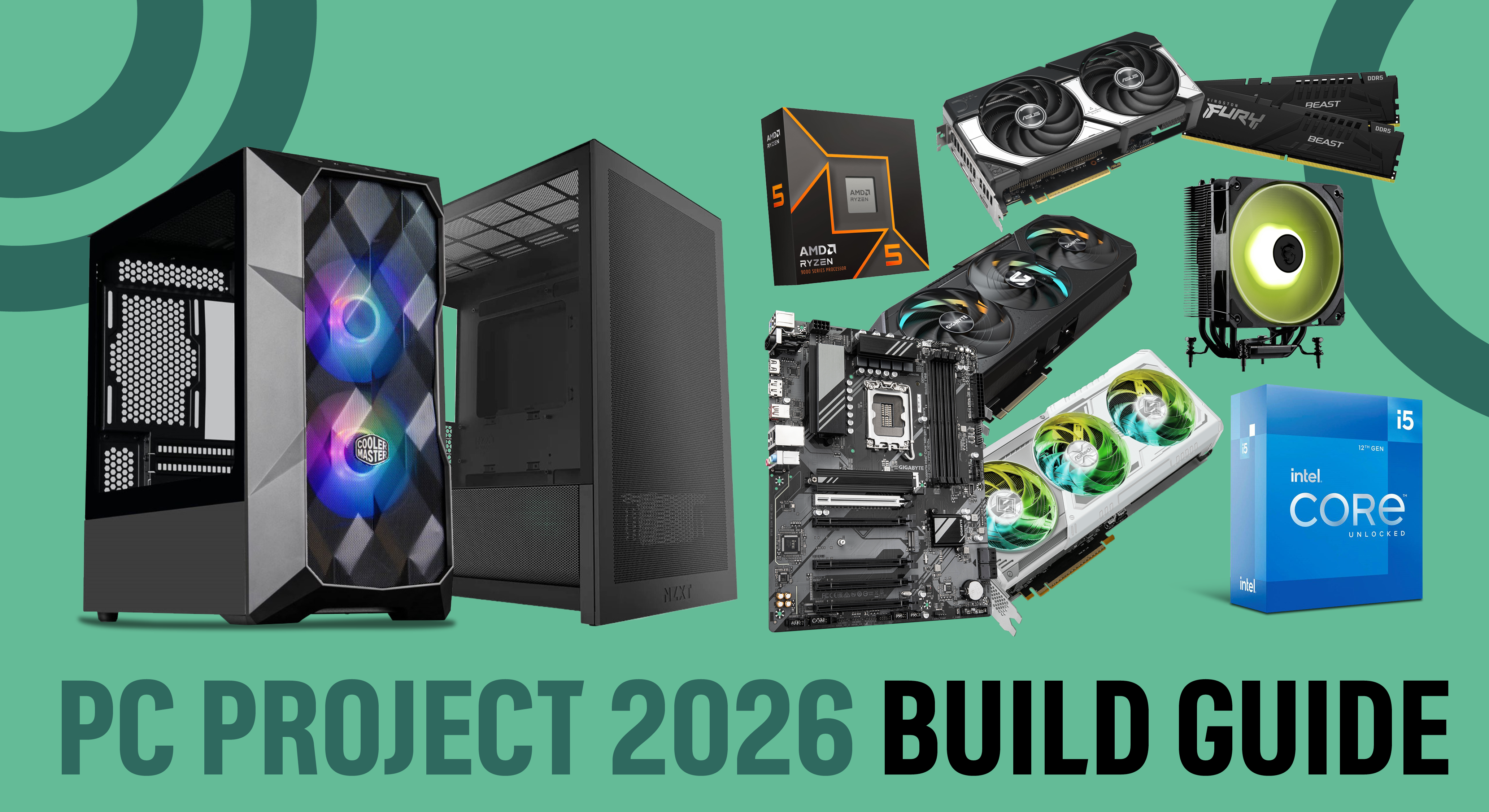


Best Gaming PC Builds For 2026 Best Gaming PC Builds For 2026.webp. How To Build A Gaming PC In 2026 Full Tutorial W Assembly BIOS . PC Project 2026 Where To Start With Building Your Own Gaming PC CCL CCL 667 BLOG BUILD GUIDE 1980x1080 . How To Build A Gaming PC 2026 Complete Beginner S Guide Switchblade How To Build Gaming Pc 2026.webp. How To Build A Gaming PC In 2026 Complete Beginner Guide How To Build Gaming Pc 2026

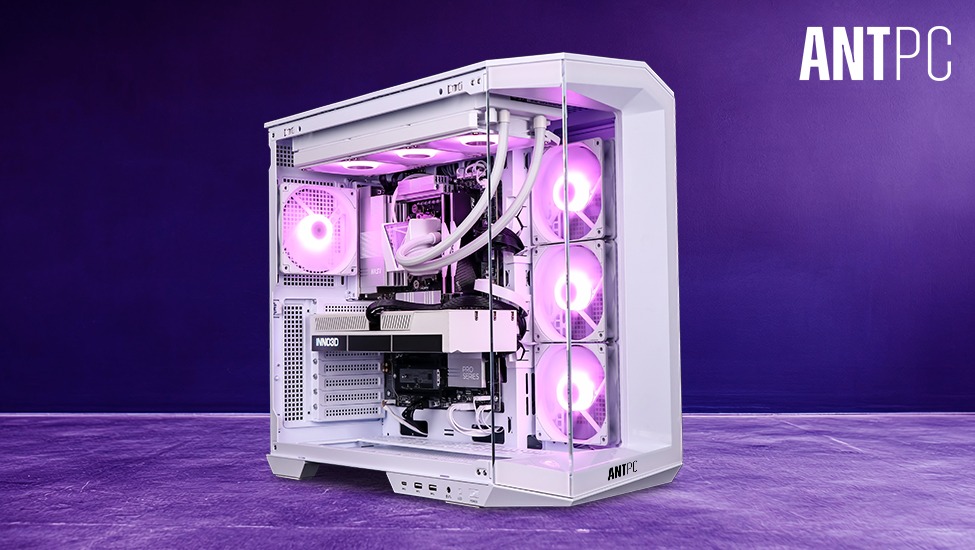
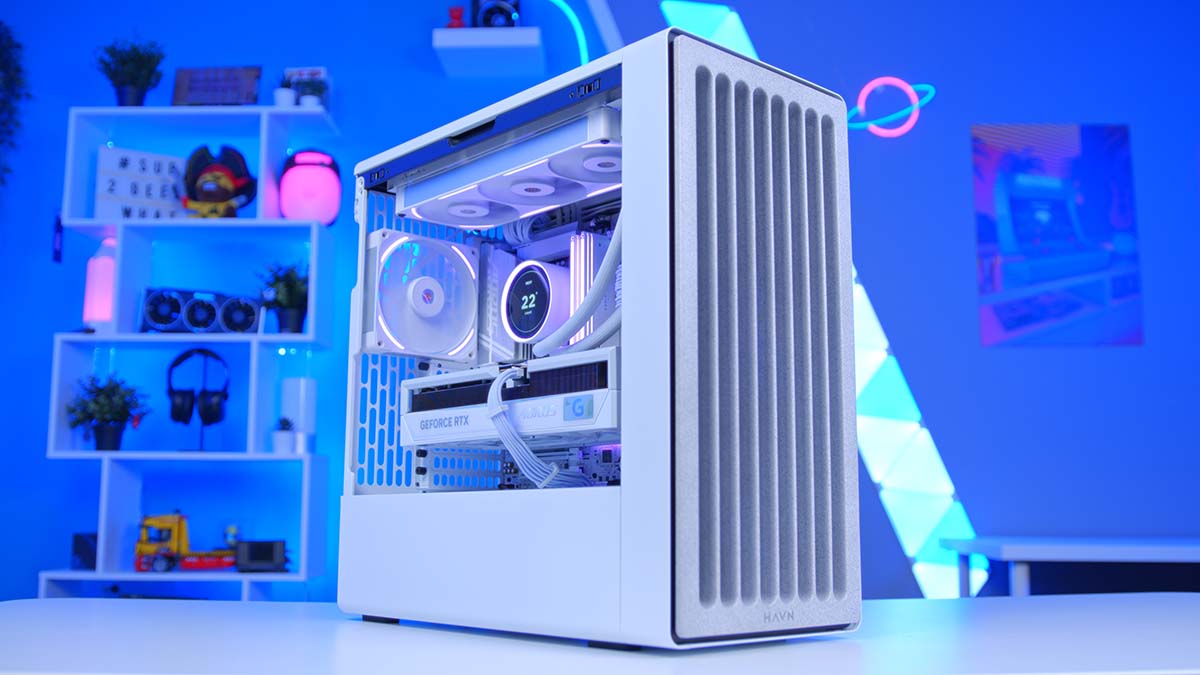
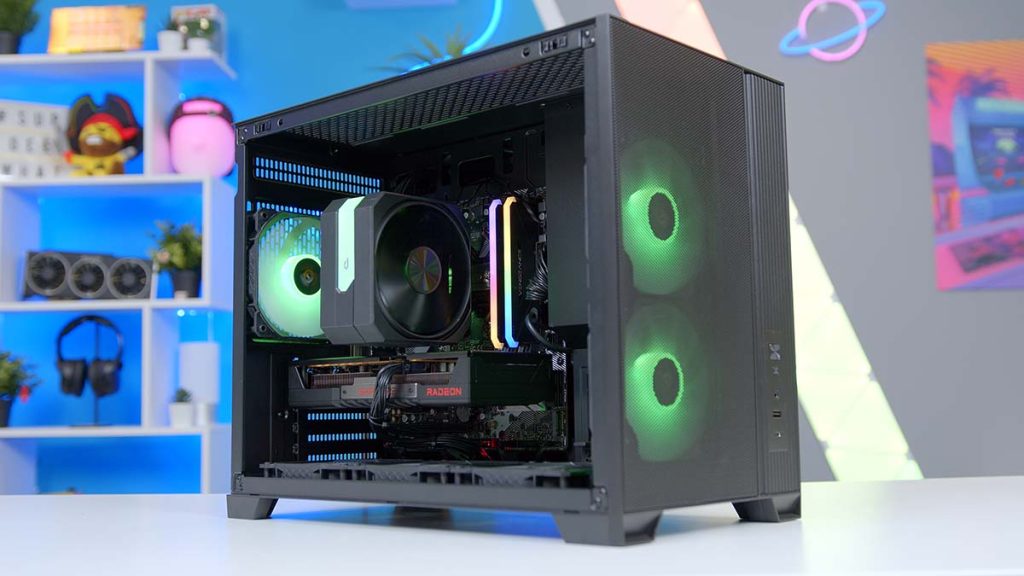
How To Build A Gaming PC In 2026 Complete Parts Guide And Assembly Image. Build PC 2026 Per GTA VI Potenza Massima E Bolletta Minima Generated Images 6. How To Build A Future Proof Gaming PC In 2026 Complete Custom Build Guide 1773043345 . Building An Enthusiast Grade PC Build For 2026 GeekaWhat FI DM87 HAVN BF RTX 5090 Build . Building An Affordable Gaming PC For 2026 GeekaWhat FI DP056 Antec Flux M 9060XT 1024x576
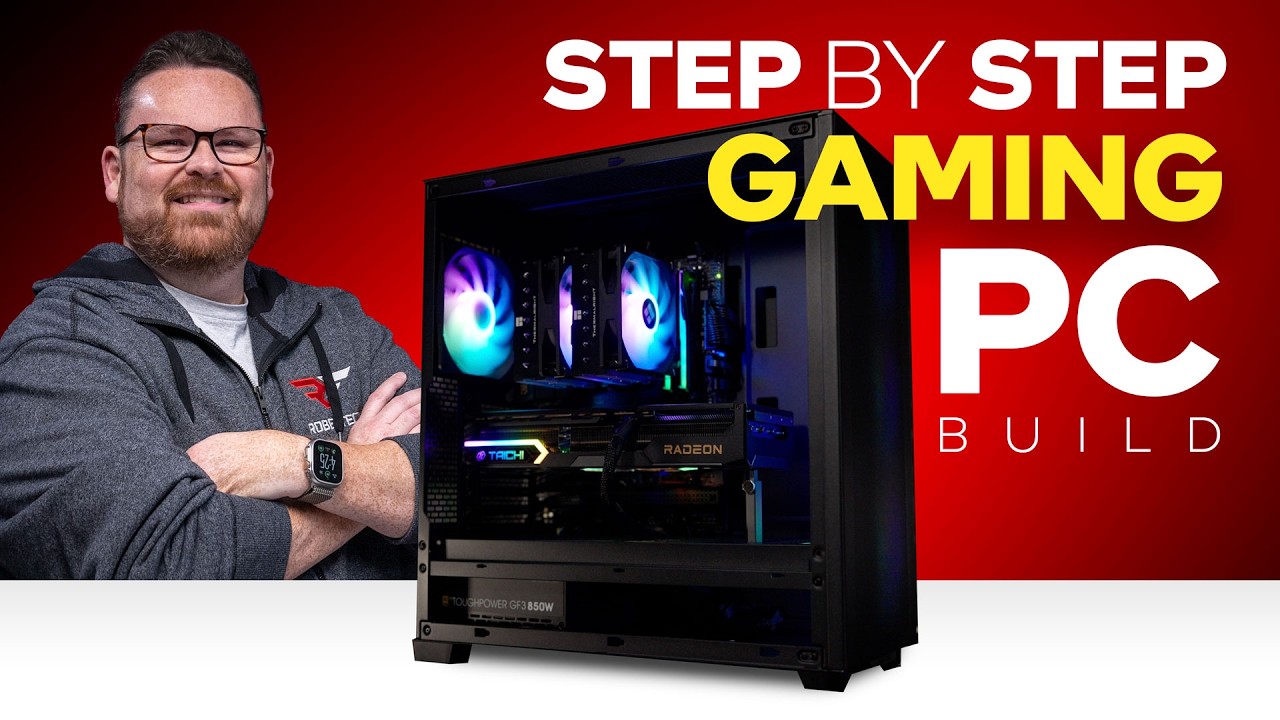

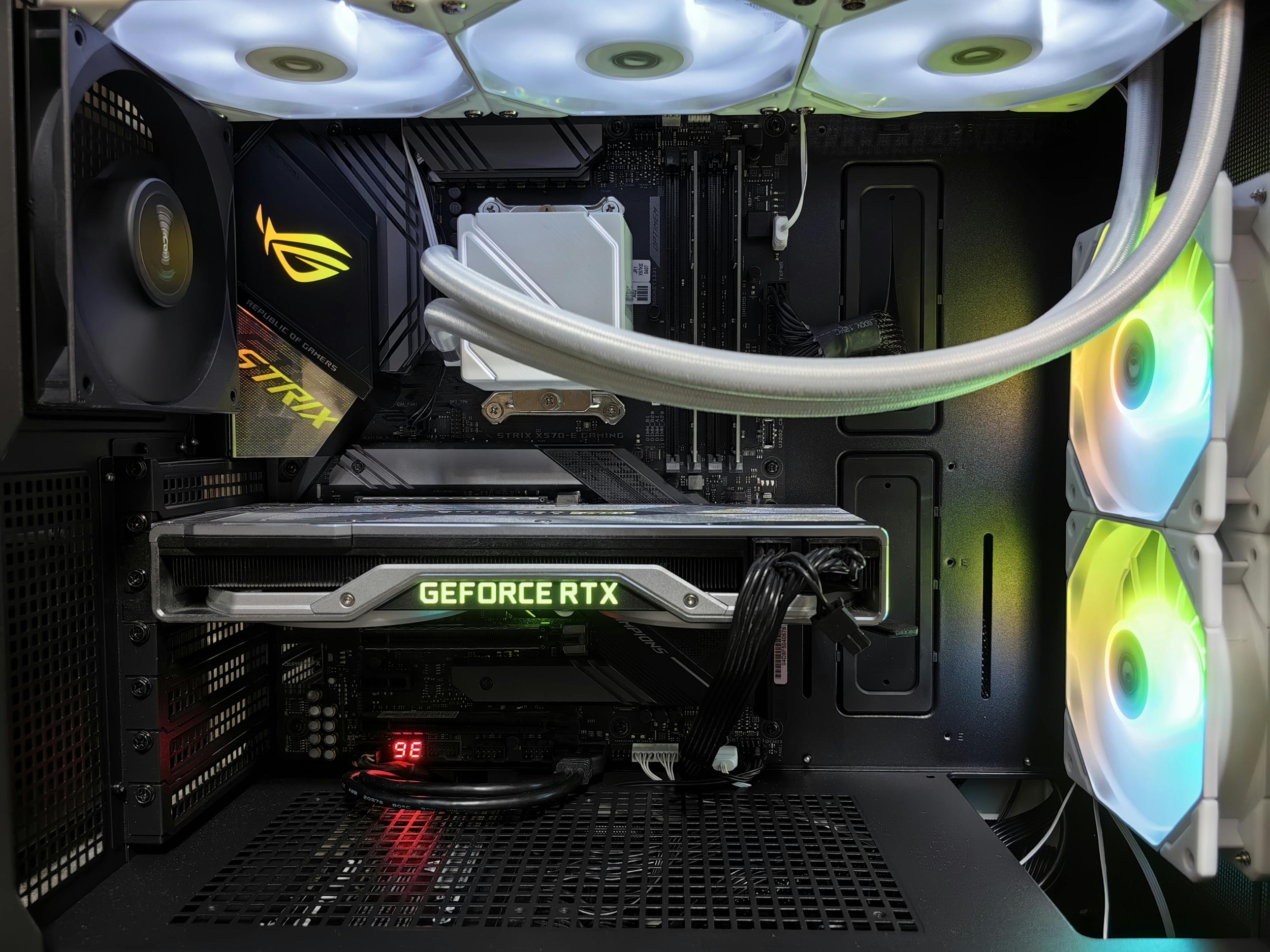


How To Build A Gaming PC In 2026 Ultimate Step By Step Guide YouTube . Ultimate Gaming PC Build Guide 2026 From Gaming PC Guru Ultimate Gaming Pc Build Guide 2026 Hero . How To Build Gaming PC Guide 2026 Step By Step Budget Gaming PC 2026 Gaming Pc . Best PC Builds For Gaming 2026 Ultimate Guide To Building Your Dream Best PC Builds For Gaming 2026 . How To Build Your First Gaming PC In 2026 Step By Step YouTube

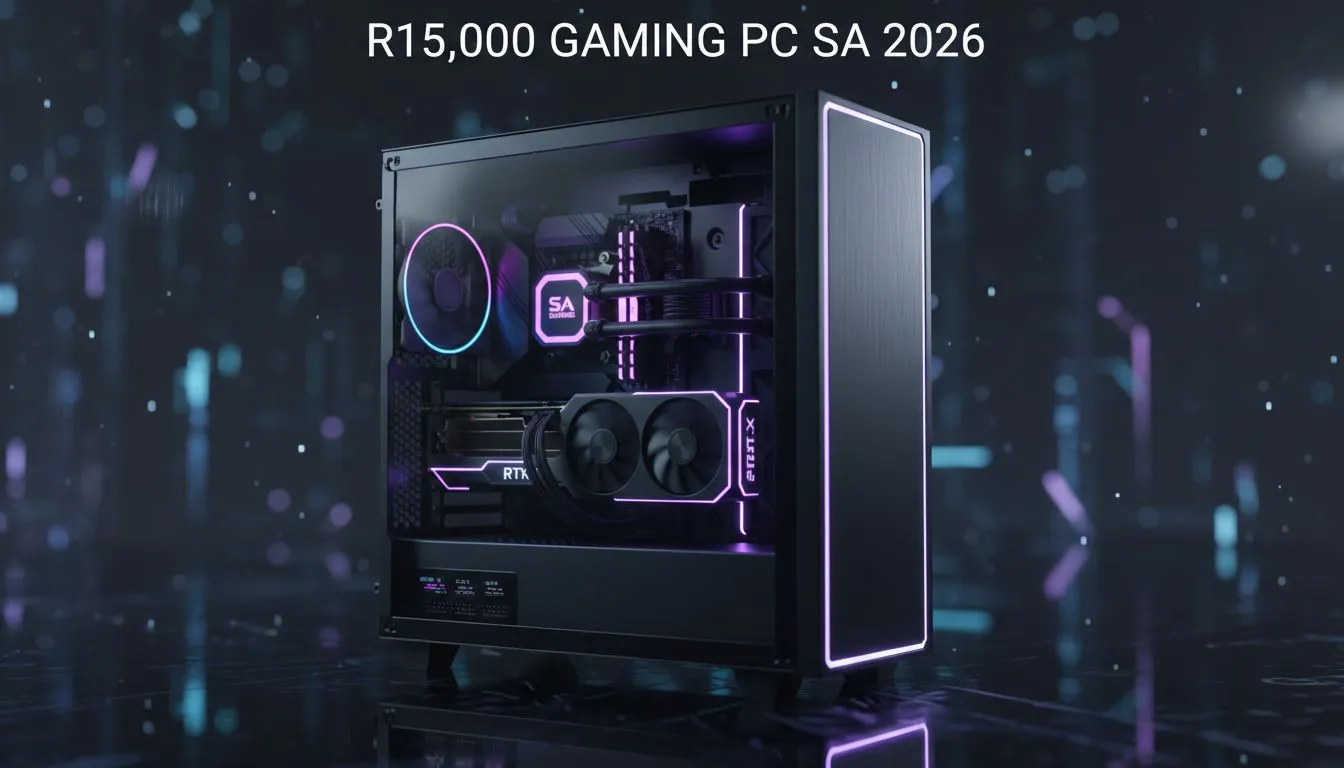
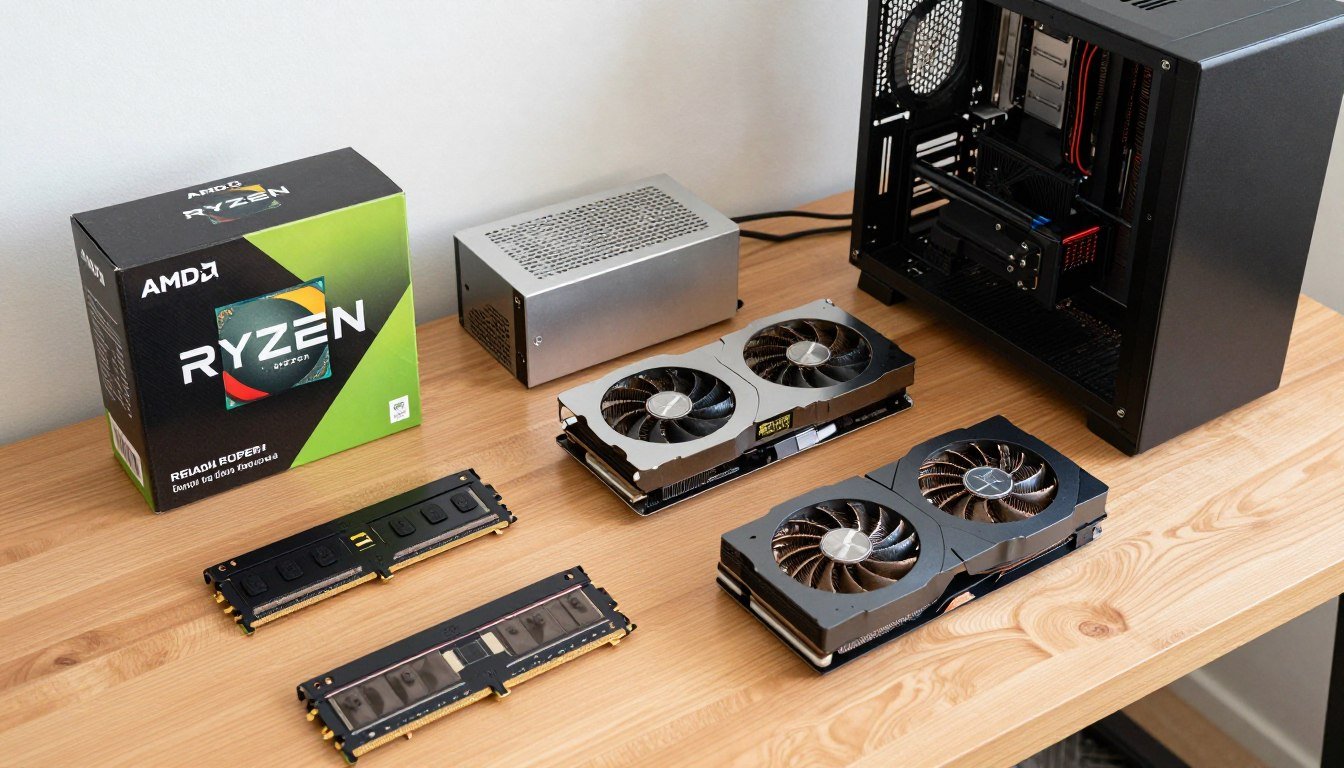
Building Custom PC 2026 Complete Guide Components Steps And Tips Image. How To Build Your Dream Gaming Setup In 2026 How To Build Your Dream Gaming Setup.webp. R15 000 Gaming PC Guide 2026 R15 000 Gaming Pc Sa 2026 Banner.webp. Budget PC Build 2026 Complete Guide To Building Cheap Gaming PCs Budget PC Build 2026 Components Laid Out On Desk . Budget Gaming PC Build 2026 Full Parts List Under 1 000 Best Budget Gaming Pc Build 2026.webp


Tech Guided Tech Guides PC Builds Hardware Reviews Best Budget Gaming PC Builds For 2026.webp. How To Build A 1 000 Gaming PC In 2026 That Outperforms Colorful Bright Illuminated Rgb Gaming Pc With Keyboard Mouse Monitor. How To Build A PC In 2026 GEEKOM UK Pc Building Guide.webp. Custom Gaming PC Builder In India Where To Buy How To Choose 2026 Custom Gaming PC Builder In India 1200x800 . The Ultimate Gaming PC Build 2026 Guide By Xidax 1 Unnamed
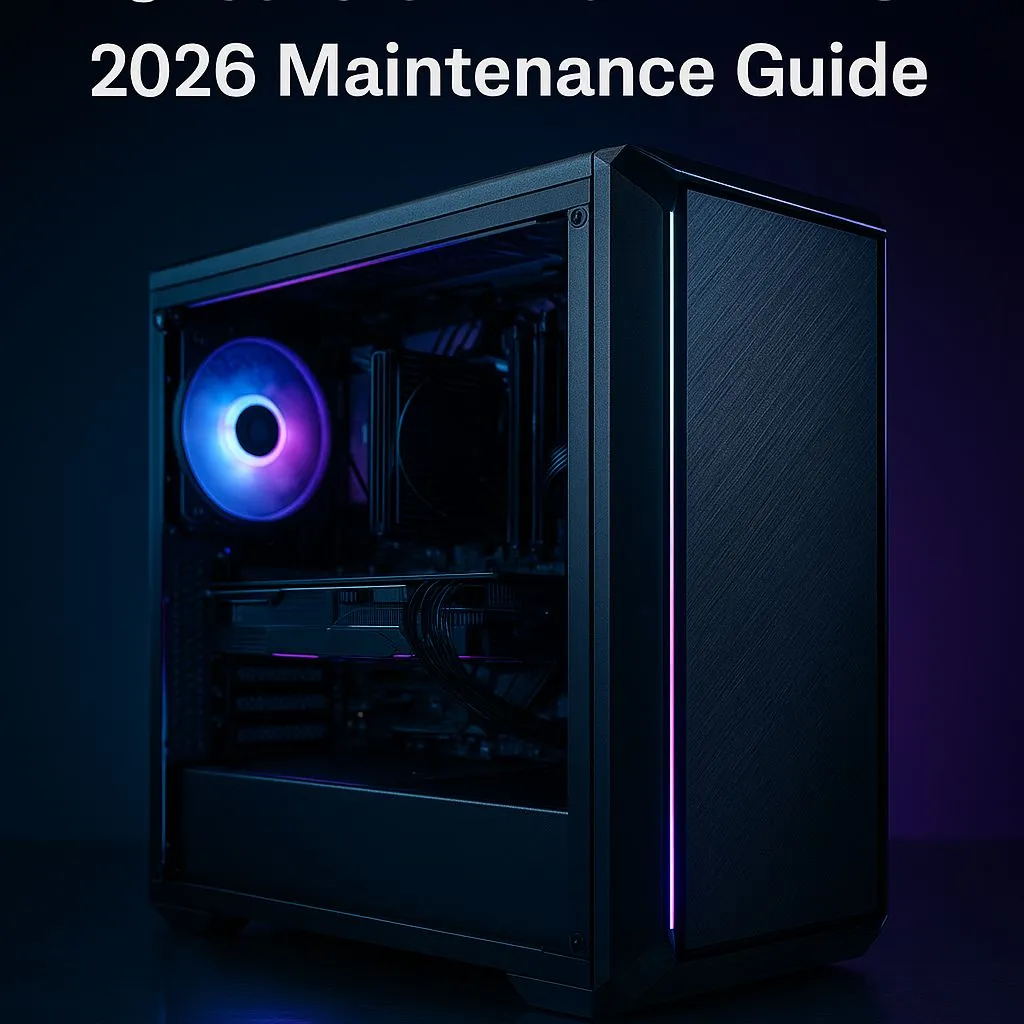
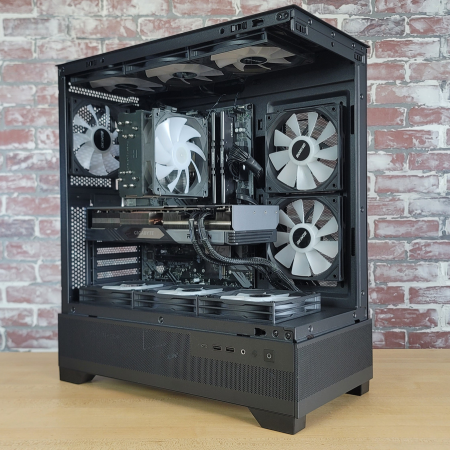
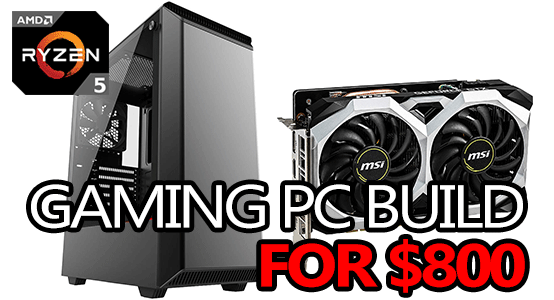
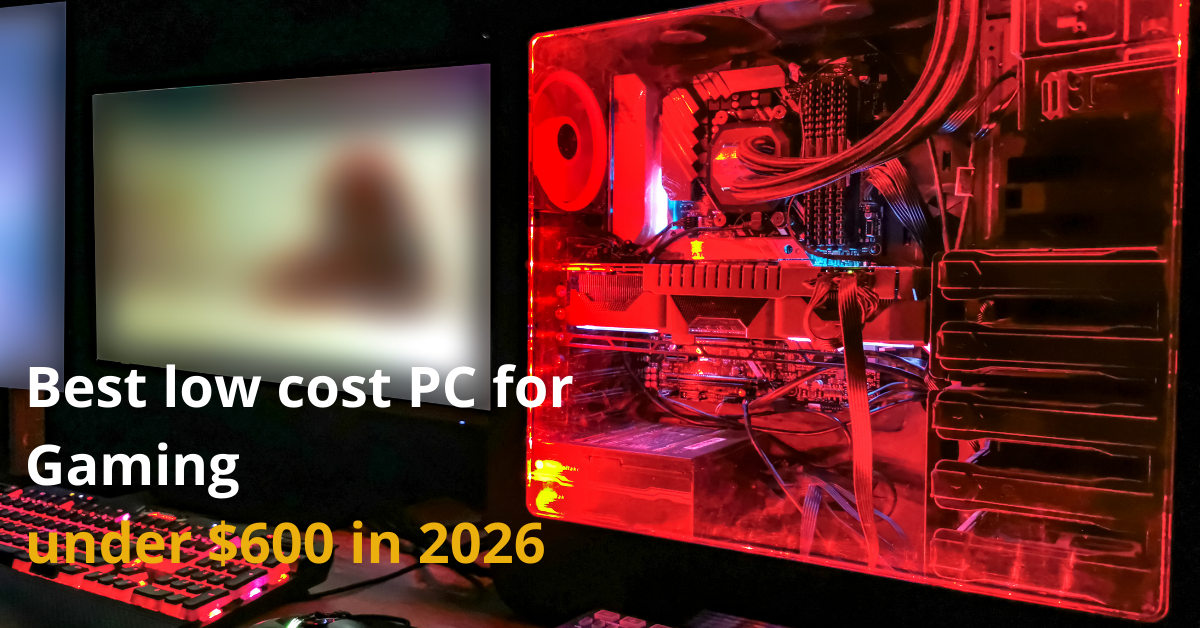

Beginner S Budget Gaming PC Build Guide How To Clean Your Gaming Pc 2026 Maintenance Guide Banner.webp. Best Gaming PC Builds For 2026 Pc Build Help . Best Gaming PC Build 2026 Top Picks For Every Budget PC Game Haven Best 800 Dollar Gaming Pc Build 2020 1 . How Much Does It Cost To Build A Gaming PC In 2026 Full Budget Guide Low Cost PC For Gaming . Best Budget Gaming PC Build 2026 High Performance Best Budget Gaming Pc Build 2026 Parts List


The Gaming PC You Need To Build For 2026. The Best 1000 Gaming PC Build For 2026 YouTube . How To Build A Budget Gaming PC For 1440p Gaming In 2026 The Ultimate Unnamed 22 . Best 1200 Gaming PC Build To Dominate 1440p In 2026 Best High End Gaming Pc Build 1500 Dollars 1 . How To Build A Future Proof PC In 2026 Without Regret Gemini Generated Ima. Imresizer 98