How many London travel zones exist?
London's public transport system is divided into nine concentric travel zones. Zone 1 is central, and the zones extend outwards to Zone 9. Fares are calculated based on the number of zones you travel through and the time of day, impacting costs for Tube, DLR, Overground, and some National Rail services.
What is an Oyster card for London transport?
An Oyster card is a smartcard for paying for public transport in London. You load money onto it and tap it on card readers at the start and end of your journey. It offers daily and weekly fare capping, ensuring you do not overpay, and is widely used across the Tube, DLR, and bus networks.
Which London travel zones cover central attractions?
Most of London's major attractions, including Buckingham Palace, the Tower of London, and the British Museum, are located within Zone 1 and Zone 2. US travelers will primarily use these central zones for sightseeing, making understanding their boundaries crucial for efficient travel planning and fare management.
Is a London Travelcard worth it for tourists?
A London Travelcard can be cost-effective for tourists planning extensive travel over several days or a week, especially if they will use multiple zones frequently. For shorter stays or fewer journeys, an Oyster card or contactless payment with its fare capping feature might offer better value and flexibility for US visitors.
How do I pay for public transport in London?
You can pay for London public transport using an Oyster card, a contactless debit or credit card, or by purchasing a paper ticket or Travelcard. Contactless payment and Oyster cards automatically apply daily and weekly fare caps, often providing the best value for US travelers compared to single paper tickets.
Can I use my phone for payment on London transport?
Yes, you can use your smartphone with Apple Pay, Google Pay, or other mobile payment apps on London's public transport. Link your contactless debit or credit card to your device, then tap your phone on the yellow card reader at the start and end of your journey, just like a physical contactless card.
Are buses more affordable than the Tube in London?
London buses operate on a flat fare, regardless of the distance or zones traveled, making them generally more affordable for single journeys compared to longer Tube rides across multiple zones. They are excellent for short to medium distances and offer scenic views of the city for tourists.
London travel zones map, how to use London transport, Oyster card London price, tube zones London, what are London travel zones, London public transport guide, cheap travel London
Planning a London adventure from the United States? Understanding the Map Of London Travel Zones is absolutely essential for navigating the city's vast public transport system seamlessly. This guide helps U.S. visitors decipher the London Underground, Overground, DLR, and bus networks, ensuring you travel efficiently and cost-effectively. Discover how these zones impact your Oyster card or contactless payment, where major attractions fall within the system, and how to select the best travel pass for your itinerary. From central London's bustling Zone 1 to the outer reaches, we break down everything you need to know. Get practical advice on journey planning, avoiding peak fares, and making the most of your time exploring iconic landmarks. Unlock hassle-free travel and focus on experiencing the best of London without unexpected transport costs or confusion. Prepare for your journey with confidence, knowing the ins and outs of London's convenient travel zones.
Frequently asked questions
How many travel zones are in London's transport system?
London's public transport system comprises nine concentric travel zones, with Zone 1 at the heart of the city extending outwards to Zone 9. Fares are calculated based on the number of zones crossed during your journey, affecting Tube, DLR, Overground, and some National Rail services.
What is an Oyster card and how does it work for tourists?
An Oyster card is a reusable smartcard for paying public transport fares in London. Tourists load money onto it and tap in and out at yellow readers. It offers daily and weekly fare capping, ensuring you pay the least possible, and is accepted across most TfL services.
Which London travel zones cover popular tourist attractions?
Most major tourist attractions in London, including iconic landmarks like Buckingham Palace and the British Museum, are situated within Travel Zones 1 and 2. US visitors will primarily use these central zones for sightseeing, making them key for travel planning.
Can I use my US credit card for London public transport?
Yes, many US contactless debit and credit cards can be directly used on London's public transport network. Just tap your card on the yellow reader when entering and exiting. Check with your bank about potential foreign transaction fees before your trip.
How can I get the best value for travel in London?
For best value, use an Oyster card or a contactless payment method to benefit from daily and weekly fare capping. If you plan extensive travel for a week, a 7-day Travelcard might also be economical. Avoid buying single paper tickets, as they are often more expensive.
Are buses cheaper than the Tube for London travel?
London buses operate on a flat fare, meaning the cost is the same regardless of distance or zones traveled. This often makes them a more affordable option for individual journeys compared to longer Tube trips crossing multiple zones, and they offer a great way to see the city.
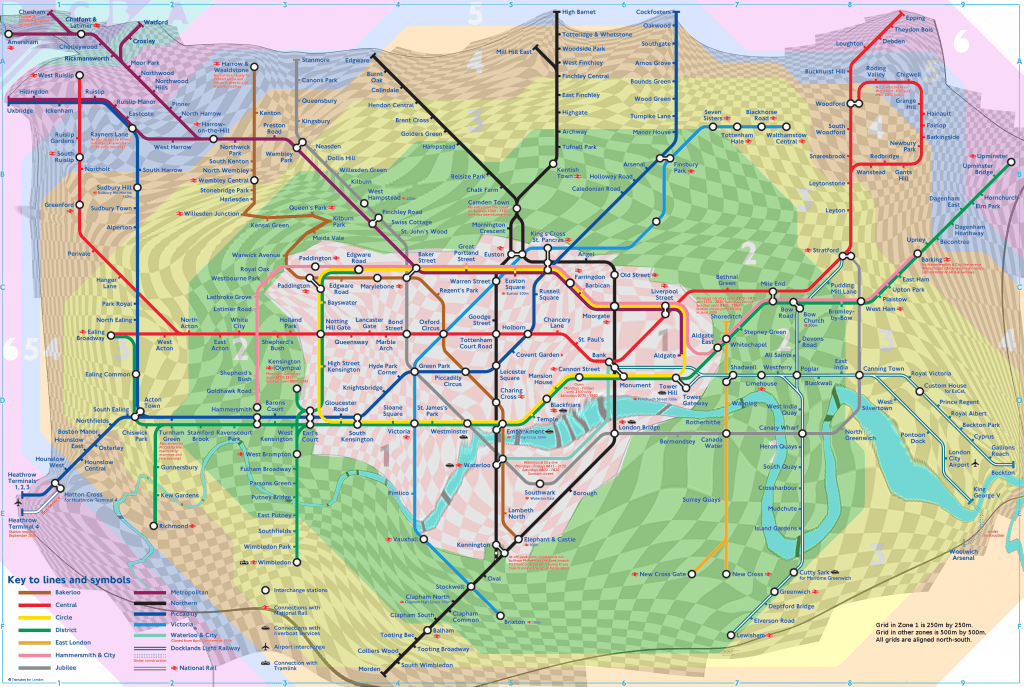
Planning a trip to London as a US traveler means getting a handle on the city's transport system. The Map Of London Travel Zones is a core tool for understanding how to move around effectively. It dictates your fares and helps you choose the smartest way to pay for your journeys.
This guide cuts through the confusion, offering a clear overview of London's travel zones. We will show you how to navigate like a pro, ensuring your visit is smooth, affordable, and focused on soaking up the sights, not stressing about your ride.
Understanding London's Travel Zones for US Visitors
London’s public transport system, managed by Transport for London (TfL), divides the city into nine concentric travel zones. Zone 1 sits right in the heart of London, encompassing most of the major tourist attractions and business districts. As you move outwards, the zone numbers increase, with Zone 9 being the furthest from central London.
Your fare depends on how many zones you travel through and the time of day. Generally, traveling within fewer zones or during off-peak hours (outside of 6:30 AM – 9:30 AM and 4:00 PM – 7:00 PM Monday to Friday) will cost you less. It truly pays to understand this system.
| Travel Zone | Key Areas Covered | Typical Cost Impact (Approx) |
|---|---|---|
| Zone 1 | Central London, Major Attractions | Highest Single Fares |
| Zone 1-2 | Most Tourist Hotspots | Moderate Fares |
| Zone 1-3 | Inner Suburbs, Some Airports | Higher Fares |
| Zone 1-6 | Heathrow Airport, Outer London | Significant Fares |
| Zone 7-9 | Far Outer London | Highest Fares |
For most US tourists, journeys will predominantly occur within Zones 1 and 2, which cover places like the Tower of London, Buckingham Palace, and the British Museum. However, if you are flying into Heathrow Airport, you will be traveling through Zone 6. Knowing your destination zone is your first step to smart travel.
The system applies across the London Underground (Tube), Overground, Docklands Light Railway (DLR), and National Rail services within the TfL network. London's bus and tram services, however, operate on a flat fare regardless of how many zones you cross. This offers a simpler approach if you prefer surface travel.
Using an Oyster card or a contactless payment method, like your credit card, is often the most cost-effective way to pay. These methods automatically cap your daily and weekly spending, preventing you from overpaying compared to buying single tickets. This is a game-changer for saving money during longer stays.
Many US credit cards work seamlessly with London's contactless readers, but check with your bank for foreign transaction fees first. An Oyster card can be topped up at any Tube station or Oyster ticket stop, offering great flexibility. Getting a grasp of these payment options early will save you time and money.
| Payment Method | Pros for US Travelers | Cons for US Travelers |
|---|---|---|
| Oyster Card | Daily/Weekly fare capping, widely accepted, easy to top up | Initial card fee, can be lost |
| Contactless Card (Credit/Debit) | No card fee, easy to use, daily/weekly capping | Potential foreign transaction fees, requires compatible card |
| Paper Travelcard | Unlimited travel within chosen zones/period | Less flexible, no automatic capping beyond purchase |
Navigating London Like a Local: Tips and Tricks
To truly navigate London like a local, always check the Tube map or a transport app before you head out. Understanding which lines serve which zones will make your journeys much smoother. You will quickly learn to identify the fastest routes, especially during busy times.
Consider purchasing a 7-day Travelcard if you are staying for a week and plan to use public transport extensively. This can often be more economical than daily capping, particularly if you are making multiple long journeys. Just make sure the zones on the Travelcard match your planned exploration areas.
Another smart tip is to walk more. Many central London attractions are surprisingly close to each other. A short stroll between sights like Trafalgar Square and Westminster Abbey saves you a Tube fare and lets you experience the city at street level. It adds to the overall London experience for sure.
Must-Know Travel Zone Insights for Sightseeing
Many iconic London sights are concentrated within Zone 1. Think of the British Museum, Buckingham Palace, the Houses of Parliament, and Piccadilly Circus—all easily accessible. This is why many US travelers find themselves primarily moving within this central zone. Planning your day by grouping attractions in the same zone helps streamline your travel.
Expanding slightly, Zone 2 includes gems like Notting Hill, the Tower of London, and parts of Canary Wharf. Destinations like Wembley Stadium fall into Zone 4, while Hampton Court Palace is in Zone 6. Being aware of these zone boundaries helps you anticipate journey times and costs for day trips.
For those arriving at Heathrow Airport, it is located in Zone 6. This means your journey into central London will traverse several zones. The Heathrow Express offers a fast, premium service directly to Paddington, but it is typically not included in Oyster card daily caps or Travelcards, so plan accordingly.
| Popular Attraction | Primary Travel Zone | Nearest Tube Station |
|---|---|---|
| Buckingham Palace | Zone 1 | Green Park, Victoria |
| Tower of London | Zone 1 | Tower Hill |
| British Museum | Zone 1 | Russell Square, Tottenham Court Road |
| Notting Hill | Zone 2 | Notting Hill Gate |
| Wembley Stadium | Zone 4 | Wembley Park |
| Heathrow Airport | Zone 6 | Heathrow Terminals 2 & 3, 4, 5 |
Common Questions About London Travel Zones
What are the peak and off-peak times in London travel zones?
Peak times are typically Monday to Friday, from 6:30 AM to 9:30 AM and 4:00 PM to 7:00 PM. Fares are higher during these hours. Off-peak times cover all other periods, including weekends and public holidays, offering cheaper travel costs.
Can I use my US contactless credit card on the London Tube?
Yes, most US contactless credit or debit cards can be used on the London Tube and other TfL services. Just tap your card on the yellow reader at the start and end of your journey. Always check with your bank for potential foreign transaction fees before your trip to avoid surprises.
Is the London bus system part of the travel zones?
No, London's bus and tram services operate on a flat fare system, meaning the price is the same regardless of how many zones you travel through. You tap once when you board and do not need to tap off. This makes buses a straightforward option for short journeys.
What is fare capping and how does it benefit me?
Fare capping automatically limits how much you pay for public transport in a single day or week. Once you hit the daily or weekly cap for the zones you have traveled, subsequent journeys within those zones are free. This is a huge benefit for Oyster and contactless card users, ensuring you always get the best value.
Where can I get a Map Of London Travel Zones?
You can pick up a physical copy of the Tube map, which includes travel zones, at any London Underground station. Digital versions are readily available on the TfL website and through various travel apps on your smartphone. These digital maps are excellent for planning on the go.
Do I need a separate ticket for each type of transport?
No, your Oyster card, contactless payment, or Travelcard typically covers all TfL services, including the Tube, DLR, Overground, and buses. This integrated system makes switching between different modes of transport very convenient and hassle-free for travelers.
Key highlights
London Underground map, Oyster card zones, TfL travel zones explained, best travel card London, navigating London public transport, London train zones breakdown
Gallery


Plus London Travel Dla Turyst W Indywidualnych I Zorganizowanych Grup Tubemaplarge 000 Your Guide To Getting Around Like A True Londoner Debut Careers Slide 273574 1957704 Free 273574 1957704 Underground Map Zones 1200 X 630 2B00FE3BD1956FB1A7C39122D6F8924E Zone Living Nomads Tips Guides News Mapa Zonas Londres 2026 Public Transport By Navigating The Uk Capital S Network What Are In 20241123104304 Layout Alternative Maps For Suburban 0e3bacb0b84034225b71f3f9d67d2664 Fare Prices 2026 An Artistic 3D Render Of 202606231807 3D 202606231807 Photos Mitraveltips Com Railway System.


London Travel Zones Guide For Postcodes LEZ DVS ULEZ Low Emission Congestion Charge Map Card Infoupdate Org Maxresdefault Covering All The In Attractions 888099D9492D469C3B2797BF16308EDC Photos Guidebookbali Com Istock 459229003 Travelcard Fare CCRH S L1200 Tube Mapping Tubezone Boroughs United States Maptravel EHF0COKWKAQKPPT Fares Edited Oysterpayasyougonationalrail Zone Tourist Travelerscast AD 4NXDVJGL5ZCY4FO0KQPXL2YXCLFHYV TTRATOMEQ76IG6 GGWAEQQ1GSHX1H Gjvpa 4NXDVJGL5ZCY4FO0KQPXL2YXCLFHYV TTRATOMEQ76IG6 GGWAEQQ1GSHX1H 9VMX0SFBZ1G36MRNDODVS327N5HGUC9B9R5C7UM6BBIU76X0NYBLAF6GZOWUDSRRYUBO6GLR Pocket Combined Underground And BR Lines With I0000TND To Transport Plantriplondon.


London Tube Map With Distance Grids Final 1024 Travel Zones Photos Guidebookbali Com Payginfographic Vehicle Preview Maproom National Rail Transport For And Services Top Tourist Attractions Underground Stations Plan Main Points Interest Metro Landmarks Museums High Resolution Card Infoupdate Org Of The Zonal Fare Scale Guide Scaled Uhomes 20251127080722102 Printables Templates Free Jan 22JPG Maxresdefault Arptravels Image.