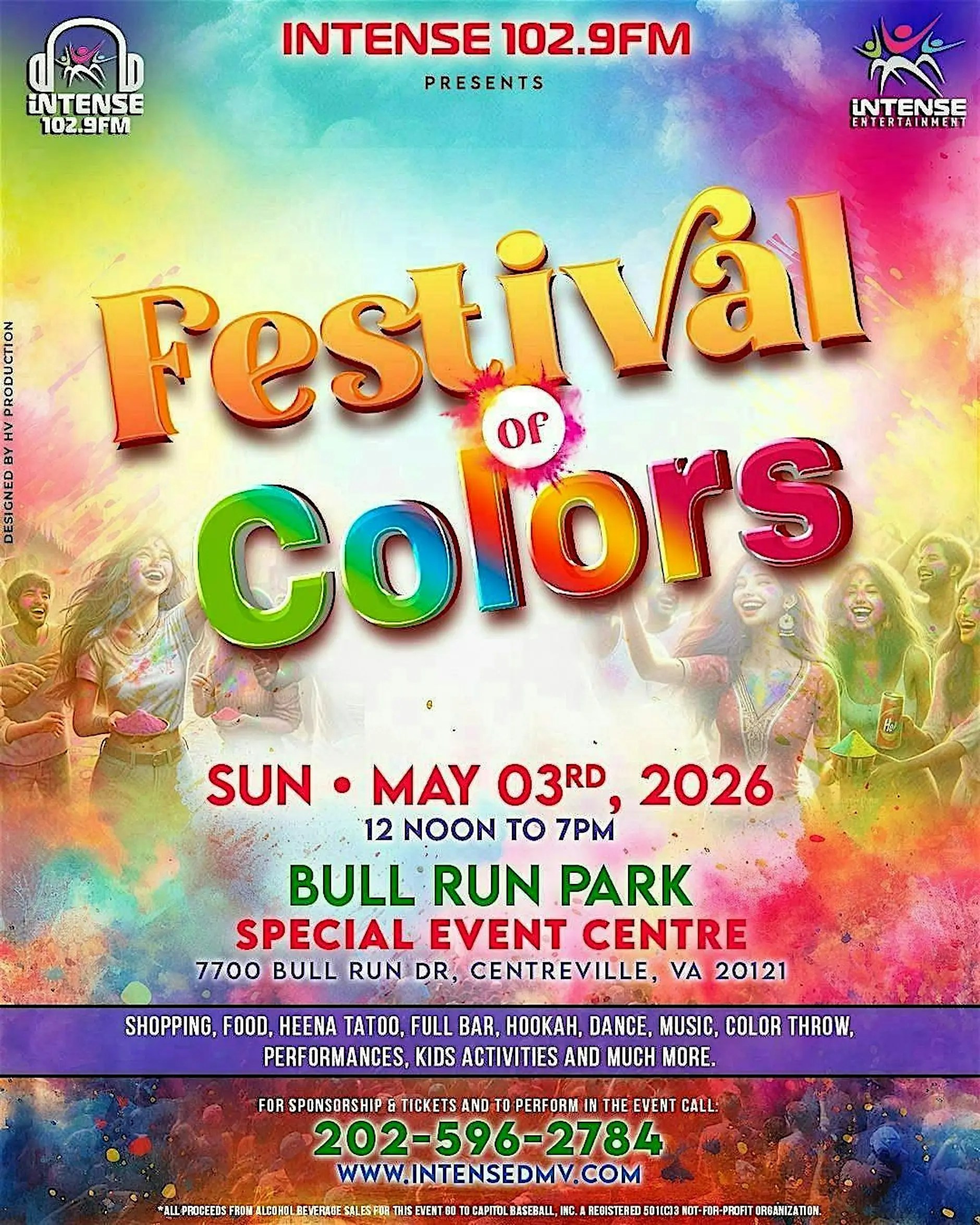
festival of color, Holi celebration USA, vibrant cultural events, color festival traditions, joyful community gatherings, safe color play tips, cultural immersion experiences, 2026 spring festivals, annual color fest
Discover the magic of the festival of color for 2026! Learn how to celebrate, where to go, and what to expect. Dive into vibrant traditions and make unforgettable memories.
Frequently asked questions
What is the primary significance of the festival of color?
The primary significance of the festival of color is celebrating the triumph of good over evil, the arrival of spring, and fostering unity and forgiveness among people. It symbolizes a time of renewal, allowing participants to embrace new beginnings and strengthen social bonds through shared joy and vibrant color play.
How can I find local festival of color events in my area for 2026?
To find local festival of color events for 2026, check online community calendars, consult websites of local Indian cultural organizations or temples, and look for city-sponsored cultural festivals. Social media event pages often list public celebrations, especially in major U.S. metropolitan areas.
Why do people use powdered colors (gulal) during the festival of color?
People use powdered colors, or gulal, during the festival of color to symbolize universal love, equality, and the vibrant essence of spring. The act of playfully covering each other in color breaks down social barriers, promoting unity and collective joy without distinction of age, caste, or status.
Is there a specific dress code for attending a festival of color?
While there's no strict dress code for the festival of color, it is highly recommended to wear old, comfortable white clothing. White fabric beautifully showcases the vibrant colors, and choosing older clothes means you won't mind if they get permanently stained by the powdered dyes, embracing the fun.
When did Holi, the festival of color, originate?
Holi, the festival of color, is an ancient Hindu festival with origins dating back several centuries B.C.E. Its roots are found in various Puranic legends, particularly emphasizing the story of Prahlada and the demoness Holika, illustrating themes of devotion and the victory of good.
How to clean up after participating in the festival of color?
Cleaning up after the festival of color is easiest if you've prepped your skin and hair with oil or lotion. First, brush off dry powder, then rinse with cold water before applying soap. Avoid hot water initially, as it can set the colors, making them harder to remove from skin and hair.
Stepping into the world of the festival of color in 2026 promises an experience unlike any other, a dazzling explosion of joy, music, and powdered pigments that truly captivates the senses. This ancient celebration, deeply rooted in tradition, has blossomed into a global phenomenon, drawing millions who seek a moment of pure, unadulterated revelry.
For those in the U.S., embracing this vibrant festival of color offers a unique opportunity to connect with diverse cultures and share in universal themes of renewal and togetherness. It’s more than just throwing colors; it’s about shedding inhibitions, celebrating community, and welcoming new beginnings with open arms and a heart full of cheer.
| Aspect | Description |
|---|---|
| Origin | Ancient Hindu festival (Holi) |
| Theme | Victory of good over evil, arrival of spring, love |
| Activities | Color play (gulal), music, dancing, feasting |
| Timing (2026) | Likely late March or early April, varying by event |
| Significance | Unity, forgiveness, new beginnings |
What exactly is the festival of color, and why do people celebrate it?
The festival of color is a joyous, ancient Hindu spring festival, commonly known as Holi, celebrating the triumph of good over evil, the arrival of spring, and the mending of relationships. Participants throw powdered colors, known as gulal, on one another, symbolizing equality and spreading happiness. This vibrant event signifies a fresh start, encouraging people to let go of past grievances and embrace unity.
Its origins trace back to various Hindu legends, most notably the story of Prahlada and Holika. This tale vividly illustrates how devotion and goodness ultimately prevail against arrogance and malevolence, providing a powerful narrative bedrock for the festival's spirited celebrations. The festival of color brings people together, fostering bonds and community spirit.
Who participates in the festival of color, and what traditions are common?
Anyone can participate in the festival of color, regardless of background, making it a universal celebration of joy and community. Traditionally, Hindus observe it, but its infectious spirit has led to widespread adoption by people worldwide, sharing in the vibrant festivities. The core tradition involves playful color throwing, singing, and dancing, creating an atmosphere of lively camaraderie.
Beyond the color play, families often gather for special meals, exchanging sweets and good wishes. Bonfires, called Holika Dahan, are lit on the eve of Holi to symbolize the burning of evil, a powerful ritual leading into the jubilant main day. This collective observance strengthens social ties and promotes a sense of shared belonging during the festival of color.
| Tradition | Meaning |
|---|---|
| Gulal Play | Symbolizes joy, unity, and breaking down social barriers. |
| Holika Dahan | Burning of evil, renewal, triumph of good. |
| Feasting & Sweets | Sharing happiness, strengthening familial bonds. |
| Music & Dance | Expressing jubilation and collective celebration. |
| Forgiveness | Letting go of past resentments, fresh starts. |
Where can you experience the festival of color in the U.S. in 2026?
In 2026, you can experience the festival of color across numerous U.S. cities, with many Indian cultural organizations, temples, and community centers hosting public events. Major metropolitan areas like New York, Los Angeles, Houston, Chicago, and the Bay Area often feature large-scale celebrations attracting diverse crowds. Smaller local gatherings also provide authentic experiences.
How to prepare for your first festival of color experience?
To prepare for your first festival of color, wear old clothes you don't mind getting stained, apply oil or lotion to your skin and hair to ease color removal, and protect your eyes with sunglasses. Arrive with an open mind and a playful spirit, ready to immerse yourself in the vibrant chaos. Hydrate well and consider bringing a bandana to cover your mouth and nose.
Is the festival of color truly safe, and what precautions should you take?
The festival of color is generally safe, especially when using natural, non-toxic colors, but taking certain precautions enhances the experience. Always purchase colors from reputable sources to avoid harmful chemicals and apply lotion as a barrier on skin. Stay hydrated and be mindful of your surroundings, especially in large crowds. Many organizers prioritize safety, offering wash stations and clear guidelines.
| Safety Measure | Purpose |
|---|---|
| Non-Toxic Colors | Prevents skin irritation and allergic reactions. |
| Oil/Lotion Barrier | Facilitates easy removal of colors from skin and hair. |
| Eye Protection | Safeguards against color powder irritation in eyes. |
| Old Clothing | Protects personal attire from permanent staining. |
| Hydration | Maintains comfort and well-being during active celebration. |
When is the best time to join festival of color celebrations?
The festival of color typically falls in late March or early April each year, depending on the Hindu lunar calendar, making spring the ideal time to join the celebrations. Check local community calendars or temple websites for specific 2026 dates and times, as events might span several days or weekends. Weekend events are often most accessible.
Arriving early for public events can help you snag a good spot and fully enjoy the initial bursts of color before crowds thicken. The energy builds throughout the day, often peaking around midday before winding down in the late afternoon. Embracing the full timeframe allows for maximum immersion in the festival of color experience.
How to make your festival of color celebration truly unforgettable?
To make your festival of color celebration truly unforgettable, immerse yourself fully in the moment, engage with others, and embrace the spontaneous joy of color throwing. Don't be shy; join the dancing and connect with new faces. Capture memories, but don't let your phone distract you from the live experience. Let loose and enjoy the vibrant atmosphere.
Try to sample some traditional festival treats, like gujiya or thandai, which are often available at larger gatherings. Engaging with cultural performances or workshops can also deepen your appreciation for the festival of color. Remember these simple tips:
- Go with friends: Sharing the experience amplifies the fun.
- Stay hydrated: Keep water handy throughout the day.
- Dance freely: Let the music move you without inhibition.
- Take photos thoughtfully: Capture moments but live them first.
- Embrace the mess: It's all part of the colorful adventure.
The festival of color is an invitation to release, rejoice, and reconnect, a vivid reminder of shared humanity and the boundless potential for happiness. Dive headfirst into this spectacular tradition, knowing you're part of a timeless celebration that washes away worries with every splash of vibrant hue. Plan your 2026 experience now and discover the pure, unadulterated magic of the festival of color.
Key highlights
Explore global traditions and local celebrations for the festival of color in 2026.Master tips for participating safely and joyfully in the vibrant festivities.Uncover the historical significance and cultural roots of the festival.Find out what to wear and how to protect yourself during color play.Identify family-friendly events and community gatherings in the U.S.Learn how to prepare traditional foods and festive treats.Understand the symbolic meanings behind the dazzling array of colors.