Finding the perfect balance between powerful gaming performance and a tight budget can often feel like a quest more challenging than any in game boss fight especially for busy US gamers who juggle careers families and life responsibilities This comprehensive guide to the best inexpensive gaming computers of 2026 is crafted specifically for you We understand you crave immersive experiences social connections and a chance to unwind without breaking the bank or dedicating endless hours to research This article cuts through the hype offering practical advice up to date insights and actionable tips to help you choose set up and optimize an affordable gaming rig that truly delivers We cover everything from essential components and smart buying strategies to performance tweaks and balancing gaming with real life commitments Get ready to game smarter not harder discover how to unlock incredible value and enjoy a top tier gaming experience without the premium price tag
What exactly qualifies as an inexpensive gaming computer today?
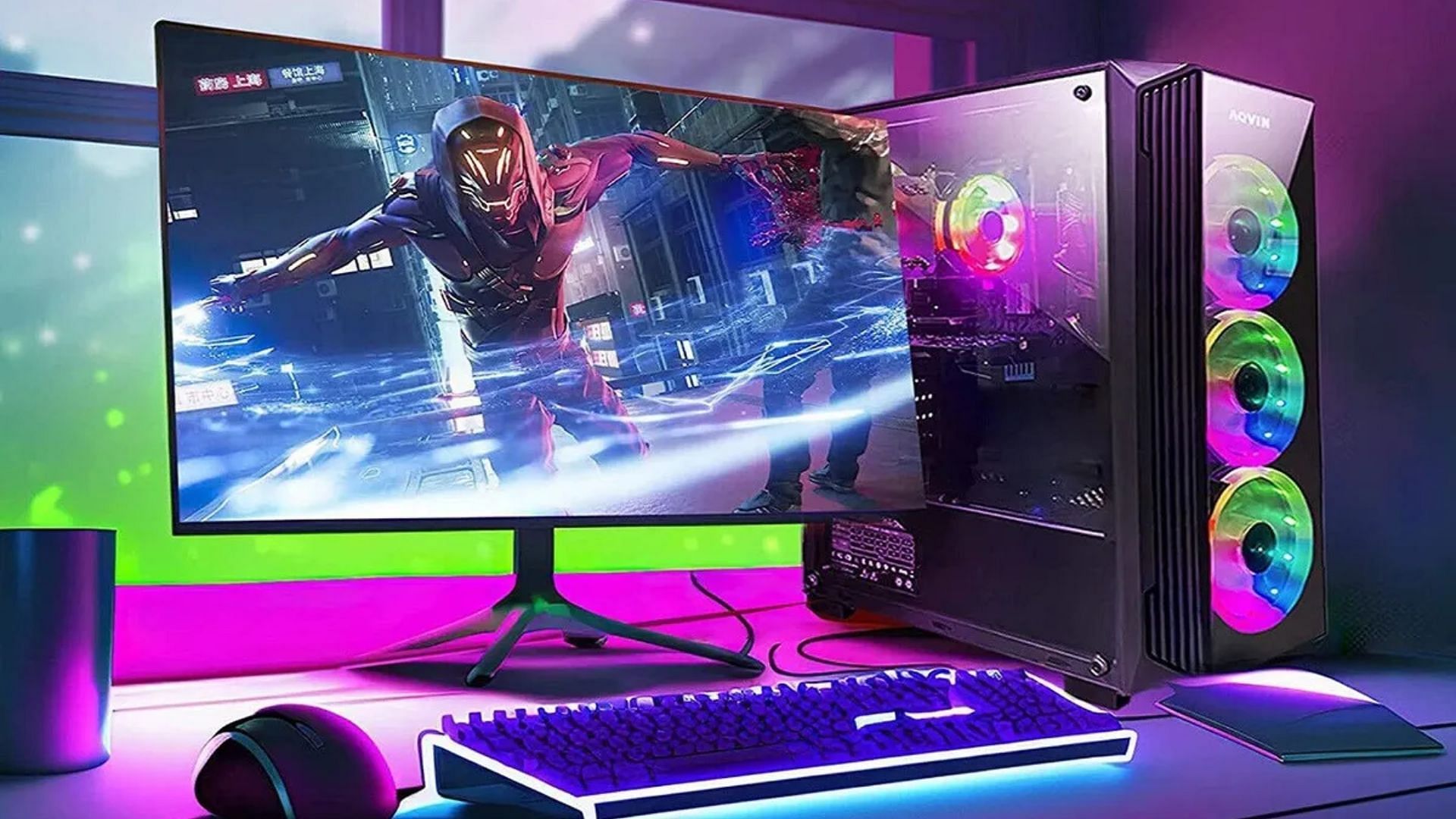
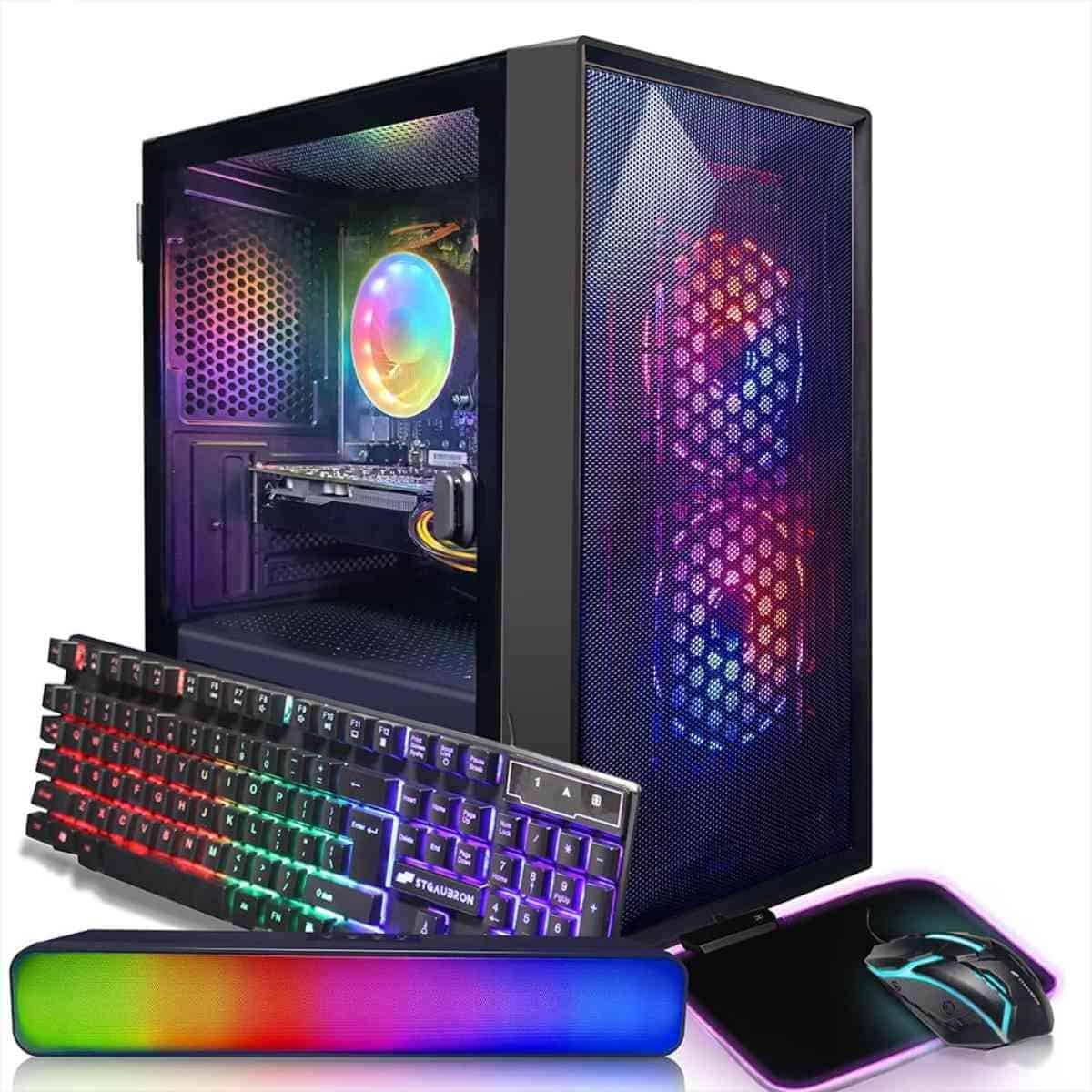
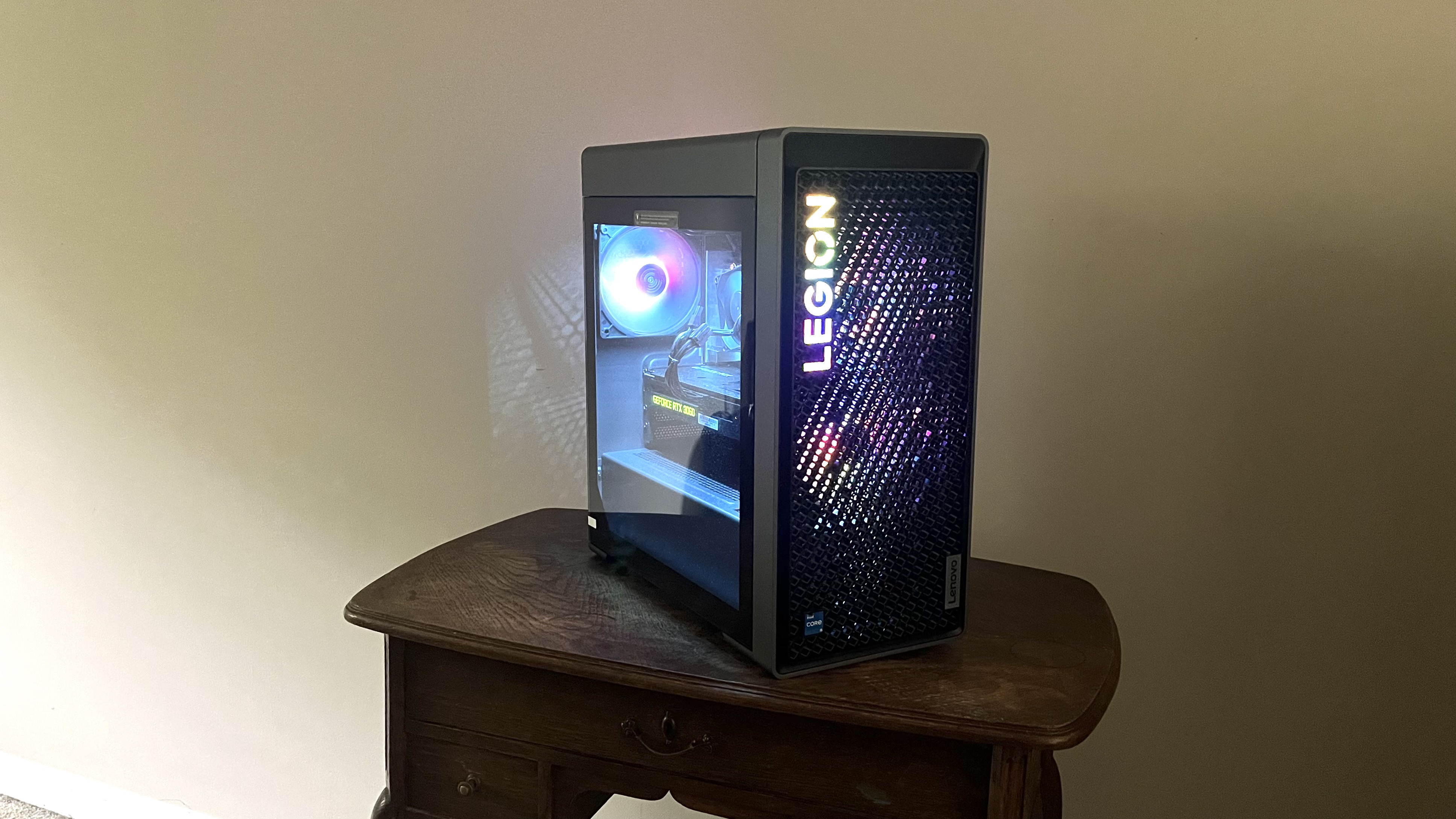
In 2026, an inexpensive gaming computer is typically a desktop PC priced between $600 and $900 that delivers reliable 1080p performance (60+ FPS) in most current popular games, including esports titles and many recent AAA releases on medium settings. It focuses on smart component choices to offer high value without compromising core gaming functionality, allowing busy adults to enjoy their favorite pastime without a huge financial outlay.
Which components are most critical for budget gaming performance?
For optimal budget gaming performance, the Graphics Processing Unit (GPU) and Central Processing Unit (CPU) are the most critical components. The GPU handles rendering graphics, directly impacting frame rates, while a capable CPU prevents bottlenecks, ensuring smooth overall system performance. Allocate the largest portion of your budget to these two, followed by a fast NVMe SSD for quick loading and 16GB of RAM for smooth multitasking.
Is 16GB RAM enough for inexpensive gaming in 2026?
Yes, 16GB of DDR4 RAM at 3200MHz is considered the sweet spot for an inexpensive gaming computer in 2026. It provides ample memory for nearly all modern games, ensures smooth multitasking, and allows you to run background applications like Discord or a web browser without significant performance degradation. While 8GB can work for some titles, 16GB offers a noticeably better and more future-proof experience.
Can I use an inexpensive gaming PC for streaming or content creation?
An inexpensive gaming PC can handle entry-level streaming and light content creation, especially for less demanding games. Modern CPUs often include integrated encoders, and some budget GPUs offer decent encoding capabilities. However, for professional-grade streaming or heavy video editing, you'll likely experience limitations and might need to upgrade key components like the CPU and RAM or opt for a higher-tier GPU in the future.
What are common pitfalls to avoid when buying a budget gaming computer?
When seeking an inexpensive gaming PC, avoid these common pitfalls: skimping too much on the GPU (the most vital part), overlooking the importance of an SSD (slow loading times kill the experience), choosing a generic or low-quality power supply (risks system stability), buying a system with an outdated CPU and GPU generation, or neglecting cooling. Always check detailed component lists for pre-builts, ensuring reputable brands are used for critical parts.
How do inexpensive gaming computers handle VR or next-gen titles?
Inexpensive gaming computers generally struggle with current-generation VR and the most demanding next-gen titles at high settings. While they can run some VR games at lower settings or achieve playable framerates in less graphically intensive new releases, truly immersive VR and maxed-out next-gen experiences typically require higher-tier GPUs and CPUs. A budget PC will excel at 1080p gaming but has limits for bleeding-edge technology.
Are there any specific brands known for reliable inexpensive gaming computers?
Several brands are known for offering reliable inexpensive gaming computers. For pre-builts, companies like HP (Victus series), Dell (G-series), CyberPowerPC, and iBUYPOWER often have budget-friendly options with solid performance. For individual components, AMD (Ryzen CPUs, Radeon GPUs) and NVIDIA (GeForce GPUs) consistently deliver strong value, while brands like Corsair, Crucial, Kingston (for RAM), and Western Digital/Samsung (for SSDs) are trusted for their quality and affordability.
Are you a dedicated gamer navigating the daily grind of work, family, and adult responsibilities, yet still craving that immersive escape into virtual worlds? You are not alone. With 87% of US gamers regularly diving into games, averaging over 10 hours a week, the desire for high-quality gaming experiences is stronger than ever. But let's be real: funding a top-tier rig when you're also managing a mortgage, car payments, or tuition fees can feel like a boss battle itself. The good news is, you don't need to empty your savings to enjoy the latest titles, connect with friends online, or unwind after a long day. This comprehensive guide is dedicated to helping you discover the best inexpensive gaming computers of 2026, proving that incredible value and performance don't have to be mutually exclusive.
Many gamers, especially those around the average age of 36, struggle with finding the perfect balance: a PC that runs their favorite games smoothly, fits their budget, and doesn't require endless hours of setup or troubleshooting. You want to jump in and play, maybe chill with friends on Discord, or explore a new open world without constant lag or stutter. This article cuts through the marketing hype and provides practical, actionable advice. We'll cover everything from smart component choices and where to find the best deals to optimizing your system for peak performance and balancing your passion for gaming with your bustling life. Get ready to build, buy, and game smarter, making the most of every precious gaming moment without financial stress.
What Defines the Best Inexpensive Gaming Computers in 2026?
In 2026, an inexpensive gaming computer offers a sweet spot: it comfortably handles 1080p gaming at 60+ FPS in most popular titles, often reaching 1440p on medium settings in less demanding games. This means solid performance for esports like Valorant or League of Legends, popular co-op games like Helldivers 2 or Palworld, and even many AAA story-driven adventures from the past year. Crucially, these machines leverage modern, efficient components to deliver excellent value per dollar. They prioritize a capable CPU and GPU combination, adequate RAM, and fast storage without unnecessary frills like excessive RGB lighting or liquid cooling if it impacts the core performance components.
How Much Should I Realistically Spend on an Inexpensive Gaming PC in 2026?
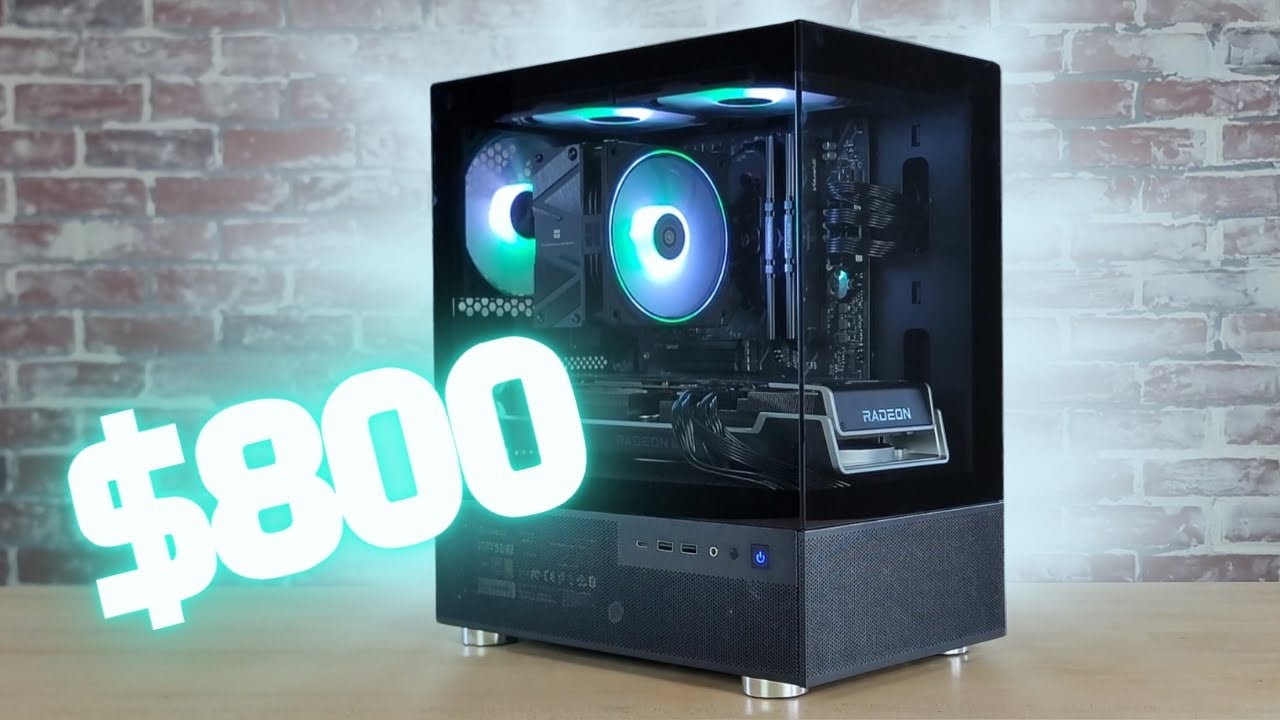
For a truly inexpensive yet capable gaming PC in 2026, expect to spend anywhere from $600 to $900. The $600-$700 range will get you a fantastic entry-level system for 1080p gaming, excelling in esports and older AAA titles. If you can stretch to $800-$900, you'll unlock better performance for newer AAA games at 1080p high settings and some 1440p medium action. Remember, this budget is for the tower itself. Factor in a monitor, keyboard, and mouse separately, though great budget options exist for those too. The key is to allocate the majority of your budget to the GPU and CPU, as they are the primary drivers of gaming performance.
Are Pre-Built Inexpensive Gaming Computers Worth It, or Should I Build My Own?
Both pre-built and custom-built inexpensive gaming computers have their merits in 2026. Pre-builts offer convenience, a warranty for the entire system, and often come with professional cable management. They are ideal for busy adults who want to plug and play without the hassle of assembly. However, building your own can often save you 10-20% on the total cost and gives you complete control over component selection. For many, the peace of mind and time saved with a pre-built outweighs the slight cost difference. Look for reputable brands known for transparent component lists and good customer service when considering pre-builts.
What Are the Essential Components for a Budget Gaming PC in 2026?
For a powerful yet budget-friendly gaming PC this month, focus on these core components:
- CPU (Processor): A modern mid-range CPU like an Intel Core i5 (12th-13th Gen or newer) or an AMD Ryzen 5 (5000 or 7000 series). These offer excellent multi-core performance for gaming and multitasking.
- GPU (Graphics Card): This is your most critical component. Aim for an AMD Radeon RX 6600, RX 7600, NVIDIA GeForce RTX 3050, or RTX 4060. These provide strong 1080p performance and are increasingly available at competitive prices.
- RAM (Memory): 16GB DDR4 RAM running at 3200MHz is the sweet spot. While some games can run on 8GB, 16GB ensures smoother multitasking and future-proofs your system for upcoming titles.
- Storage: A 1TB NVMe SSD (Solid State Drive) is highly recommended. NVMe drives offer incredibly fast load times for games and the operating system, making a noticeable difference in your gaming experience compared to older SATA SSDs or HDDs.
- Motherboard: Choose a reliable budget motherboard compatible with your chosen CPU. Don't overspend here; focus on essential features like enough USB ports and M.2 slots.
- Power Supply Unit (PSU): A reputable 550W-650W 80 Plus Bronze certified PSU will provide stable power and efficiency without being overly expensive.
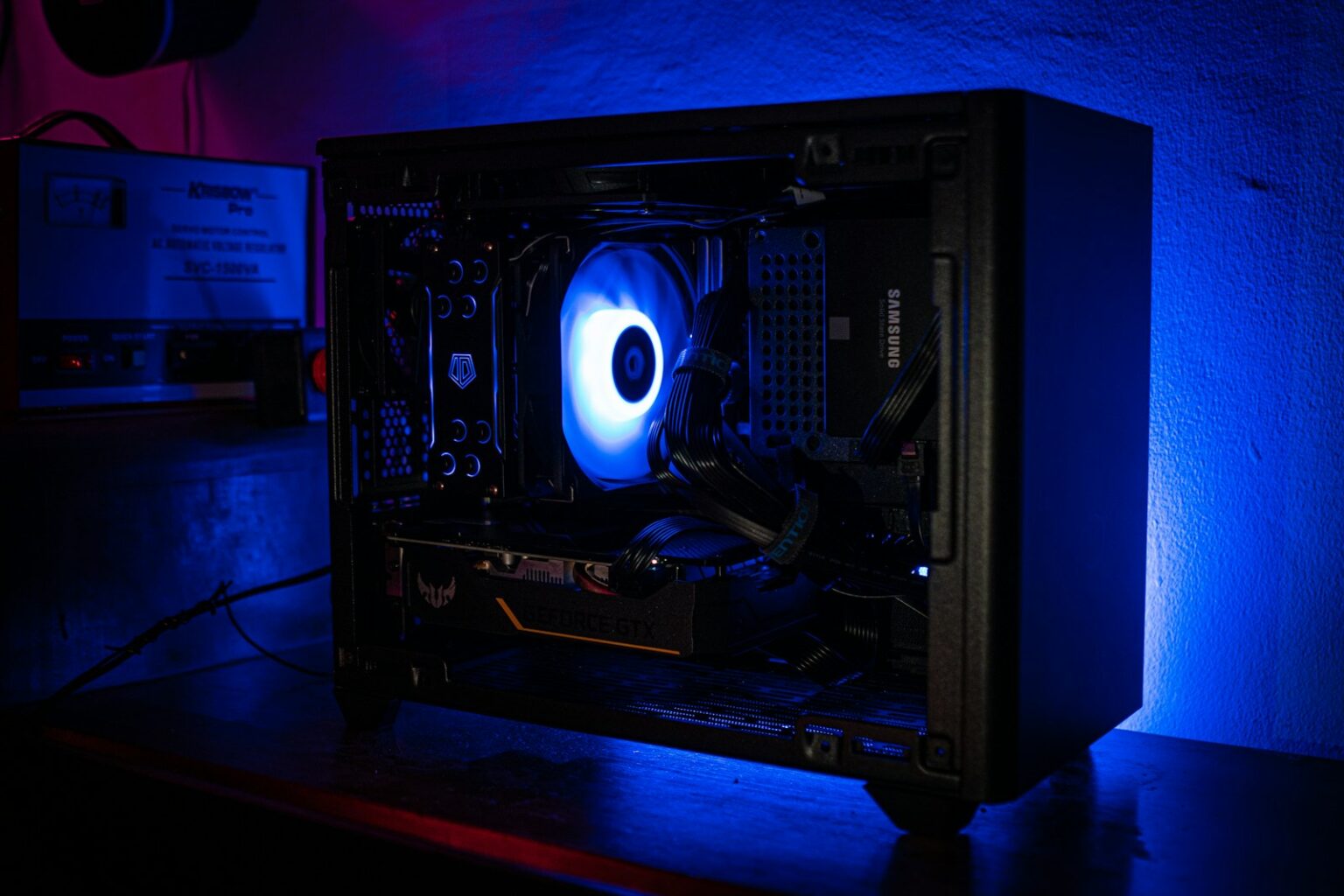
- Case: A well-ventilated case that accommodates your components and allows for good airflow is important, but aesthetics can be secondary for a budget build.
How Can I Optimize an Inexpensive Gaming Computer for Performance Without Spending More?
Getting the most out of your inexpensive gaming computer involves smart software and settings adjustments:
- Update Drivers Regularly: Keep your GPU drivers (NVIDIA GeForce Experience or AMD Adrenalin Software) and Windows updated. This often provides performance boosts and bug fixes.
- Adjust In-Game Settings: Don't blindly crank settings to Ultra. Experiment with graphics options. Lowering shadow quality, anti-aliasing, or volumetric clouds often yields significant FPS gains with minimal visual impact.
- Close Background Applications: Before launching a game, close unnecessary programs running in the background to free up RAM and CPU cycles.
- Game Mode in Windows: Enable Windows Game Mode. It prioritizes your game's resources.
- Overclocking (Cautious): If comfortable, a slight GPU overclock can provide a few extra frames, but research thoroughly and proceed with caution.
- Clean Your PC: Physically clean dust from fans and heatsinks regularly to maintain optimal cooling and prevent thermal throttling.
- Optimize Storage: Ensure your games are on your NVMe SSD. Keep at least 15-20% of your drive free for optimal performance.
What Games Can I Play Smoothly on a Budget Gaming PC in 2026?
A well-chosen inexpensive gaming PC in 2026 will handle a vast library of games. You'll comfortably play popular esports titles like Counter-Strike 2, Valorant, Overwatch 2, and Apex Legends at high frame rates. Many free-to-play games, a major trend with Gen Z/Millennial gamers, such as Fortnite, Genshin Impact, and Warframe, will run beautifully. You can also enjoy recent social and cozy games, ideal for unwinding after work, like Palia, Stardew Valley, or new indie releases. Even many AAA titles from 2023-2025 will be playable at 1080p on medium to high settings, offering an excellent visual experience. Older classics and a vast array of titles on services like Xbox Game Pass will also shine.
How Do I Balance Gaming Time with My Job and Family Life?
Balancing gaming with real-world commitments is a challenge many adult gamers face. Here are some strategies:
- Schedule Gaming Sessions: Treat gaming like any other hobby. Allocate specific, realistic time slots for it in your week.
- Embrace Shorter Play Sessions: Not every game requires a 3-hour marathon. Many games are perfect for 30-60 minute bursts.
- Communicate with Family: Discuss your gaming time with your partner or family to set expectations and avoid conflicts.
- Focus on Social Gaming: Gaming with friends or family online can combine relaxation with social connection, making it more fulfilling and efficient. Discord remains a hub for this.
- Explore Less Time-Intensive Genres: Try strategy games, roguelikes, or puzzle games that don't demand constant attention or long commitments.
- Prioritize Relaxation: Remember why you game. If it becomes another source of stress, re-evaluate. It should be fun and a way to unwind.
Where Are the Best Places to Find Deals on Inexpensive Gaming Computers and Components?
Finding the best deals requires a bit of savvy, but it's well worth the effort:
- Online Retailers: Amazon, Best Buy, Newegg, Micro Center, and Walmart frequently have sales on pre-built systems and individual components. Keep an eye on their daily deals and flash sales.
- Manufacturer Websites: Brands like Dell (Alienware/G-series), HP (OMEN/Victus), CyberPowerPC, and iBUYPOWER often run promotions directly on their sites.
- Refurbished/Used Market: Reputable refurbished retailers like Micro Center or even Amazon Warehouse can offer significant savings. Be cautious with private sellers on platforms like eBay or Facebook Marketplace, ensuring clear return policies or buyer protection.
- Holiday Sales: Black Friday, Cyber Monday, Prime Day, and seasonal sales (like Back-to-School or New Year's) are prime times for discounts.
- Price Trackers: Use tools like PC Part Picker or CamelCamelCamel to track prices and set alerts for desired components.
How Do I Troubleshoot Common Setup and Performance Issues on a New Budget PC?
Even with the best inexpensive gaming computers, you might hit a snag. Here's a quick troubleshooting guide:
- No Display: Ensure your monitor cable is plugged into the graphics card's port, not the motherboard's integrated graphics port. Check all power connections.
- Games Crashing: Update GPU drivers. Verify game file integrity through Steam or Epic Games Launcher. Monitor temperatures to rule out overheating.
- Low FPS: Revisit in-game graphics settings. Check if your monitor's refresh rate is set correctly in Windows display settings. Ensure Windows Game Mode is active.
- Slow Boot/Loading: Confirm your operating system and games are installed on the NVMe SSD. Check SSD health using a utility like CrystalDiskInfo.
- Audio Issues: Check default audio output devices in Windows sound settings. Ensure drivers are updated.
- Unusual Noises: Identify if it's a fan (clean it) or a hard drive (if you have one, back up data as it might be failing).
Can an Inexpensive Gaming Computer Be Upgraded Later On?
Yes, one of the major advantages of a PC, even an inexpensive one, is its upgradeability. A smart initial purchase can set you up for future improvements:
- CPU: If your motherboard supports it, you might be able to upgrade to a faster CPU within the same generation or socket type.
- GPU: This is often the easiest and most impactful upgrade. As new graphics cards are released, older, more powerful models become more affordable.
- RAM: Most budget PCs come with two RAM slots. If you start with 8GB, adding another 8GB stick is a simple performance boost. If you have 16GB, you can sometimes upgrade to 32GB.
- Storage: Adding more NVMe SSDs or a larger SATA SSD is usually straightforward, especially if your motherboard has multiple M.2 slots.
- Power Supply: If you upgrade to a significantly more powerful GPU, you might need to upgrade your PSU to match its power demands.
Always check your motherboard's specifications for compatibility before purchasing any upgrade components.
Conclusion: Game Smart, Not Harder
Navigating the world of gaming PCs as a busy adult gamer doesn't have to be a battle of budget versus performance. The best inexpensive gaming computers of 2026 offer an incredible opportunity to enjoy your favorite titles, stay connected with friends, and unwind without breaking the bank. By making informed choices on components, optimizing your settings, and leveraging smart buying strategies, you can achieve a fantastic gaming experience that perfectly complements your life. Remember, gaming is about relaxation, fun, and connection, and an affordable rig can deliver all that and more.
What's your biggest gaming challenge with a limited budget? Comment below!
FAQ Section
Is a budget gaming PC good for streaming?
While high-end streaming benefits from more powerful components, a capable inexpensive gaming PC can handle basic streaming, especially for less demanding games or using software encoding. You might need to adjust game settings for optimal streaming performance, prioritizing smooth gameplay for your audience.
How long do inexpensive gaming computers last?
With proper care and occasional upgrades, an inexpensive gaming PC can easily last 3-5 years. The core components will remain capable for a good while, and strategic GPU or RAM upgrades can extend its lifespan for modern titles significantly.
Can I play VR games on a budget gaming PC?
Some entry-level VR experiences might be possible on the higher end of the inexpensive gaming PC spectrum, but a truly immersive and smooth VR experience generally requires more powerful graphics cards and CPUs than typically found in budget builds. Always check specific VR headset requirements.
What's the best operating system for a budget gaming PC?
Windows 10 or Windows 11 are the best operating systems for a budget gaming PC due to their broad game compatibility, driver support, and gaming-specific features like Game Mode. Both offer similar performance for gaming, with Windows 11 having a more modern interface.
Should I buy a gaming laptop or an inexpensive gaming PC desktop?
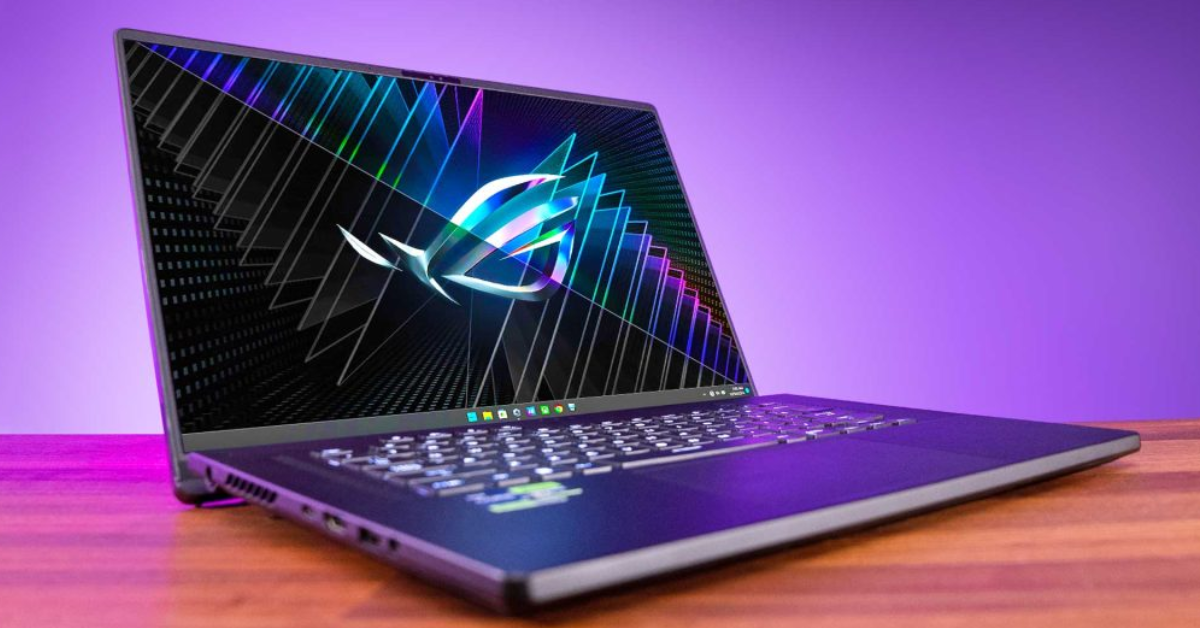
For pure value and upgradeability, an inexpensive gaming PC desktop almost always wins. Gaming laptops offer portability, but you pay a premium for that. If you primarily game at home, a desktop provides better performance per dollar and is easier to maintain/upgrade.
What are common mistakes to avoid when buying a budget gaming PC?
Avoid buying an underpowered GPU, skimping on an SSD, or choosing a generic power supply. Also, be wary of deals that seem too good to be true, especially from unknown sellers, and always check component specifics rather than relying on vague descriptions.
How can an inexpensive gaming PC help with stress relief?
Gaming provides a fantastic avenue for stress relief by offering a controlled environment for problem-solving, a creative outlet, and a social space. Even on a budget machine, engaging in a story-rich single-player game or enjoying casual multiplayer with friends on Discord can provide a much-needed mental break from daily pressures.
Budget Gaming PC Essentials Performance Optimization Smart Buying Strategies Prebuilt vs Custom Builds Upgradeability Game Recommendations Life Balance Tips
35
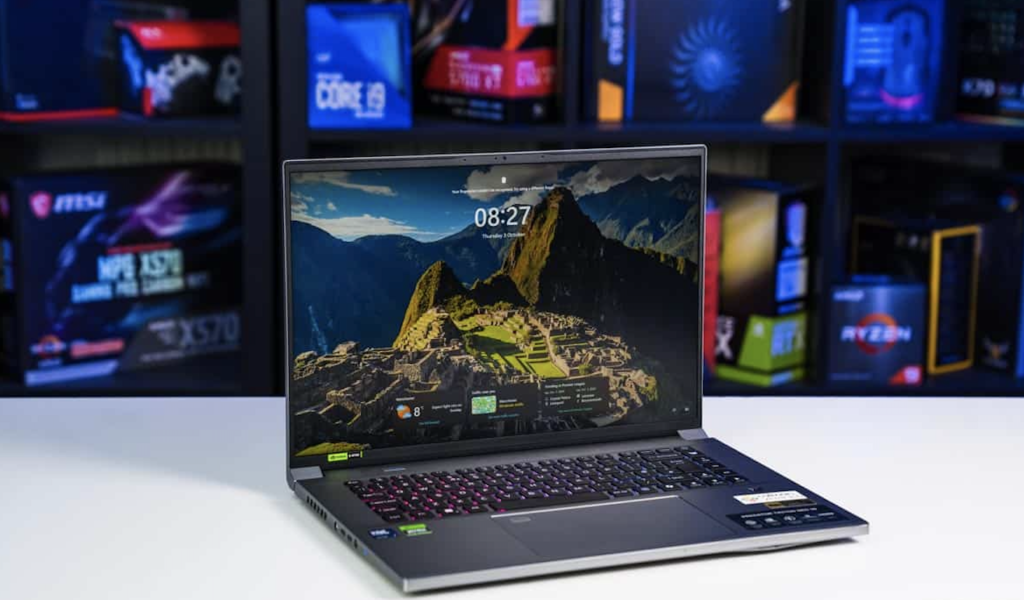


The Best Cheap Gaming Laptops For 2026 Tested For Gaming Top 3 Gaming Laptops Of 2026 - The Ultimate Guide . Best Budget Gaming Laptops 2026 Top Value Picks Best Budget Laptops For Gaming 2026 1024x600 . The Best Gaming Laptops Of 2026 At CES YouTube . Best Budget Gaming PC Builds For 2026 500 800 Best Budget Gaming PC Builds For 2026.webp. Best Inexpensive Gaming Computer 2026 Bud Gaming PC Guru Best Inexpensive Gaming Computer Featured


The 3 Best Budget And Cheap Gaming Laptops Of 2026 RTINGS Com Best Budget And Cheap Gaming Laptops 20241010 2 Medium . Best Cheap Gaming PC In 2026 Top 5 Best Cheap Gaming PC In 2026 YouTube . Top 4 Best Budget Gaming Laptops In 2026 YouTube . BEST Budget Gaming Laptops To Buy 2026 YouTube . 10 Best Budget Gaming PCs Under 700 June 2026 Guide Featured Image P8ralnf9 300x210


Best Graphics Cards In 2026 I Ve Tested Pretty Much Every AMD And . 8 Best Budget Gaming Laptops In 2026 PCVenus MSI Thin A15 Gaming Laptop.webp. Best Inexpensive Gaming Computer 2026 Bud Gaming PC Guru 818pGIMxwBL . 225 000 000 000 Attacks Per Day Computer Users And . Best Budget Gaming Laptops 2026 YouTube



Best Budget Gaming Pc Build BEST GAME CONSOLE Best Gaming Pc . Good Cheap PC Is It Real For You 8ca85 1920 . Best Inexpensive Gaming Computer 2026 Bud Gaming PC Guru 81BwmbjznXL . Best Cheap Gaming Laptops In UK For 2026 Budget Picks Best Gaming Laptops 2026 UK GAMINGPC4U . Best Gaming PC Builds For 2026 Best Gaming PC Builds For 2026.webp

Gaming Laptops Are They Truly Worth It In 2024 Gaming Laptops . Best Budget Gaming PC Top Picks For 2026 9meters Qagzdcgb7go 1536x1024 . Best Cheap Gaming PC Under 500 2024 Budget 1080p Build STGAubron Gaming PC RTX 2060 . Good Cheap PC Is It Real For You . Best Gaming Laptops In 2026 Life Style Tech And Digital Whisk 1024x559


7 Best Budget Gaming PCs In 2026 Best Budget Gaming PC 1024x574 . Best Cheap PC Upgrades For 2026 Make Your Old Gaming PC FAST Again . Best Laptops 2020 Under 500 Best Cheap Gaming Laptops Header . Best Laptops 2026 Top Picks For Every Budget Use Case Xthe Best Laptops 2026 Top Picks For Every Budget Use Case 750x350 . Best Budget Gaming PC Builds For 2026 500 800


The Best Budget Gaming PC In 2025 Our Top Picks For Great Gaming At A . 2025 S Best Budget Gaming Laptops Find The Best Deal Today BEST VIDEO GAMING LAPTOPS UNDER 1500 DOLLARS . The Best Gaming PC Of 2026 Top Prebuilt Desktops Gaming Pc . 11 Top Cheap Gaming PC Builds For 2026 Savings Grove 11 Top Cheap Gaming Pc Builds For 2026 Pin S11 20260325 035007 . What Was The Top PC Gaming Experience Best Gaming Desktops