Hey everyone! Navigating the world of property can be a bit of a maze, especially when it comes to understanding legal terms like 'dwelling house definition'. It's not just some obscure legal jargon; this concept truly impacts your home, your insurance, and your rights as a property owner or tenant. We've gathered the most common questions people are asking online, the ones you see popping up in 'People Also Ask' sections, to give you the ultimate, updated guide. Whether you're buying, selling, renting, or just curious, getting these definitions straight is super important. Let's dive in and clear up any confusion you might have about what really makes a house a home, in the eyes of the law. You’ll find all the key info here!
Understanding the Core Concept
What is the basic dwelling house definition?
A dwelling house, at its most fundamental, refers to a building or part of a building that is used or intended to be used as a home or residence. It's essentially a place where people habitually live, sleep, cook, and carry out their daily domestic activities. The key focus here is on the human habitation aspect, distinguishing it from structures like sheds or commercial buildings. This definition underpins many legal and insurance contexts.
How does 'dwelling house' differ from 'house'?
While often used interchangeably in casual conversation, 'dwelling house' carries a more specific legal and regulatory weight than the general term 'house'. A 'house' can simply refer to any building where people reside, but a 'dwelling house' specifically emphasizes its primary use for permanent human habitation, including features necessary for living. This legal precision is vital for zoning, insurance, and property law. It helps clarify specific rights and obligations.
Legal Interpretations and Nuances
What are the legal implications of a dwelling house classification?
The classification of a structure as a dwelling house has significant legal implications across various fields. For instance, in criminal law, it affords special protections against unlawful entry. In property law, it dictates certain rights for owners and tenants. Moreover, local zoning ordinances use this classification to regulate residential areas, controlling what can be built and how it can be used. It truly impacts a wide range of legal scenarios.
Does the definition vary by state or jurisdiction?
Yes, absolutely. While the core concept of a dwelling house remains consistent, its specific legal definition can indeed vary slightly between different states, counties, and even municipal jurisdictions within the United States. These variations often arise from local statutes, case law, and specific regulatory frameworks like building codes or insurance regulations. It is always wise to consult local laws or legal professionals to understand the exact definition applicable in your specific area.
Insurance Perspectives on Dwellings
How does a dwelling house definition affect home insurance?
The dwelling house definition is absolutely critical for home insurance policies. It precisely determines what structures on your property are covered under the 'dwelling' portion of your policy, which typically includes the main residence and attached structures. This classification dictates the extent of coverage for damages, perils, and even liability, ensuring your primary living space is adequately protected. Understanding this helps you confirm proper coverage for your home.
Are detached structures covered as part of a dwelling house?
Typically, detached structures like separate garages, sheds, or guest houses are *not* considered part of the main dwelling house itself under insurance policies. Instead, they are usually covered under a separate category within your homeowner’s policy, often referred to as 'other structures' coverage. While they are on the same property, they fall under a different set of coverage limits and conditions. Always check your specific policy details for clarity.
Zoning and Building Code Implications
How do zoning laws define a dwelling house?
Zoning laws define a dwelling house to regulate land use and ensure orderly community development. These definitions specify the types of residential structures permitted in different zones, like single-family, multi-family, or mixed-use areas. They also dictate requirements such as minimum lot sizes, setbacks, and density, ensuring that residential buildings meet community planning objectives. This helps maintain neighborhood character and prevents overcrowding.
What building code requirements apply to dwelling houses?
Building codes impose specific requirements on dwelling houses to ensure safety, habitability, and structural integrity. These codes cover aspects like construction materials, electrical systems, plumbing, fire safety, and energy efficiency. They are designed to protect occupants from hazards and ensure a minimum standard of living. Compliance with these codes is mandatory for new construction and significant renovations to any residential building. Permits are typically required to ensure adherence.
What Qualifies as a Dwelling?
Can a mobile home or RV be considered a dwelling house?
Yes, a mobile home or an RV can indeed be considered a dwelling house, but it often depends on the specific context and permanence. If a mobile home is permanently affixed to a foundation and connected to utilities, it's typically treated as a dwelling. Similarly, an RV might qualify if it's used as a permanent residence and meets local codes for stationary living. However, an RV used for temporary travel usually wouldn't fit this legal definition. It’s all about the intent of permanent habitation.
Is a vacant house still a dwelling house?
Generally, a vacant house can still be classified as a dwelling house, especially if it retains the essential characteristics and intent for human habitation. The temporary absence of occupants does not immediately change its fundamental nature. However, prolonged vacancy can sometimes impact insurance coverage or lead to different classifications in certain legal scenarios, particularly if the property falls into disrepair. The primary intent and physical capacity for residential use remain key.
Common Misconceptions Clarified
Is a dwelling house always a single-family home?
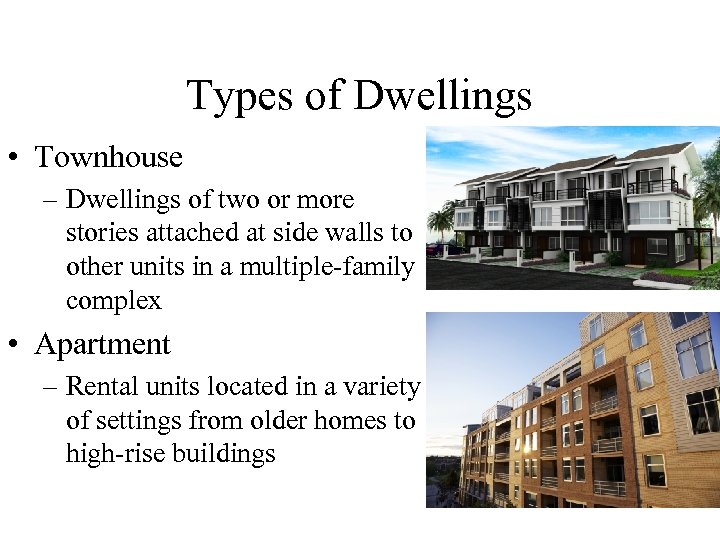
No, a dwelling house is definitely not always limited to being a single-family home. The definition broadly encompasses any building or portion of a building intended for residential use. This means it can include apartments, condominiums, townhouses, and even duplexes. As long as the structure or unit provides facilities for permanent human habitation, it can be classified as a dwelling house, regardless of its specific architectural style or occupancy type. It’s about the function, not just the form.
Differentiating Dwelling from Other Structures
How is a dwelling house different from an accessory structure?
A dwelling house is fundamentally different from an accessory structure because it serves as the primary place of human habitation, complete with essential living facilities. Accessory structures, such as sheds, detached garages, or gazebos, are secondary buildings on the property. They typically lack the full amenities for permanent living and serve supporting roles for the main dwelling. Their purpose is usually storage or recreation, not primary residence. This distinction is crucial for both zoning and insurance.
Impact on Property Taxes and Valuation
How does dwelling status affect property taxes?
A property's status as a dwelling house significantly impacts its property tax assessment and valuation. Residential properties are typically taxed differently than commercial, industrial, or vacant land. The presence of a dwelling often increases the assessed value, leading to higher taxes. Moreover, many jurisdictions offer homestead exemptions or other tax breaks specifically for primary dwelling houses, providing some financial relief for owner-occupied residences. The classification is really important for your tax bill.
Renter vs. Owner Perspectives
Does the dwelling house definition apply to rental properties?
Yes, the dwelling house definition absolutely applies to rental properties, as they are used or intended for human habitation. For renters, this classification is critical because it triggers landlord-tenant laws, establishing rights and responsibilities for both parties regarding habitability, maintenance, and eviction procedures. For landlords, understanding this ensures compliance with housing regulations and proper insurance coverage. It’s the foundational concept for any residential lease agreement.
Future Trends in Dwelling Definitions
Are tiny homes considered dwelling houses?
Yes, tiny homes are increasingly being recognized as dwelling houses, but their classification often depends on local regulations regarding size, foundation, and connection to utilities. If a tiny home is permanently placed on a foundation and meets local building and zoning codes for residential use, it will likely be considered a dwelling. However, if it remains on wheels or is used more like an RV for travel, its classification might be different. Many communities are still adapting their rules to accommodate this growing trend.
Still have questions about your specific situation? It's often best to check with your local planning department or a real estate attorney for tailored advice. What exactly are you trying to achieve with your dwelling?
Dwelling House Meaning, Legal Dwelling Definition, Property Law Dwelling, Home Insurance Dwelling, Residential Property Definition, Zoning Dwelling Rules, House Definition Guide, What Constitutes a Dwelling, Dwelling Unit Explained
Ever wondered what legally constitutes a dwelling house? Understanding this core definition is absolutely crucial for homeowners, renters, and anyone involved in property transactions. It impacts everything from insurance claims and property taxes to zoning regulations and construction permits. Many people often use 'house' and 'dwelling house' interchangeably, but legally, there are significant distinctions that could affect your rights and responsibilities. This comprehensive guide aims to unravel the complexities surrounding the dwelling house definition, offering clear, concise answers to your most pressing questions. We'll explore its meaning in various contexts, including legal, insurance, and municipal perspectives, ensuring you have the solid knowledge you need to navigate the world of property with confidence. Discover why getting this definition right is more important than you might think for your financial well-being and legal security.
Frequently asked questions
What exactly is a dwelling house?
A dwelling house is fundamentally a building, or part of one, used primarily as a home or residence for people. It must be suitable for human habitation, offering essential living facilities like sleeping areas, cooking amenities, and sanitation. This definition is critical across legal, insurance, and zoning contexts.
How does a dwelling house differ from just a house?
While 'house' is a general term, 'dwelling house' carries specific legal weight, emphasizing its purpose for permanent human habitation. It’s about the legal intent and functionality for living, not just any physical structure where someone might stay, impacting rights and responsibilities.
Are mobile homes considered dwelling houses?
Yes, mobile homes can be classified as dwelling houses if they are permanently affixed to a foundation and connected to utilities, serving as a primary residence. This classification often depends on local regulations regarding permanence and residential use, differentiating them from temporary RVs.
What makes a vacant property a dwelling house?
A vacant property can still be a dwelling house if it retains the essential physical characteristics and intent for human habitation. Temporary unoccupancy doesn't alter its fundamental nature, though prolonged vacancy might impact insurance or specific legal categorizations. The capacity for living remains key.
How does insurance define a dwelling house for coverage?
For insurance, a dwelling house is the main structure on your property where you reside, including any attached garages. This definition dictates what falls under your primary home coverage for damages and perils, distinguishing it from detached structures like sheds, which have separate coverage.
Is a condominium unit a dwelling house?
Yes, a condominium unit is typically considered a dwelling unit, and by extension, functions as a dwelling house for its occupants. It’s a self-contained living space within a larger building, providing all necessary facilities for permanent habitation, adhering to residential legal definitions.
Why is knowing this definition important for homeowners?
Understanding the dwelling house definition is crucial for homeowners because it impacts property taxes, insurance coverage, adherence to local zoning laws, and even potential legal disputes. It clarifies your rights and obligations, ensuring proper classification and protection for your most valuable asset.
So, what exactly is a dwelling house, and why does this legal term even matter to you? Honestly, it’s a question many people ask, often without realizing just how much hinges on the answer.
Think about it: from your insurance policy to local zoning laws, the way your home is classified can have huge financial and practical implications. People often assume a house is just a house, right? But in the eyes of the law, there’s a specific definition for a ‘dwelling house’ that distinguishes it from other structures.
This particular distinction isn't just legal jargon; it truly affects how your property is taxed, how it can be used, and what protections you actually have. So, let’s dig a bit deeper into what this essential term truly means.
Understanding the Core Concept of a Dwelling House
At its heart, a dwelling house is essentially a building, or part of a building, that is used or intended for use as a home or residence by one or more persons. This definition emphasizes occupancy and the intent for human habitation. It’s not just about a structure; it’s about its purpose in providing shelter and living space.
What Makes a Structure a Dwelling House?
Well, several factors contribute to a structure being legally recognized as a dwelling house. First, there’s the obvious physical aspect: it must be a substantial building capable of providing shelter. This usually means it has walls, a roof, and basic utilities for living.
- It must offer facilities for sleeping, cooking, and sanitation to support daily living activities.
- The structure needs to be relatively permanent, not a temporary tent or a movable vehicle, although some RVs can qualify in specific contexts.
- Its primary purpose must be for residential occupancy, not commercial or industrial use.
- Crucially, it must be adapted for human habitation, making it safe and suitable for people to live there.
And honestly, these characteristics help differentiate it from, say, a shed or a detached garage, which typically lack those essential living features. It’s about the full living experience, not just storage.
Legal Interpretations and Nuances
The legal definition of a dwelling house can vary somewhat depending on the specific jurisdiction and the context of the law being applied. But generally, the core intent remains consistent across different statutes. Courts often look at the 'use' and 'intent of use' when making determinations.
How Different Laws Define Dwelling Houses
Different areas of law often apply their own specific interpretations of a dwelling house, which can be really interesting. For instance, criminal law might focus on occupancy to protect residents from unlawful entry. Property tax law, on the other hand, might define it to ensure fair assessment based on its residential nature. And building codes will have specific requirements for safety and habitability that only apply to structures considered dwellings. It really just depends on the specific legal lens being used.
- In insurance policies, the dwelling definition is key to determining what structures are covered under your homeowner’s policy.
- For zoning ordinances, it guides where residential properties can be built and what types of residences are permitted.
- Regarding landlord-tenant laws, it establishes the fundamental rights and responsibilities for both parties in a rental situation.
So, understanding these subtle differences is pretty important, honestly, especially if you're dealing with legal paperwork or property disputes. It's not always a one-size-fits-all answer, you know?
I think the most important thing to remember is that it's all about context when defining a dwelling house. What might be considered a dwelling under one law might not quite fit the bill under another, and that's okay. Does that make sense?
Key highlights
Legal definition of dwelling house, Insurance coverage for dwellings, Zoning regulations for residential property, Differentiating dwelling from other structures, Property tax implications of dwelling status, Essential guide for homeowners and renters, Understanding building codes related to dwellings.