Are you wondering what computer monitor is best for gaming in 2026? The digital landscape for gamers is constantly evolving, with new technologies emerging every season. Navigating the myriad of options, from panel types and refresh rates to response times and resolutions, can feel like a daunting quest. This comprehensive guide aims to demystify the complexities of gaming monitors, providing you with actionable insights and up-to-the-minute information to make the perfect choice for your setup. Whether you are a casual player enjoying indie titles or a competitive esports enthusiast dominating leaderboards, understanding these crucial specifications will elevate your gameplay experience. We will explore cutting-edge display innovations, discuss brand-specific advantages, and offer practical tips to match your monitor with your PC hardware and preferred game genres. Prepare to transform your visual experience and gain that critical edge over your opponents with the ideal gaming display. This article provides essential knowledge for every gamer seeking peak performance.
what computer monitor is best for gaming FAQ 2026 - 50+ Most Asked Questions Answered (Tips, Trick, Guide, How to, Bugs, Builds, Endgame)
Welcome, fellow gamers, to the definitive resource for optimizing your visual battlefield in 2026! This living FAQ is your ultimate guide, meticulously updated for the latest monitor technologies, game releases, and hardware demands. Whether you're troubleshooting annoying bugs, eyeing the perfect build, or seeking endgame strategies, understanding your display is paramount. We've compiled over 50 of the most pressing questions from the community, alongside expert answers, tips, and tricks to ensure your monitor choice gives you the ultimate edge. Dive in to elevate your gameplay and dominate every virtual world with crystal-clear precision. This is your essential companion for all things gaming monitors, ensuring you're always one step ahead. Get ready to transform your gaming experience!
Beginner Questions
Is 144Hz enough for gaming in 2026?
Yes, 144Hz is still an excellent standard for smooth gaming in 2026, offering a significant upgrade over 60Hz. It provides fluid motion for most games without demanding excessively powerful hardware, making it a great sweet spot for many gamers.
What is the difference between IPS, VA, and OLED panels?
IPS panels offer superior color accuracy and wide viewing angles, VA panels deliver better contrast and deeper blacks, while OLED panels (including QD-OLED) provide perfect blacks, infinite contrast, and instantaneous response times, representing the premium choice for visuals.
Do I need G-Sync or FreeSync for my gaming monitor?
Yes, adaptive sync technologies like G-Sync (NVIDIA) and FreeSync (AMD) are highly recommended. They synchronize your monitor's refresh rate with your GPU's frame rate, eliminating screen tearing and stuttering for a much smoother gameplay experience.
What resolution is best for a gaming monitor?
1440p (Quad HD) is generally considered the best resolution for gaming in 2026, balancing crisp visuals with manageable performance demands on most modern GPUs. 4K offers ultimate detail but requires top-tier hardware.
How big should my gaming monitor be?
The ideal size often depends on your desk space and viewing distance, but 27-32 inches is popular for immersive gaming. Ultrawide monitors (34-49 inches) offer a panoramic experience but ensure game support.
Builds & Classes
Myth vs Reality: Does a bigger monitor mean more input lag?
Reality: Monitor size itself doesn't inherently cause more input lag; it's more about the monitor's internal processing, refresh rate, and response time. Larger screens can sometimes have more complex processing, but modern large gaming monitors are optimized for low lag.
What monitor features are best for RPGs and single-player games?
For immersive RPGs and single-player titles, prioritize an IPS or OLED panel for vibrant colors and deep contrast, a 1440p or 4K resolution for detail, and possibly an ultrawide aspect ratio for cinematic immersion. High refresh rates are less critical than visual fidelity.
What monitor specs are crucial for competitive FPS gaming?
For competitive FPS, prioritize a high refresh rate (240Hz+), a very low response time (1ms GTG or lower), and G-Sync/FreeSync. Panel type is less critical, but TN or fast IPS/OLED panels are preferred for their speed. Low input lag is paramount.
Myth vs Reality: Are curved monitors just a gimmick?
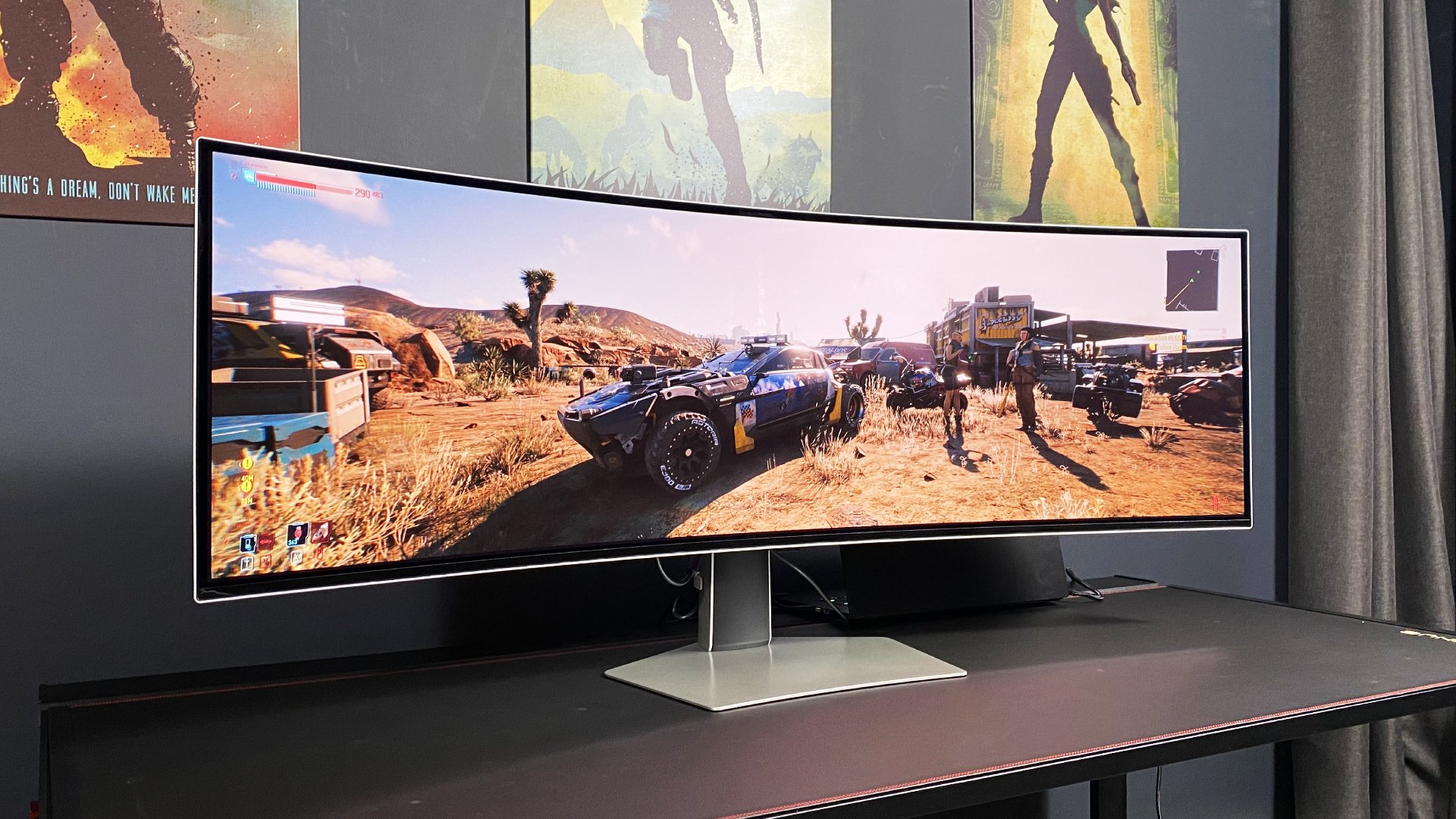
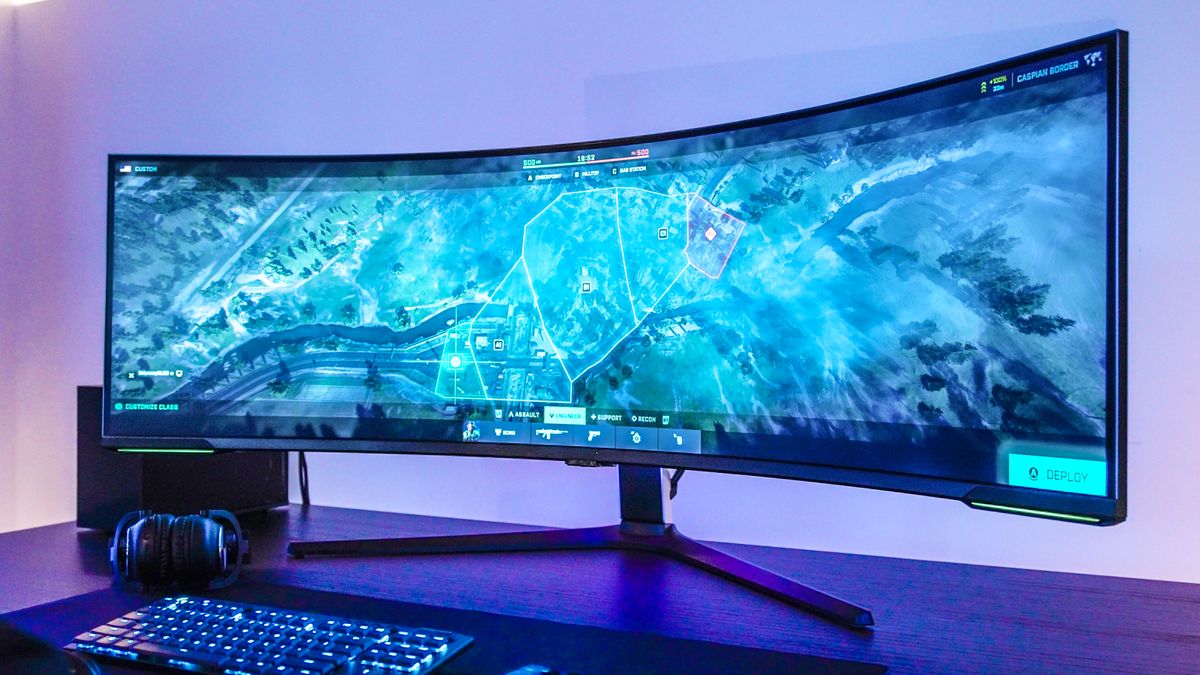
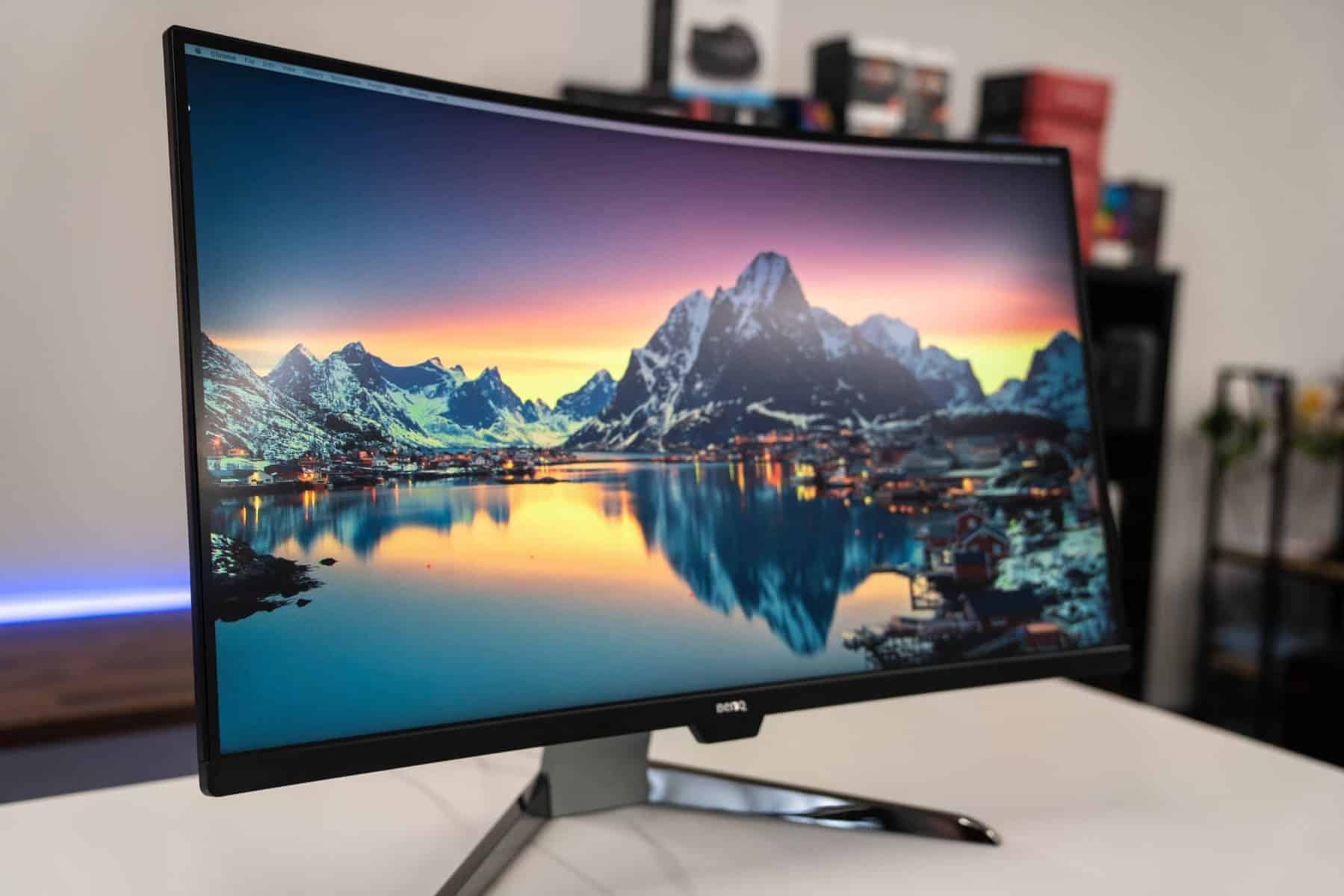
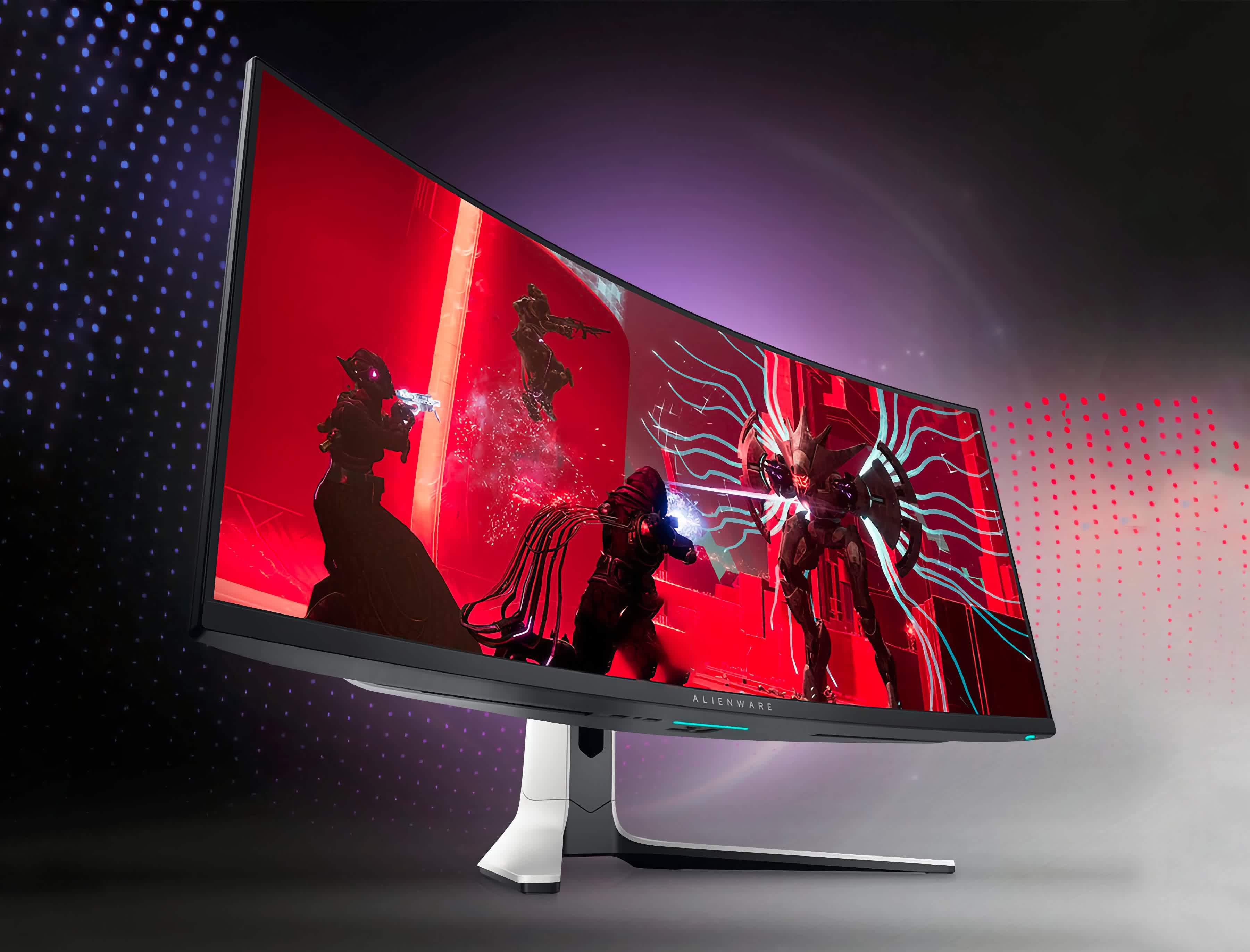
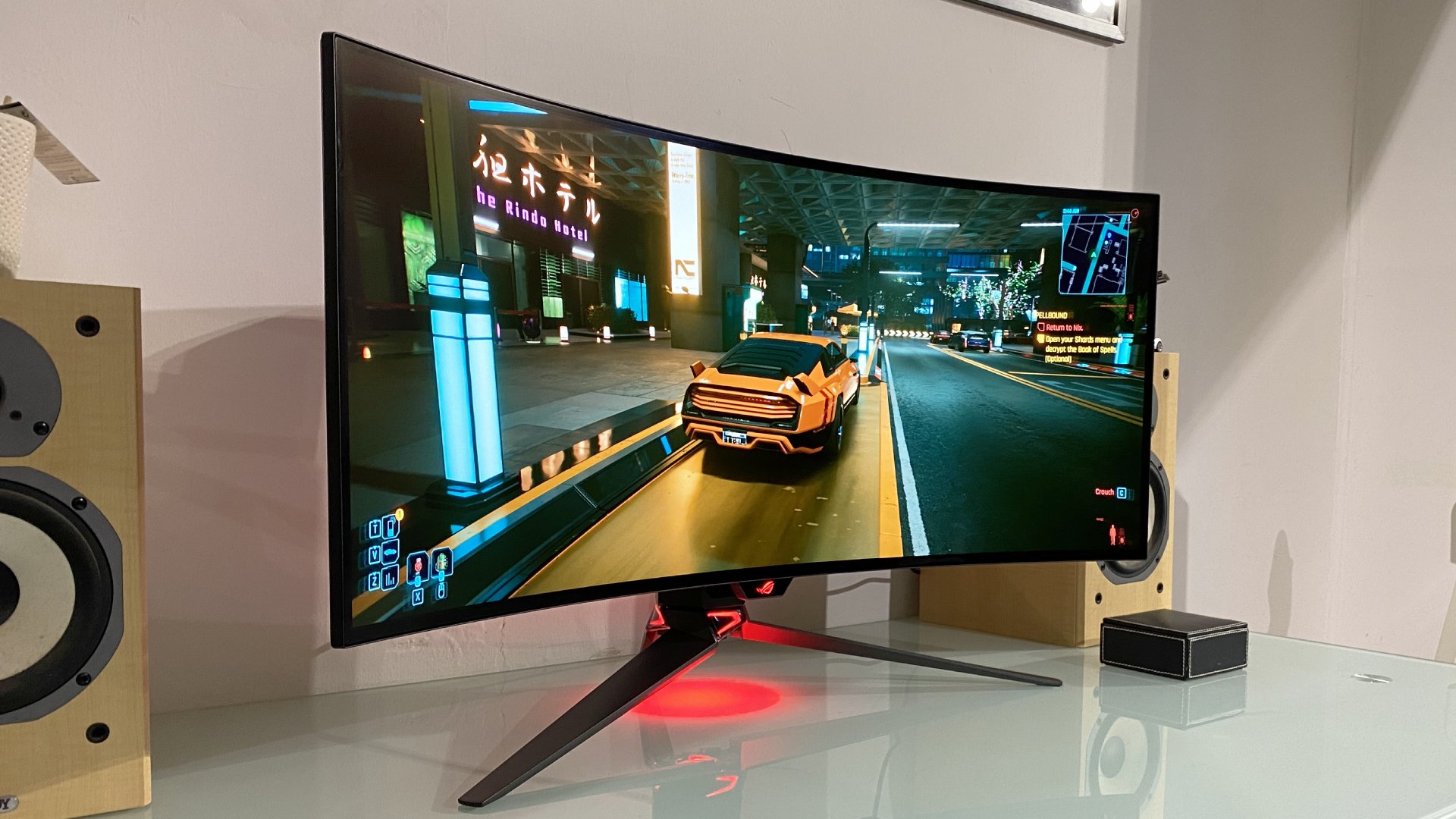
Reality: Curved monitors, especially ultrawides, offer genuine benefits by creating a more uniform viewing distance across the screen, enhancing immersion and reducing eye strain. They are not a gimmick for larger displays, providing a more natural field of view.
Multiplayer Issues
How can a gaming monitor reduce stuttering and lag?
A gaming monitor reduces stuttering and lag primarily through a high refresh rate and adaptive sync (G-Sync/FreeSync). These technologies ensure that frames are delivered smoothly and without tearing, making the on-screen action feel more responsive and consistent.
Endgame Grind
What is HDR, and is it important for a gaming monitor?
HDR (High Dynamic Range) enhances contrast, brightness, and color depth, making games look more vibrant and realistic. It's important for a truly immersive visual experience, but only with proper implementation (e.g., local dimming, high peak brightness) found in quality HDR monitors.
Myth vs Reality: Do high refresh rates impact my GPU's lifespan?
Reality: Running your GPU at high frame rates for a high refresh rate monitor doesn't inherently shorten its lifespan. GPUs are designed to operate under load. Proper cooling and power delivery are far more critical for GPU longevity than the refresh rate of your display.
Bugs & Fixes
How do I fix screen tearing on my gaming monitor?
Screen tearing is best fixed by enabling adaptive sync (NVIDIA G-Sync or AMD FreeSync) if your monitor and graphics card support it. Ensure your monitor's refresh rate is set correctly in your display settings, and your GPU drivers are up-to-date.
My monitor looks washed out; how do I fix the colors?
If your monitor looks washed out, first check your monitor's OSD settings for color profiles, gamma, and brightness/contrast. Ensure you're using the correct display cable (DisplayPort/HDMI 2.0+) and update your GPU drivers. You might also need to calibrate your monitor's colors.
Myth vs Reality: Is burn-in still a major issue for OLED gaming monitors in 2026?
Reality: While OLED burn-in was a concern for older models, 2026 OLED gaming monitors have significantly reduced this risk through advanced pixel shifting, logo brightness reduction, and improved panel technologies. For typical gaming use, it's far less of a concern than it once was.
Tips, Trick & Guide
What is the optimal response time for a gaming monitor?
The optimal response time for a gaming monitor is 1ms GTG (Gray-to-Gray) or lower. This extremely fast pixel transition minimizes motion blur and ghosting, ensuring sharp images even during the most frantic, fast-paced gaming moments.
How important is HDMI 2.1 for a gaming monitor in 2026?
HDMI 2.1 is very important for gaming monitors in 2026, especially for console gamers or PC users pushing high resolutions and refresh rates. It provides the necessary bandwidth for 4K at 120Hz or higher, with features like VRR and ALLM, future-proofing your setup.
What is input lag, and how does it affect gaming performance?
Input lag is the delay between an action (like a mouse click) and its display on screen. High input lag can make games feel unresponsive, significantly hindering competitive performance. Monitors optimized for gaming prioritize minimal input lag for quicker reactions.
Myth vs Reality: Are monitor calibration tools only for professionals?
Reality: While professionals use high-end calibrators, even a basic software calibration or careful manual adjustment can greatly improve color accuracy for any gamer. Understanding your monitor's settings and profiles can unlock its true visual potential, benefiting everyone.
Still have questions?
Don't hesitate to dive into our related guides like 'Optimizing Your PC for High FPS', 'Choosing the Right Gaming Peripherals', or 'Understanding GPU Bottlenecks'. Your perfect gaming setup is just a click away!
So, everyone's asking: "What computer monitor is best for gaming?" It’s a sizzling question on every gamer's lips, isn't it? Choosing the perfect gaming monitor in 2026 feels a lot like picking the right celebrity for your dream team. You need speed, looks, and a performance that truly delivers. You want that immersive experience, where every pixel pops and every frame flows like pure magic. Today, we're diving deep into the dazzling world of gaming displays to help you snag that ultimate visual upgrade. Get ready to transform your gameplay and maybe even impress your friends.
Understanding what makes a gaming monitor truly exceptional can seem overwhelming. There are so many technical terms thrown around, it's easy to get lost. But don't you worry, we're here to break it down for you. Think of us as your personal gaming gurus, guiding you through the hottest trends and must-have features. We'll explore everything from blisteringly fast refresh rates to eye-popping resolutions, ensuring you make an informed decision. This guide will clarify the essential specifications and help you match a monitor to your specific gaming needs.
The Core Elements of a Gaming Monitor in 2026
When you're hunting for the best gaming monitor, a few key specifications always steal the spotlight. These elements define your overall gaming experience. Ignoring them is like showing up to a red-carpet event in sweatpants; it just won't cut it. We need to focus on refresh rate, response time, and panel type. These three factors primarily dictate how smooth and vibrant your games will appear. Each plays a crucial role in delivering a top-tier visual performance. Let's dig into what each one means for your gaming sessions.
Refresh Rate: The Speed Demon
The refresh rate, measured in Hertz (Hz), tells you how many times your monitor updates its image per second. Higher numbers mean smoother motion, reducing blur and making fast-paced games incredibly fluid. For serious gamers, 144Hz is practically the baseline now, but 240Hz and even 360Hz displays are becoming standard. In 2026, we’re seeing new 480Hz prototypes emerging for competitive esports. This speed gives you a critical advantage in intense combat scenarios. You will notice enemies sooner and react more quickly to on-screen events. It truly makes a significant difference.
Response Time: Banishing Ghosting
Response time, typically measured in milliseconds (ms), indicates how quickly a pixel can change from one color to another. A lower response time is better, preventing motion blur and ghosting artifacts. For gaming, you absolutely want 1ms or even 0.5ms GTG (Gray-to-Gray) response times. This rapid pixel transition ensures sharp images even during chaotic gameplay. Modern OLED and advanced IPS panels excel here. Avoiding ghosting keeps your visual field clear and crisp. You will appreciate the clarity during quick camera movements.
Panel Type: The Visual Heart
The panel type greatly influences color accuracy, viewing angles, and contrast. IPS panels offer excellent color reproduction and wide viewing angles, making them great for immersive single-player games. VA panels provide superior contrast and deeper blacks, which is perfect for atmospheric horror titles. TN panels, while having the fastest response times, often compromise on color quality. However, the big news in 2026 is the dominance of OLED and QD-OLED. These technologies deliver perfect blacks, infinite contrast, and incredibly vibrant colors, setting a new benchmark for visual fidelity in gaming. Many pro gamers now demand OLED for its instant pixel response. These advancements bring unparalleled realism to your favorite virtual worlds.
Adaptive Sync: Your Smooth Gameplay Guardian
Have you ever experienced screen tearing? It's where different parts of an image display simultaneously, creating a jagged, unsightly line. Adaptive Sync technologies like NVIDIA G-Sync and AMD FreeSync solve this problem. These systems synchronize your monitor's refresh rate with your graphics card's frame rate. This ensures buttery-smooth gameplay without tearing or stuttering, regardless of your FPS. Most high-end monitors support one or both. Always check for compatibility with your GPU to unlock this crucial feature. It is a game-changer for consistent visual performance. You will enjoy a much more fluid and immersive gaming session. This technology makes a huge impact.
Resolution: How Many Pixels Do You Need?
Resolution refers to the number of pixels on your screen, determining the image's sharpness and detail. Full HD (1920x1080p) remains popular for esports due to its lower GPU demand. However, Quad HD (2560x1440p) is now the sweet spot for many gamers, offering a fantastic balance of visual clarity and performance. For the ultimate visual feast, 4K (3840x2160p) monitors are becoming more accessible, especially with the power of 2026's GPUs. Ultrawide monitors (e.g., 3440x1440p) offer an incredibly immersive experience, expanding your peripheral vision. Consider your graphics card’s capabilities before investing in a higher resolution display. More pixels require more processing power from your PC. You need a powerful GPU to drive these larger resolutions effectively.
Connectivity and Ergonomics: Don't Overlook These
Modern gaming monitors require robust connectivity options. Look for HDMI 2.1 and DisplayPort 2.0 or higher. These ports support higher resolutions and refresh rates, crucial for 2026 and beyond. USB-C with power delivery is also a convenient addition. Furthermore, ergonomics matter for long gaming sessions. A stand that allows for height, tilt, swivel, and pivot adjustments prevents neck and eye strain. VESA mount compatibility offers even more flexibility for custom setups. Investing in a comfortable monitor setup is investing in your gaming longevity. Your body will thank you after hours of intense gameplay. These small details can significantly improve your overall experience.
Wondering if that sleek monitor is truly worth the hype? We get it. Making a significant tech investment like a gaming monitor can feel like navigating a maze blindfolded. But don’t worry, you’ve got a friendly guide here to help you through. Let's break down some common questions and clear up any confusion you might have. You'll be feeling confident about your choices in no time!
## Beginner / Core Concepts
1. Q: What's the most important spec for a gaming monitor if I'm on a budget?
A: If you're starting out and watching your wallet, the refresh rate is your best friend. Aim for at least 144Hz. It’s truly the biggest bang for your buck in terms of making games feel smoother and more responsive. Sure, fancy resolutions and super-low response times are great, but that higher refresh rate will immediately elevate your experience more than anything else at an entry level. You'll notice the difference instantly in faster-paced games like FPS titles, giving you a real edge. Just make sure your graphics card can actually push those frames; a 144Hz monitor paired with an old GPU won't do much good. You've got this!
2. Q: Is 4K really necessary for gaming, or is 1440p good enough?
A: I get why this confuses so many people, especially with all the gorgeous 4K marketing out there! For most gamers in 2026, 1440p is absolutely the sweet spot. It offers a fantastic balance of sharp visuals and manageable performance, meaning your GPU doesn't have to work overtime just to keep up. 4K is stunning, yes, but it demands a top-tier, very expensive graphics card to run games smoothly at high frame rates. If you have a mid-to-high-range GPU, 1440p will give you incredible detail without breaking the bank or sacrificing precious frames. It’s often the smarter choice for a balanced system. Try this approach and see how great it looks.
3. Q: What's the deal with G-Sync and FreeSync? Do I really need them?
A: Oh, the adaptive sync question! This one used to trip me up too. Yes, you really want one of these. G-Sync (for NVIDIA GPUs) and FreeSync (for AMD GPUs, and now often compatible with NVIDIA) essentially eliminate screen tearing and reduce stuttering by synchronizing your monitor's refresh rate with your GPU's frame output. It makes a HUGE difference in visual fluidity, especially when your frame rate fluctuates. It's like having a personal assistant for your visuals, ensuring everything runs perfectly smoothly. Trust me, once you game with adaptive sync, you won't want to go back. You'll experience games as they were meant to be seen. You've got this, just check your GPU compatibility!
4. Q: What's the best panel type for gaming? IPS, VA, or TN?
A: The 'best' panel type really depends on what you prioritize, but for most gamers in 2026, IPS is typically the way to go. IPS panels offer fantastic color accuracy and wide viewing angles, making games look vibrant and beautiful. VA panels provide deeper blacks and better contrast, which is great for atmospheric games, though they can sometimes have slower response times. TN panels are usually the fastest but sacrifice color quality and viewing angles. However, the real game-changers now are OLED and QD-OLED, which combine incredible speed with perfect colors and contrast. If you can stretch your budget, an OLED is truly the premium choice for an unbeatable experience. Consider your budget and preferences, you can't go wrong with modern IPS or OLED. You'll make a great choice!
## Intermediate / Practical & Production
5. Q: Should I prioritize refresh rate or resolution for competitive FPS games?
A: For competitive FPS games, without a doubt, prioritize refresh rate. Seriously, it's the biggest advantage you can give yourself. Seeing your opponents even a few milliseconds sooner because of a higher refresh rate (like 240Hz or even 360Hz) can be the difference between a headshot and getting fragged. While higher resolution (like 1440p) looks sharper, the extra clarity doesn't offer the same competitive edge as sheer speed. Many pros still opt for 1080p at super-high refresh rates because every millisecond counts. Focus on that blazing fast refresh rate and minimal input lag. You'll climb those ranked ladders faster, trust me. You’ve got this, go for speed!
6. Q: How important is HDR for gaming monitors, and is it worth the extra cost?
A: HDR, or High Dynamic Range, can be incredibly important for immersion, but whether it's 'worth it' depends on the quality of implementation. A good HDR monitor delivers brighter highlights, deeper shadows, and a wider color gamut, making games look dramatically more vibrant and realistic. However, cheap HDR implementations (without local dimming or sufficient peak brightness) often look worse than standard SDR. In 2026, true HDR (like HDR1000 or OLED's inherent HDR) is breathtaking for single-player, story-driven games. For competitive gaming, it's less crucial. If you're chasing visual fidelity and have the budget for a quality HDR display, it's a fantastic upgrade. Otherwise, stick with excellent SDR. It's all about balancing your visual desires with your budget. You can find what works for you!
7. Q: What's the ideal monitor size and aspect ratio for immersive gaming?
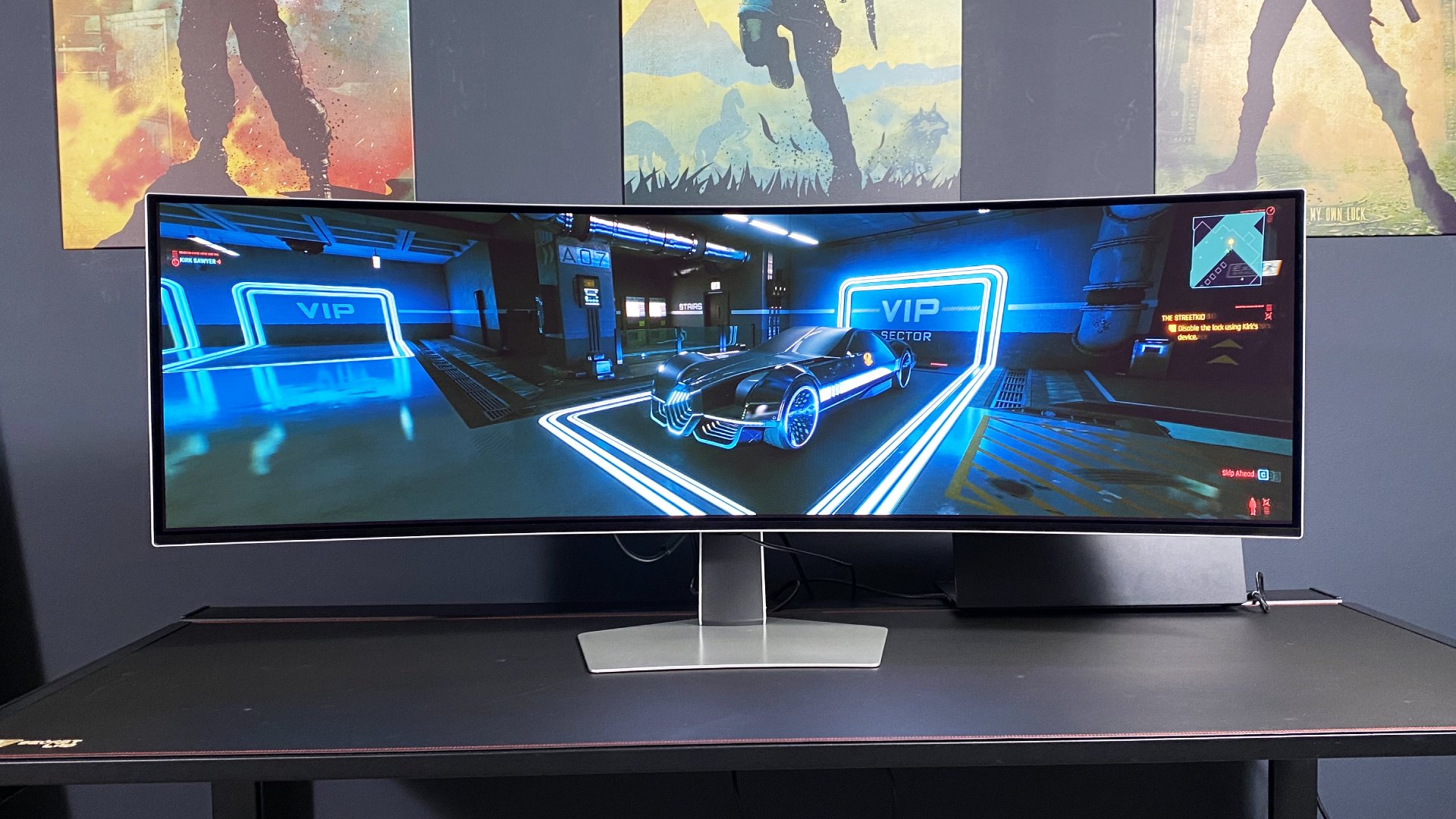
A: This is a fun one, and it really comes down to personal preference and desk space. For a truly immersive experience, many gamers are gravitating towards 32-inch monitors or, even better, ultrawide displays (like 34-inch or 49-inch). Ultrawide monitors with their 21:9 or 32:9 aspect ratios completely fill your peripheral vision, pulling you into the game world like nothing else. They’re fantastic for RPGs, racing sims, and strategy games. However, be aware that not all games fully support ultrawide, leading to black bars. For standard ratios, 27-32 inches at 1440p or 4K offers a great blend of size and detail. Experiment a bit if you can to find your perfect fit. You'll love the bigger picture!
8. Q: How do I know if my PC can handle a high-refresh-rate, high-resolution monitor?
A: That's a super smart question to ask before buying! You'll need to check your graphics card (GPU) and CPU. To push high frame rates at 1440p or 4K, especially at 144Hz+, you're going to need a powerful, relatively recent GPU (think NVIDIA RTX 40-series or AMD RX 7000-series or newer from 2026). Your CPU also plays a role in feeding frames to the GPU. Look up benchmarks for your specific GPU and CPU combo with the games you play at your desired resolution and refresh rate. Tools like MSI Afterburner can monitor your in-game FPS. Don’t bottleneck a great monitor with an underpowered PC! It's all about synergy in your system. You'll figure out the best pairing!
9. Q: Are curved monitors just a gimmick, or do they offer real benefits for gaming?
A: Curved monitors are definitely not just a gimmick, especially for larger displays and ultrawides! They genuinely enhance immersion by making the edges of the screen feel closer and more natural to your eye, reducing eye strain over long periods. For ultrawide monitors, a curve is almost essential to prevent image distortion at the edges. The curve creates a more uniform viewing distance across the entire panel, which is particularly noticeable in first-person games or flight simulators. While not strictly necessary for smaller screens, for anything 27 inches and above, especially ultrawides, a good curve is a fantastic feature. Give it a try, you might be surprised! You’ll love the wrap-around feel.
10. Q: What are the future trends for gaming monitors in 2026 and beyond?
A: In 2026, we’re seeing a big push towards even faster OLED and QD-OLED panels, hitting 360Hz and higher refresh rates at 1440p. Expect more flexible, even rollable, displays for specialized setups, and increased integration of AI-driven upscaling and image enhancement features directly into monitor hardware. MicroLED is also making slow but steady progress, promising even greater brightness and longevity than OLED. We'll also see more monitors with built-in smart features and improved KVM switches. And for VR, advancements in micro-OLED are blurring the lines between monitors and headsets. It’s an exciting time to be a gamer, with so much innovation happening! Keep an eye on these developments. The future is looking bright!
## Advanced / Research & Frontier 2026
11. Q: How do latency and input lag factor into monitor choice for esports professionals?
A: For esports professionals, latency and input lag are absolutely critical, arguably even more so than raw resolution. We're talking about the time delay between your action (like a mouse click) and that action appearing on screen. Monitors minimize this through extremely low response times (sub-1ms GTG) and features like 'reflex latency analyzer' or 'low input lag modes'. These professionals are looking for monitors that not only have high refresh rates but also minimal processing delay. Every millisecond counts for reaction time in competitive play. A monitor might have great specs, but if its internal processing introduces lag, it's a no-go for pros. This is a nuanced area, but vital for true competitive advantage. You need every edge you can get. This truly separates the good from the great!
12. Q: What's the current state of burn-in risk with OLED gaming monitors in 2026, and how are manufacturers addressing it?
A: That’s a super valid concern, and it’s one I get asked about all the time regarding OLEDs! While older OLED tech did have a more pronounced burn-in risk, particularly with static UI elements in games, 2026 OLED gaming monitors have made huge strides. Manufacturers are implementing sophisticated pixel shifting, logo brightness reduction, and refresh cycles to mitigate this significantly. Many now offer extended warranties specifically covering burn-in. While the risk isn't entirely zero, for normal gaming use, it’s far less of an issue than it used to be. You'd have to actively try to induce it with static images for days on end. For competitive or general gaming, the benefits of OLED (infinite contrast, instant response) now heavily outweigh the reduced burn-in risk. Don't let old fears hold you back from stunning visuals! You'll be amazed by the picture quality.
13. Q: Beyond raw specs, what advanced calibration tools or software features should an enthusiast look for in a monitor?
A: For the true enthusiast, going beyond raw specs means diving into calibration and advanced features. Look for monitors that support hardware calibration (where the monitor itself stores the profile), not just software-based. Features like a comprehensive OSD (On-Screen Display) with gamma, color temperature, and six-axis color adjustments are key. Advanced models might include integrated KVM switches, allowing you to use one keyboard and mouse across multiple connected PCs. Also, look for intelligent ambient light sensors that automatically adjust brightness, and robust picture-in-picture/picture-by-picture modes. Some even integrate AI upscaling for non-native resolutions. These features, while not directly impacting FPS, significantly enhance the usability and visual fidelity for a discerning user. It’s all about fine-tuning your perfect visual experience. You'll master this in no time!
14. Q: How will DisplayPort 2.0 and HDMI 2.1 impact high-end gaming monitors in the near future?
A: DisplayPort 2.0 and HDMI 2.1 are absolutely crucial for the bleeding edge of gaming monitors in the near future, specifically 2026 and beyond. These new standards offer significantly increased bandwidth. This extra bandwidth allows for uncompressed 4K at 240Hz, or even 8K at 120Hz, with full HDR and adaptive sync. Without these latest connection types, you simply can't achieve the highest resolutions and refresh rates that new GPUs are capable of producing. HDMI 2.1 is vital for console gamers, especially with features like Variable Refresh Rate (VRR) and Auto Low Latency Mode (ALLM). For PC gamers, DisplayPort 2.0 opens up even more possibilities for multi-monitor setups or extremely high refresh rate ultrawides. They future-proof your investment, ensuring your monitor can keep up with the next generation of hardware. You'll be ready for anything! It's all about staying ahead of the curve.
15. Q: What are the pros and cons of using an ultrawide versus a multi-monitor setup for immersive gaming?
A: This is a classic debate among hardcore gamers, and both have their merits! Ultrawide monitors (especially 32:9 super ultrawides) offer unparalleled seamless immersion within a single display. You get a continuous, unbroken image that wraps around your peripheral vision, which is amazing for single-player RPGs, racing games, or flight sims. The downside is that not all games or applications fully support ultrawide aspect ratios, leading to black bars or stretched UIs. A multi-monitor setup (e.g., three 16:9 monitors) provides massive screen real estate for multitasking and can achieve an even wider field of view in supported games. However, you'll always have bezels breaking the image, which can be distracting. It also requires more GPU power and precise alignment. For pure gaming immersion, a well-supported ultrawide often wins. For productivity and specific simulation games, multiple monitors excel. Think about your main use cases and pick accordingly! You'll find your perfect battle station.
## Quick 2026 Human-Friendly Cheat-Sheet for This Topic
- Go for Speed: Always prioritize a high refresh rate (144Hz+) and low response time (1ms GTG) for smooth gameplay.
- OLED is King (If You Can): For the absolute best visuals and speed, 2026 OLED/QD-OLED monitors are worth the splurge.
- 1440p is Your Friend: QHD (1440p) offers the best balance of visual detail and performance for most systems.
- Adaptive Sync is a Must: G-Sync or FreeSync eliminates screen tearing and makes everything buttery smooth.
- Check Your Ports: Ensure your monitor has HDMI 2.1 or DisplayPort 2.0 for future-proofing with new GPUs and consoles.
- Comfort Matters: Don't forget an adjustable stand for long gaming sessions to keep you comfy.
- Match Your GPU: A powerful monitor needs a powerful graphics card to truly shine – don't bottleneck your setup!
High refresh rates crucial for gaming, Low response times minimize ghosting, Panel types like OLED and IPS offer distinct advantages, Resolution impacts visual clarity and GPU demands, Adaptive Sync technologies are vital, Ergonomics enhance long-term comfort, Future-proofing with HDMI 2.1 and DisplayPort 2.0.
35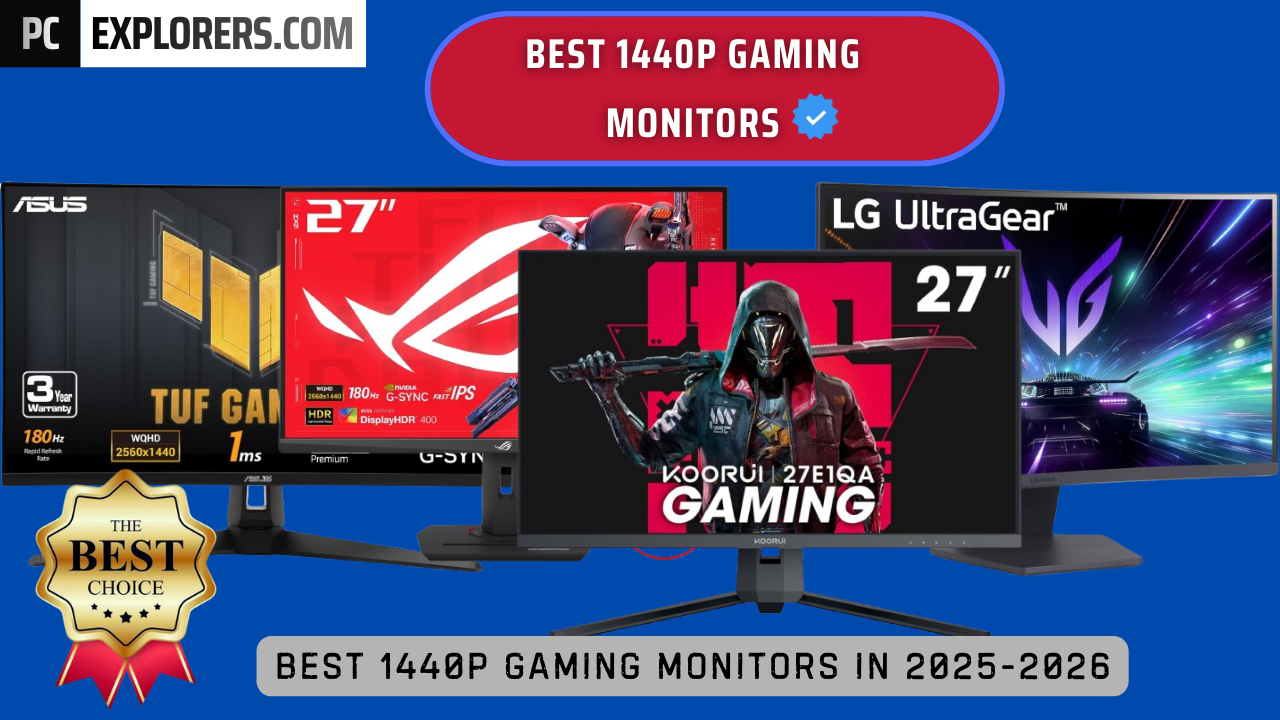
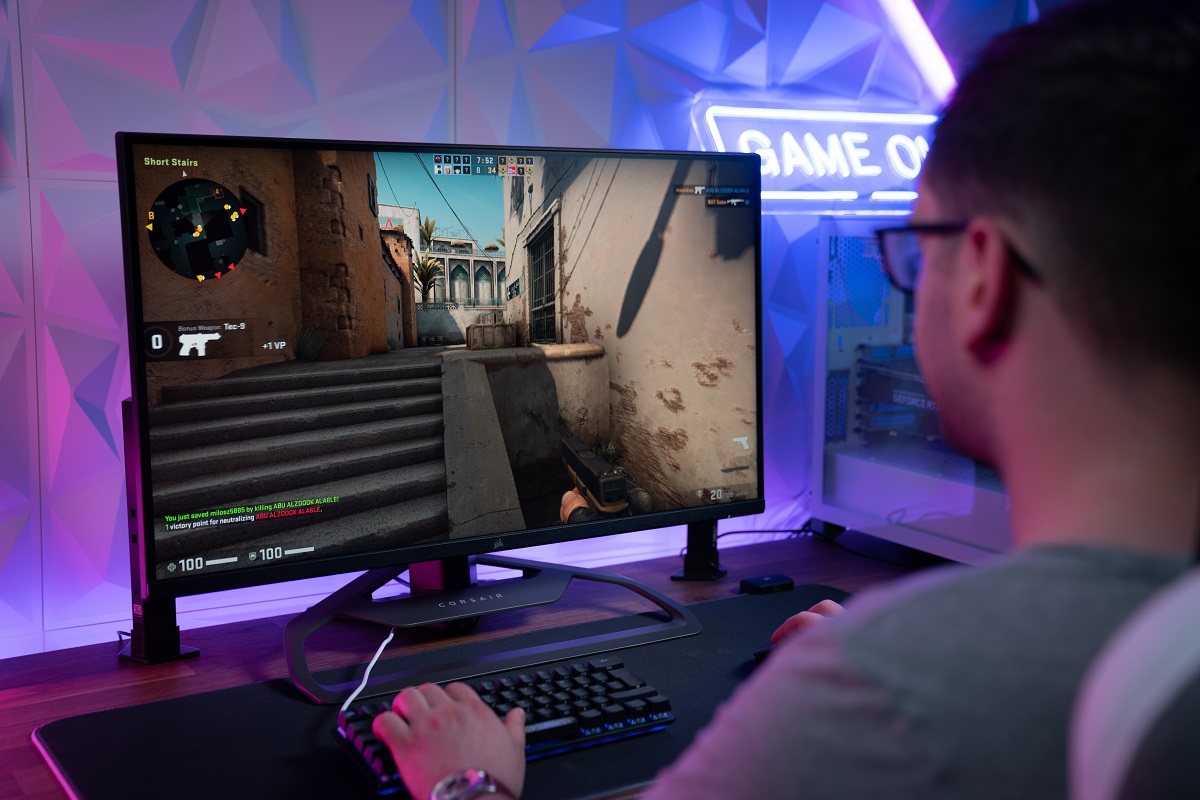

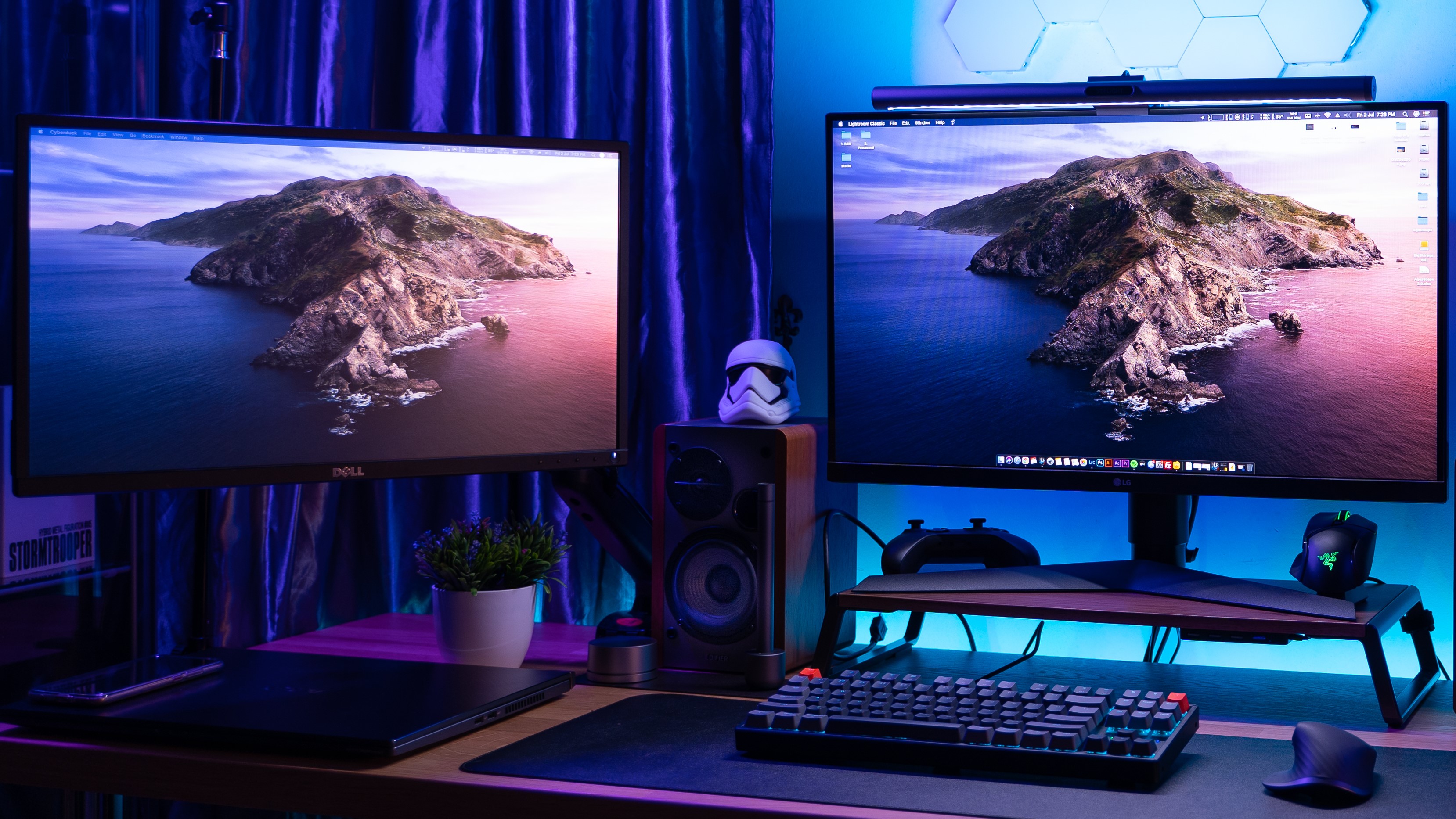
BEST 1440P GAMING MONITORS IN 2025 2026 PC Explorers Best 1440p Gaming Monitors For Gaming In 2025 2026 . Best Gaming Monitors 2026 All Sizes From Premium To Budget Models Best Gaming Monitor . Best 4K Monitor 2026 Options For Gamers Creatives PC Guide Best Pulsar Gaming Monitors . Best Gaming Monitors For 2026 Reviews And Bharat Erberbr . Ripple Voltage How We Test Power Supply Units Tom S Hardware Tom

5 Best Curved Monitors Of 2026 Top Curved PC Monitors Best 4K Monitor . Asus New 5K Gaming Monitor Is So High End It Doesn T Even Officially . Gaming Monitor Guide 2026 Everything You Need To Know London Daily News Gaming Monitor Guide 2026 Everything You Need To Know11. Xiaomi Reveals Global Launches Planned For New G24i 2026 And G27i 2026 Xiaomi 24 And 27 Inch 2026 Launches Kv . 5 Best Curved Monitors Of 2026 Top Curved PC Monitors Best 480Hz Monitor For Gaming


BenQ PD3220U Review 2025 4K IPS Monitor With Thunderbolt 3 Best 24 Inch Monitors . Best 4K Gaming Monitors For 2023 Best 4k Gaming Monitor . Best Ultrawide Gaming Monitors 2023 Immerse Yourself PCWorld Alienware Aw3423dwf 5 . Best Picture Quality Gaming Monitor . How To Upgrade Your Gaming PC 2026 Edition GadgetMates Bg Intro1



Best Monitors For Budget Gaming 2026 Best Mamba Expert Reviews Best Budget Gaming Monitors . ASUS XG27UCDMG Review 2025 Best Value 27 OLED Monitor Best HDR Monitors 1024x576 . Best 360Hz Monitor For Gaming In 2024 Best 240hz Gaming Monitor In 2024 Game Rant Feature . Xiaomi Launches G24i 2026 And G27i 2026 Gaming Monitors In The Xiaomi Launches G24i 2026 And G27i 2026 Gaming Monitors In The Philippines 1024x640 . Best Ultrawide Monitor For Gaming In 2025 The Immersive Panels I


2XKO PC Gamer . CES 2026 AI Intel Cautious GPU Market What To Expect Memesita . AMD Chinese Firm Develop 1000Hz Gaming Monitor 2026 Release World . Best Gaming Monitors In 2025 The Pixel Perfect Panels I D Buy Myself 1920 80 . Best Gaming Monitor Ever Made At Gabriella Raiwala Blog Best Gaming Monitor Lead


Top 5 Best Gaming Monitors For 2025 Ultimate Buying Guide YouTube . Best Gaming Monitors In 2025 Top Picks For PS5 Xbox And PC Tom S Guide 1200 80 . Best Monitors For Gaming And Streaming At Edward Bynum Blog DSC02079 1 Scaled . Best Gaming Monitor Under 300 2022 04 05 Image 19 . The Best Cheap Gaming Laptops For 2026 Tested For Gaming Top 3 Gaming Laptops Of 2026 - The Ultimate Guide 1200x342

Best Ultrawide Monitor For Gaming In 2025 The Immersive Panels I . Best Gaming Monitors In 2026 Find The Perfect Display For You Best Gaming Monitors 768x430 . Graphics Cards Monitors And More Everything ROG . Best Ultrawide Monitor For Gaming In 2025 The Immersive Panels I . Xiaomi G24i 2026 G27i 2026 Gaming Monitors Launched Globally Xiaomi Xiaomi Gaming Monitor G24i 2026 G27i 2026 R65T2 Scaled.webp