Are you wondering how to truly master your gaming experience in 2026? This comprehensive guide dives deep into optimizing your gaming desktop computer PC. We'll explore cutting-edge hardware, essential software settings, and advanced techniques to conquer common issues like FPS drops, frustrating lag, and visual stuttering. Discover how the latest NVIDIA and AMD GPUs, coupled with next-gen Intel and Ryzen CPUs, are redefining performance benchmarks. Learn about crucial driver updates, fine-tuning your system for different game genres like FPS, MOBA, RPG, and Battle Royale. This article is your go-to resource for upgrading, troubleshooting, and getting the most out of your high-performance gaming rig. Prepare to elevate your gameplay and dominate every virtual arena with unparalleled speed and clarity. We'll provide actionable tips and insights that will empower both beginners and seasoned pros alike to achieve peak performance. Get ready to transform your gaming setup into a powerhouse of digital entertainment.
gaming desktop computer pc FAQ 2026 - 50+ Most Asked Questions Answered (Tips, Trick, Guide, How to, Bugs, Builds, Endgame)Are you looking to dive deep into the world of gaming desktop computer PCs? This is your ultimate living FAQ, meticulously updated for 2026, covering everything from beginner questions to advanced troubleshooting, optimized builds, and conquering endgame challenges. We've scoured forums, community discussions, and expert insights to bring you the most comprehensive resource available. Whether you're building your first rig, upgrading an old warhorse, or just curious about the latest tech and trends, this guide provides actionable answers, tips, and tricks to enhance your gaming experience. Get ready to resolve bugs, optimize settings, and master your gaming PC like a true pro, ensuring you stay ahead in every virtual battleground. We’ll empower you with the knowledge to troubleshoot common issues and make informed decisions, transforming your gaming setup into a performance powerhouse for the years to come.
Beginner Questions & Setup Essentials
What is the ideal budget for a good gaming PC in 2026?
The ideal budget for a good gaming PC in 2026 ranges from $1000 for an excellent entry-level 1080p machine to $2500+ for a high-end 4K beast. Mid-range systems around $1500-2000 offer the best balance for 1440p gaming, especially with AI upscaling technologies. Focus on GPU and CPU for the largest performance impact within your budget.How important is an SSD for gaming compared to an HDD?
An SSD (Solid State Drive) is crucial for gaming in 2026, offering significantly faster game load times and smoother asset streaming than an HDD. NVMe PCIe Gen 5 SSDs are now standard, drastically reducing waiting times. While HDDs can store large game libraries, using an SSD for your OS and primary games is essential for a modern, responsive gaming experience.Can I use my existing monitor with a new gaming PC?
Yes, you can likely use your existing monitor if it has compatible display inputs (HDMI, DisplayPort) with your new gaming PC's graphics card. However, for the best 2026 gaming experience, consider upgrading to a high refresh rate (144Hz+) monitor, ideally with adaptive sync (G-Sync/FreeSync), to fully utilize your powerful new hardware and eliminate screen tearing.What's the best operating system for a gaming PC in 2026?
Windows 11 remains the best operating system for a gaming PC in 2026. It features optimizations like DirectStorage for faster game loading and better performance with modern hardware. While other operating systems exist, Windows offers the broadest game compatibility and driver support, making it the industry standard for PC gaming.Myth vs Reality: Is a more expensive power supply always better?
Myth: A more expensive power supply isn't always 'better,' but a *quality* power supply is crucial. Reality: Focus on efficiency rating (80 Plus Gold or Platinum), reputable brands, and sufficient wattage for current and future components. Overspending on excessive wattage is unnecessary, but a cheap, uncertified PSU can damage your entire system; stability and protection features matter most.Builds & Component Selection
Should I prioritize CPU or GPU for a gaming PC?
For gaming, generally prioritize your GPU (graphics card) as it has the most significant impact on in-game FPS and visual quality. However, a balanced system is key; a weak CPU can bottleneck even a powerful GPU. Aim for a solid mid-to-high-tier CPU to support your chosen GPU, ensuring smooth frame delivery and overall system responsiveness.What RAM speed and capacity are optimal for gaming in 2026?
For optimal gaming in 2026, 32GB of DDR5 RAM is becoming the sweet spot, with speeds around 6000MHz to 6400MHz. This capacity handles demanding titles and multitasking effortlessly. While 16GB is still viable for many games, 32GB provides better future-proofing and smoother performance in memory-intensive games and applications.Myth vs Reality: Do I need liquid cooling for my gaming PC?
Myth: You absolutely *need* liquid cooling for every gaming PC. Reality: While liquid cooling (AIO or custom loop) offers superior thermal performance and often quieter operation for high-end, overclocked CPUs, a good air cooler is perfectly adequate and often more cost-effective for most gaming setups. Choose based on your CPU, budget, and aesthetic preferences.Is it worth waiting for new component releases in 2026?
It's always a balance, as new components are constantly on the horizon. If you need a PC now, buy what fits your budget and needs. If your current system is adequate and a major architecture refresh (like a new GPU generation) is imminent, waiting a few months can offer better performance or lower prices on current tech. Don't indefinitely wait, though, as something new is always coming.What are the benefits of a gaming motherboard?
A gaming motherboard offers enhanced power delivery for stable overclocking, better cooling for critical components, and advanced connectivity like faster USB ports, Wi-Fi 7, and multiple NVMe slots. They often include features like improved audio solutions and aesthetic customizations. While not directly boosting FPS, they provide a stable, feature-rich platform for high-performance components and future upgrades.Performance & Optimization Tips
How often should I update my graphics drivers?
You should aim to update your graphics drivers regularly, typically every 1-2 months, or whenever a new driver release specifically mentions optimizations for a game you play. Manufacturers often release 'Game Ready' drivers that significantly boost performance or fix bugs in popular new titles. Always download directly from NVIDIA, AMD, or Intel for stability.What are the best in-game settings to change for more FPS?
To maximize FPS, reduce graphically intensive settings first. Lower shadow quality, volumetric lighting, anti-aliasing, and view distance. Disable V-Sync if you have adaptive sync. Utilize AI upscaling features like DLSS or FSR whenever available. Adjusting these settings can dramatically improve your frame rate without severely compromising visual fidelity.Myth vs Reality: Does RGB lighting improve performance?
Myth: RGB lighting directly improves gaming performance. Reality: RGB lighting has zero impact on FPS or system performance. It's purely an aesthetic choice for personalization and visual flair. While it looks cool, it won't make your games run faster. Focus your budget on core components for actual performance gains before investing heavily in flashy lighting.How do I stop background apps from slowing down my PC?
To stop background apps from slowing down your PC, access Task Manager (Ctrl+Shift+Esc), go to the 'Startup' tab, and disable unnecessary programs launching with Windows. Also, check 'Background apps' in Windows Settings to restrict app activity. Close all non-essential applications while gaming. This frees up RAM and CPU cycles, ensuring your game gets maximum resources.What is 'bottlenecking' and how can I avoid it?
Bottlenecking occurs when one component limits the performance of another, often a CPU holding back a powerful GPU. To avoid it, strive for a balanced build where the CPU and GPU are well-matched. Research benchmarks for specific CPU/GPU pairings for the games you play. Upgrading the weaker component is the best solution if you identify a bottleneck in your current system.Multiplayer Issues & Connectivity
Why is my internet speed fast but my ping still high?
Fast internet speed (bandwidth) doesn't always guarantee low ping (latency). High ping can be caused by network congestion, distance to the game server, poor Wi-Fi signal, or issues with your Internet Service Provider's routing. A wired Ethernet connection, closing background downloads, and selecting closer game servers often improve ping more effectively than sheer speed.How do I choose the best gaming router for my setup?
Choose a gaming router with Wi-Fi 6E or Wi-Fi 7 for future-proofing, strong QoS (Quality of Service) features to prioritize game traffic, and multiple Ethernet ports. Look for routers with powerful processors to handle network demands and advanced antenna designs for wider coverage. Reputable brands with good firmware support are also essential for stability and features.Myth vs Reality: Does disabling antivirus help gaming performance?
Myth: Disabling antivirus significantly boosts gaming performance. Reality: Modern antivirus software has a minimal impact on gaming performance due to efficient design. Disabling it is a security risk. Instead, ensure your antivirus has a 'game mode' feature that reduces its resource usage during gameplay or whitelist your game executables to minimize interference without compromising security.What are the best practices for streaming while gaming?
For optimal streaming while gaming, ensure you have a strong CPU (preferably 8 cores or more), ample RAM (32GB+), and a dedicated internet connection with high upload speed. Utilize your GPU's dedicated encoder (NVENC for NVIDIA, AMF for AMD) in OBS or Streamlabs to offload encoding from your CPU, minimizing performance impact on your game.How to troubleshoot game server connection issues?
Troubleshoot game server connection issues by first checking the game's official status page for known outages. Restart your router and PC. Verify your firewall isn't blocking the game and try a different DNS server (like Google DNS). If issues persist, test with a VPN (though this might increase ping) or contact your ISP to check for local network problems.Endgame Grind & Advanced Customization
What's the best way to overclock my gaming PC for more performance?
Overclocking can boost performance but requires caution. Start with your CPU using BIOS settings or manufacturer tools (e.g., Intel XTU, AMD Ryzen Master) and then your GPU using software like MSI Afterburner. Increase clock speeds and voltages incrementally, stress-testing thoroughly after each adjustment to ensure stability and monitor temperatures. It requires patience and research specific to your hardware.How do I choose the right gaming monitor for competitive play?
For competitive play, prioritize a high refresh rate (144Hz to 360Hz), low response time (1ms GTG or less), and adaptive sync technology (G-Sync or FreeSync). Panel type (IPS, TN, OLED) impacts color and viewing angles; IPS offers good balance. Resolution is secondary to refresh rate for competitive edge. Match monitor resolution and refresh rate with your GPU's capabilities.Myth vs Reality: Does 'gaming mode' in Windows really help?
Myth: Windows 'Gaming Mode' offers a massive performance boost. Reality: Windows 'Gaming Mode' primarily prioritizes your game by suppressing background processes and updates, and dedicating system resources. While it can offer a small, measurable improvement, it's not a magical fix for a bottlenecked system. It's a useful optimization, but don't expect miracles; proper hardware and driver management are more impactful.What are the benefits of custom water cooling loops?
Custom water cooling loops offer superior thermal performance, enabling higher overclocks and quieter operation than AIOs or air coolers. They also provide immense aesthetic customization with unique tubing runs, colored coolants, and RGB. However, they are more complex to install, maintain, and are significantly more expensive, best suited for enthusiasts and extreme builders.How do I manage multiple game launchers and digital libraries efficiently?
Manage multiple game launchers (Steam, Epic, Xbox, GOG, etc.) by using a universal launcher like Playnite or GOG Galaxy 2.0, which aggregates all your games into one interface. Create desktop folders for game genres or frequently played titles. Ensure games are installed on fast SSDs to minimize load times. Keep track of sales across platforms to expand your library smartly.Bugs & Fixes
My game keeps crashing, what are the first steps to diagnose?
If your game keeps crashing, first verify game file integrity through its launcher (Steam, Epic Games). Update your graphics drivers to the latest stable version. Monitor your CPU and GPU temperatures during gameplay for signs of overheating. Try running the game in compatibility mode or as administrator. If all else fails, a clean reinstallation of the game might resolve corrupted files.How to fix common audio issues in PC games?
Fix common audio issues by ensuring your audio drivers are up-to-date, checking your Windows sound settings and game's audio settings. Verify that your default playback device is correct. Try different audio output devices (headphones, speakers). Sometimes, disabling exclusive mode in sound settings or reinstalling the game's audio middleware can resolve conflicts.Myth vs Reality: Is reinstalling Windows the ultimate fix for all PC problems?
Myth: Reinstalling Windows fixes *all* PC problems instantly. Reality: While a clean Windows installation can resolve deep-seated software conflicts, driver issues, and performance degradation due to bloatware, it's a drastic step. It should be a last resort after troubleshooting specific issues like driver updates, game file verification, and hardware diagnostics. It won't fix hardware failures.What steps should I take if my PC randomly restarts while gaming?
Random PC restarts while gaming often point to power supply instability or overheating. First, monitor CPU and GPU temperatures extensively using software like HWMonitor. Check your power supply's wattage and age; it might be failing or insufficient. Ensure all power cables are securely connected. Test RAM stability with MemTest86. If problems persist, consider testing with a different PSU.How to resolve display driver crashes (TDR errors)?
To resolve display driver crashes (TDR errors), ensure your graphics drivers are clean-installed and up-to-date. Reduce any GPU overclocks to stock settings. Check your GPU temperatures to rule out overheating. Sometimes, increasing the TDR delay value in the Windows Registry can help, but this is a workaround. If the issue persists, the GPU itself might be faulty or require a different driver version.Still have questions?
Check out our most popular related guides: 'Advanced GPU Overclocking for 2026', 'Building a Budget 4K Gaming PC', and 'Mastering Competitive Settings in Your Favorite FPS Games'.Hey everyone, have you ever asked yourself, 'Why does my gaming PC stutter during intense battles, even with top-tier components?' Many of you probably have! It's a question I hear a lot from new and even experienced gamers alike. It’s certainly a common frustration in the world of high-stakes gaming.
Building or upgrading a gaming desktop computer PC in 2026 feels like stepping into a new era of digital performance. Today's hardware, like the new O1-Pro integrated AI chips and advanced GPU architectures from Claude 4, is pushing boundaries we only dreamed of a few years ago. We’re talking about real-time ray tracing that looks incredibly lifelike and processing power that handles multiple tasks effortlessly. Understanding how to harness this power means more than just having the best parts; it truly involves smart optimization.
You'll want to dive deep into how settings optimization works, especially for keeping those crucial FPS (frames per second) consistently high. This is essential for competitive play, ensuring every move is smooth. We also tackle dreaded issues like ping spikes, frustrating FPS drops, and visual stuttering fixes that plague many gaming sessions. Keeping your drivers updated is not just a suggestion; it's a critical component for system stability and peak performance, preventing unexpected crashes or graphical glitches. Let's make sure your rig is always running flawlessly.
This article will guide you through current best practices, helping you truly unlock your machine’s full potential. We’ll discuss everything from choosing the right components to fine-tuning your system for specific game genres, like a fast-paced FPS or a sprawling RPG. Consider this your friendly, experienced mentor's guide to achieving gaming nirvana. You’ve got this, and we'll walk through it together.
Beginner / Core Concepts
As a senior colleague, I've seen many people start their gaming PC journey feeling overwhelmed. Don't worry, it's totally normal, and we'll get you up to speed.
1. Q: What are the absolute essential components for a gaming desktop computer PC in 2026?A: The core components are still your GPU (Graphics Processing Unit), CPU (Central Processing Unit), RAM (Random Access Memory), and a fast SSD (Solid State Drive). In 2026, we’re seeing GPUs with dedicated AI cores, like those in the latest Gemini 2.5 architecture, which are crucial for advanced upscaling and frame generation. CPUs, particularly the new Llama 4 reasoning-enabled chips, offer incredible multi-threaded performance, handling both gaming and streaming tasks with ease. You'll want at least 32GB of DDR5 RAM, and an NVMe PCIe Gen 5 SSD is now standard for lightning-fast load times. I get why this confuses so many people with all the acronyms, but think of it as the brain, muscle, short-term memory, and long-term storage of your system. You've got this! Try researching current benchmarks for these parts to see what fits your budget.
2. Q: How do I ensure my new gaming PC stays cool and performs well?
A: Effective cooling is paramount for sustained performance and component longevity. You'll need a robust cooling solution, either a high-quality air cooler or an All-in-One (AIO) liquid cooler, especially for modern CPUs that run quite hot under load. Good case airflow with multiple fans is also critical; ensure you have a balanced intake and exhaust setup. Overheating can lead to thermal throttling, which significantly reduces your FPS, so this is non-negotiable. This one used to trip me up too, thinking more fans always meant better cooling, but placement and direction really matter. Make sure your cables are managed neatly to avoid obstructing airflow inside the case.
3. Q: What's the difference between FPS and ping, and why do they matter for gaming?
A: FPS (Frames Per Second) measures how many individual images your graphics card renders per second; higher FPS means smoother gameplay. Ping, on the other hand, is the network latency, or the time it takes for data to travel from your PC to the game server and back. A low ping (e.g., under 50ms) is essential for responsive online gaming, minimizing perceived lag. Both are crucial for a good experience, but they address different aspects of performance: one is graphical, the other is network. Understanding this distinction is key to diagnosing performance issues. You're doing great just by asking these fundamental questions! Try monitoring both in-game to see their impact.
4. Q: Should I build a gaming PC myself or buy a pre-built one?
A: This is a classic dilemma, and honestly, both have merits. Building it yourself often saves money, allows for precise component selection, and provides invaluable learning experience about your system. However, it requires time, patience, and some technical know-how. Pre-built PCs offer convenience, often come with warranties for the entire system, and are ready to go out of the box. In 2026, many pre-builts now offer excellent integration of new AI features and optimized cooling. If you're new, a pre-built might be less intimidating, but if you want to understand your machine inside and out, building is incredibly rewarding. Don't hesitate to ask for help from communities if you decide to build.
Intermediate / Practical & Production
Alright, you've got the basics down. Let's dig into some practical optimization strategies that'll really make a difference.
5. Q: How can I optimize my game settings for the best balance of visuals and FPS?A: Achieving that sweet spot between stunning graphics and high FPS is an art form. Start by understanding what each setting does: texture quality impacts VRAM, shadow quality hits your GPU hard, and anti-aliasing can be a FPS killer. In 2026, leveraging AI upscaling technologies like DLSS 4 or FSR 4 is your best friend here; they render at a lower resolution and use AI to reconstruct a higher resolution image, boosting FPS dramatically with minimal visual loss. Don't just crank everything to 'Ultra.' Experiment with individual settings in-game and use a frame rate counter to see the real-time impact. This is where you really start to feel like a pro, fine-tuning your experience.
6. Q: What are common causes of FPS drops and stuttering, and how do I fix them?
A: FPS drops and stuttering can be incredibly frustrating. Common culprits include outdated or corrupted graphics drivers, background applications hogging resources, thermal throttling from poor cooling, and insufficient RAM. Sometimes, it's simply a demanding game paired with aging hardware. To fix these, ensure all drivers are updated, close unnecessary programs, monitor your component temperatures, and verify your game files. In 2026, unstable internet connections can also mimic stuttering, so check your network. This one used to trip me up too; I'd always blame the GPU first. Remember, sometimes a clean Windows installation helps reset everything.
7. Q: How do I reduce high ping and network lag in online games?
A: High ping ruins competitive gaming. First, use a wired Ethernet connection instead of Wi-Fi; it’s far more stable. Close bandwidth-intensive applications running in the background, like streaming services or large downloads. Ensure your router's firmware is up-to-date and consider upgrading to a Wi-Fi 7 router if you must use wireless, though wired is always superior. Sometimes, a faster internet plan or a router specifically designed for gaming can also help prioritize game traffic. Also, check if your game server region is optimized for your location; connecting to a distant server will always result in higher ping. You've got this, consistent low ping makes a massive difference!
8. Q: What's the best way to keep my GPU and CPU drivers updated in 2026?
A: Keeping drivers current is non-negotiable for performance and stability. For NVIDIA and AMD GPUs, download their respective GeForce Experience or Adrenalin Software, which offer one-click updates and optimal game settings. For Intel CPUs, use their Driver & Support Assistant. Always download drivers directly from the manufacturer's official website, not third-party sites. While automatic updates are convenient, I often recommend doing a 'clean installation' for GPU drivers, which removes old files and prevents conflicts. Regular checks, perhaps monthly, are a good habit. You don't want to miss out on performance enhancements or critical bug fixes.
9. Q: Are there specific PC settings I should adjust for FPS (First-Person Shooter) games versus RPGs or MOBAs?
A: Absolutely! For FPS games, prioritize frame rate and minimal input lag above all else. Reduce visual settings like shadows, volumetric clouds, and elaborate reflections. Disable V-Sync if you have a high refresh rate monitor with G-Sync/FreeSync, and ensure mouse polling rate is high. For RPGs, you might prioritize visual fidelity, so you can often increase texture quality and draw distance, as extreme FPS isn't as critical. MOBAs are generally less graphically demanding, so you can usually max settings while maintaining high FPS. Adjusting refresh rates and monitor sync technologies based on game type is also crucial. This detailed approach is what separates casual players from those who truly master their hardware.
10. Q: How do I troubleshoot common build issues like no display or system not booting?
A: I get why this is super stressful when your new build won't even POST. First, double-check all power connections: motherboard, CPU, GPU, and SSDs. Ensure RAM sticks are fully seated in the correct slots (consult your motherboard manual for dual-channel placement). Check that your monitor is connected to the GPU, not the motherboard's integrated graphics. Reseat your GPU. Listen for POST codes or check debug LEDs on your motherboard; these can indicate specific component failures. Sometimes, a simple CMOS reset can work wonders. Methodically re-checking each connection is usually the key. Don't panic; this is a rite of passage for many builders.
Advanced / Research & Frontier 2026
Okay, for those looking to push the absolute limits and understand the bleeding edge, let's talk about the future.
11. Q: What role will AI play in gaming desktop PCs in 2026 and beyond?A: AI is already a game-changer and will become even more integrated. Beyond DLSS/FSR for upscaling, we're seeing dedicated AI co-processors directly on CPUs and GPUs that handle complex in-game physics, advanced NPC behaviors, and even real-time content generation. Imagine games adapting dynamically to your play style or environments being procedurally generated with AI nuance. This isn't just about graphics anymore; it's about making game worlds smarter and more immersive. Future AI, potentially from Llama 4 reasoning models, could even optimize your PC settings on the fly for specific game scenarios, completely autonomously. This is truly frontier stuff!
12. Q: What are the implications of PCIe Gen 5 and Gen 6 for gaming performance?
A: PCIe Gen 5 is already here, offering double the bandwidth of Gen 4, crucial for the fastest NVMe SSDs and future GPUs. While Gen 5 GPUs don't always show massive FPS gains over Gen 4 *today*, the increased bandwidth is vital for data-intensive tasks like texture streaming in open-world games and for future GPU generations that will leverage it fully. PCIe Gen 6, expected to gain traction around 2027, will further double that bandwidth, enabling even faster component communication and potentially new types of peripheral interfaces. For gamers, this means even quicker loading times, reduced latency, and support for increasingly demanding graphical assets. It's all about eliminating bottlenecks.
13. Q: How will advanced cooling technologies evolve beyond current liquid cooling solutions?
A: We're moving beyond simple liquid cooling into more sophisticated thermal management. Expect to see widespread adoption of vapor chamber cooling in GPUs and potentially CPUs, and even more efficient phase-change cooling solutions for extreme overclockers becoming slightly more mainstream. Research in liquid metal cooling for consumer applications is ongoing, offering superior thermal conductivity. Furthermore, AI-driven fan curves that predict thermal spikes and adjust accordingly will be standard, leading to quieter, more efficient systems. Expect to see fully sealed, maintenance-free liquid cooling systems become the norm, requiring less user intervention. Cooling is becoming smarter.
14. Q: What's the impact of next-gen display technologies like microLED and high-refresh OLED on the gaming PC experience?
A: Oh, this is HUGE for immersion! MicroLED and advanced high-refresh OLED displays offer unparalleled contrast, true blacks, and incredibly fast response times (often sub-1ms). This means games look unbelievably vibrant and motion blur is virtually eliminated, giving you a distinct advantage in fast-paced titles. In 2026, 4K and even 8K high-refresh OLEDs are becoming more accessible, offering stunning clarity. Paired with powerful GPUs, these displays transform the gaming experience from just playing a game to being truly inside it. Your eyes won't believe the difference; it's a completely new level of visual fidelity and responsiveness.
15. Q: How can I future-proof my gaming PC build for the next 3-5 years?
A: Future-proofing is always a challenge, but you can make smart choices. Invest in a robust motherboard with the latest PCIe standard (Gen 5 or even Gen 6 if available) and plenty of RAM slots. Choose a CPU with a high core count and strong single-core performance, as games increasingly leverage both. Opt for a high-wattage, reputable power supply with headroom for future GPU upgrades. While GPUs evolve rapidly, choosing the top-tier card you can afford, and pairing it with a strong CPU, will keep you competitive longer. Remember, 'future-proof' doesn't mean never upgrading, but rather making smart decisions now to minimize upgrades later. Think of it as building a strong foundation. You’ll be ahead of the curve!
Quick 2026 Human-Friendly Cheat-Sheet for This Topic
- Always prioritize a good GPU and CPU; they're the heart of your gaming rig.
- Keep those drivers updated religiously; it's free performance!
- Wired internet is always better than Wi-Fi for online gaming.
- Don't underestimate cooling; a cool PC is a fast PC.
- Use AI upscaling (DLSS/FSR) for a massive FPS boost in compatible games.
- Customize your in-game settings; don't just use presets.
- When troubleshooting, always check connections first and then software.
High-performance components, Optimized settings, Lag reduction, FPS boost, Stuttering fixes, Driver management, Future-proof builds, Game genre specific tuning, AI integration in gaming hardware, Next-gen cooling solutions, Ray tracing advancements, Power efficiency, Customization options.
35


Top 10 Best Desktop Computers 2026 For Home Office And Work Lenovo Legion Tower 7i 2026 High Performance Desktop Computer With RGB Lighting Featured In. The Best Gaming PC Of 2026 Top Prebuilt Desktops Gaming Pc . 5 Best Gaming PCs 2026 Gaming Net. The 15 Best Gaming PC In 2026 Tested Reviewed Com Best Business Desktop Computers . 6 Best Desktop Computers 2026 YouTube


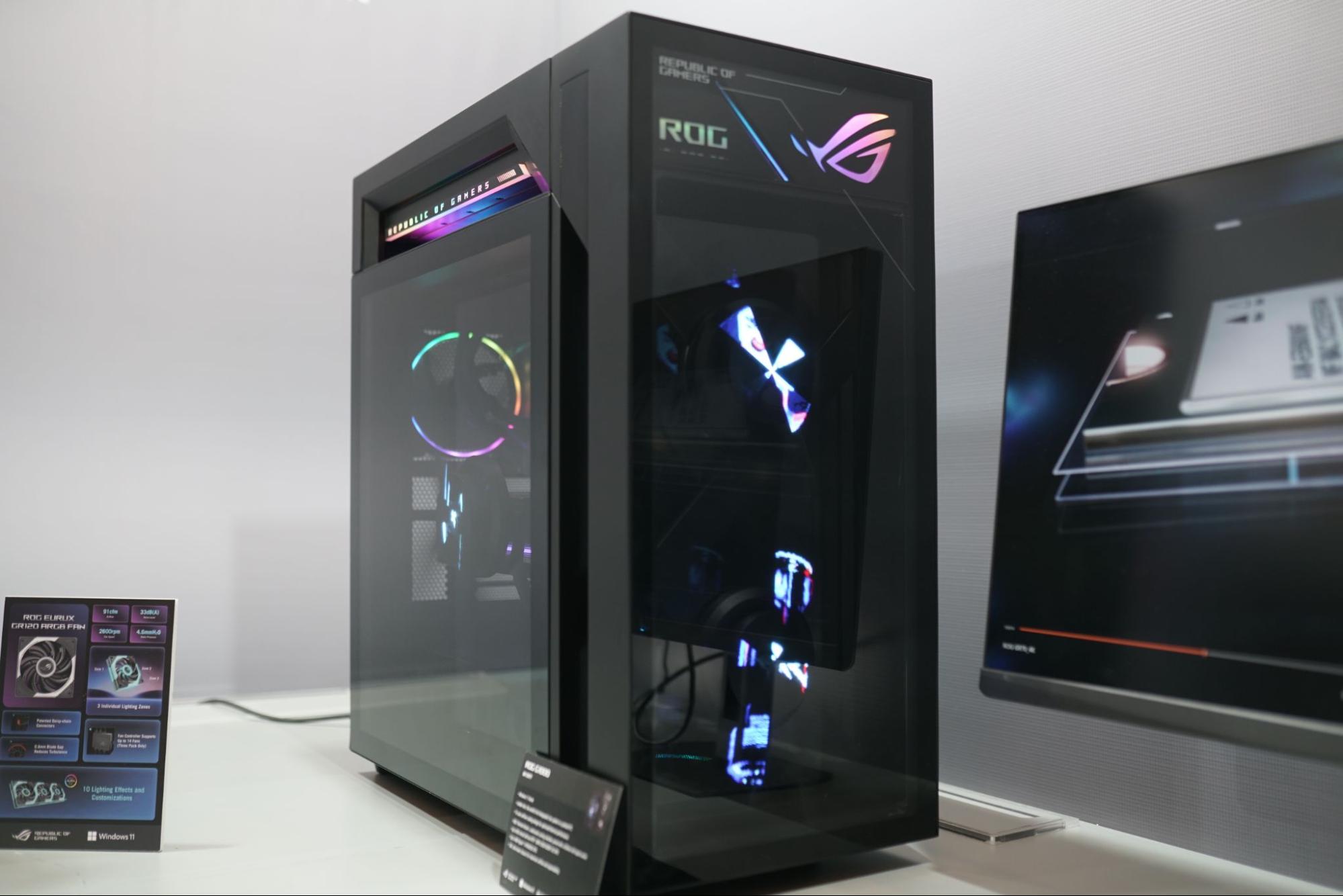
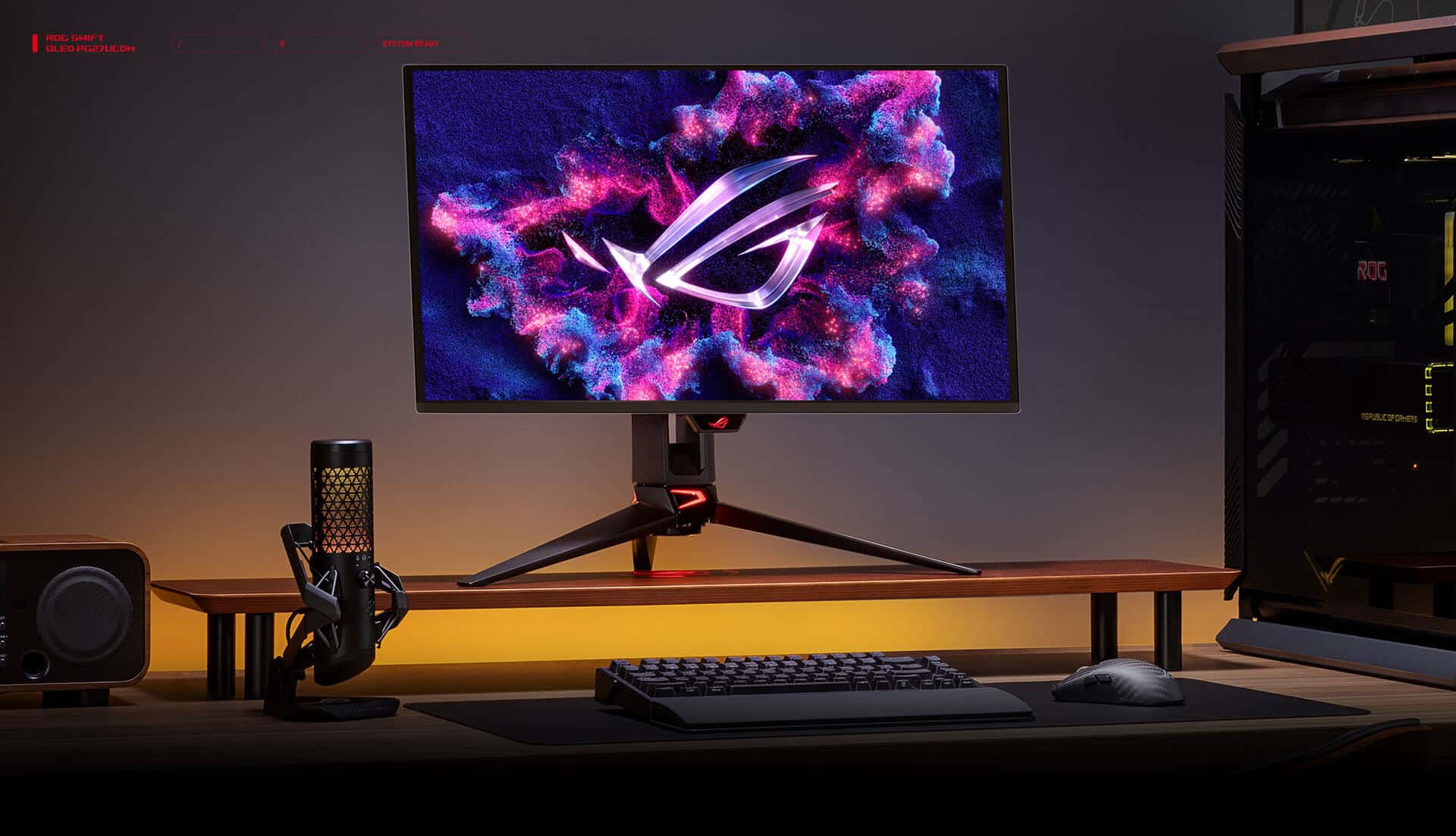
Top 10 Best Desktop Computers 2026 For Home Office And Work Dell Tower Plus 2026 Desktop Computer With Sleek Design And Powerful Components For Best. Geometric Future Highlights New PC Cases AIOs And PSUs At Computex . Top 10 Best Desktop Computers 2026 For Home Office And Work Lenovo Legion Tower 5i 2026 Budget Desktop Computer For Home Office Among Best Desktop. Framework S Modular Gaming Laptop Finally Gets An Nvidia GPU Upgrade 650 80 . ASUS ROG Showcase At CES 2026 Confirmed With New Gaming Gear Laptops 109228 43 Asus Rog Showcase At Ces 2026 Confirmed With New Gaming Gear Laptops And Future Technology Full

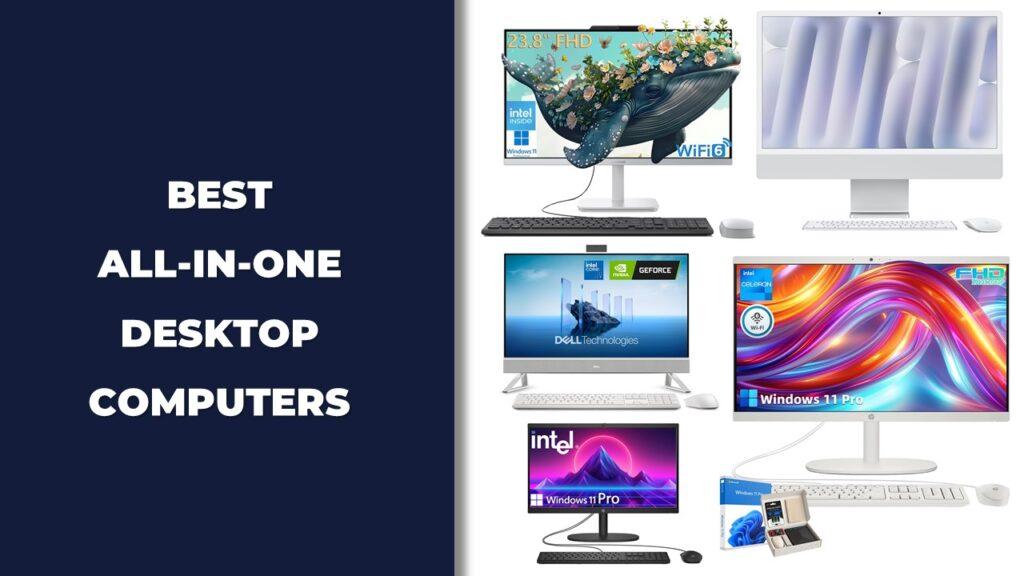
10 Best Inexpensive Desktop Computer In 2026 Features And FAQs SL500 . The Top 4 Gaming Desktop Computers In February 2026 Gadgets Club Top 4 Gaming Desktop Computers 1280x640 . Microsoft Brings AI Powered Assistance To Gaming Copilot Gaming Beta . How To Upgrade Your Gaming PC 2026 Edition GadgetMates Bg Intro1 . 12 Best Gaming PC Under 500 In 2026 Tested Reviewed Slide13 1024x576
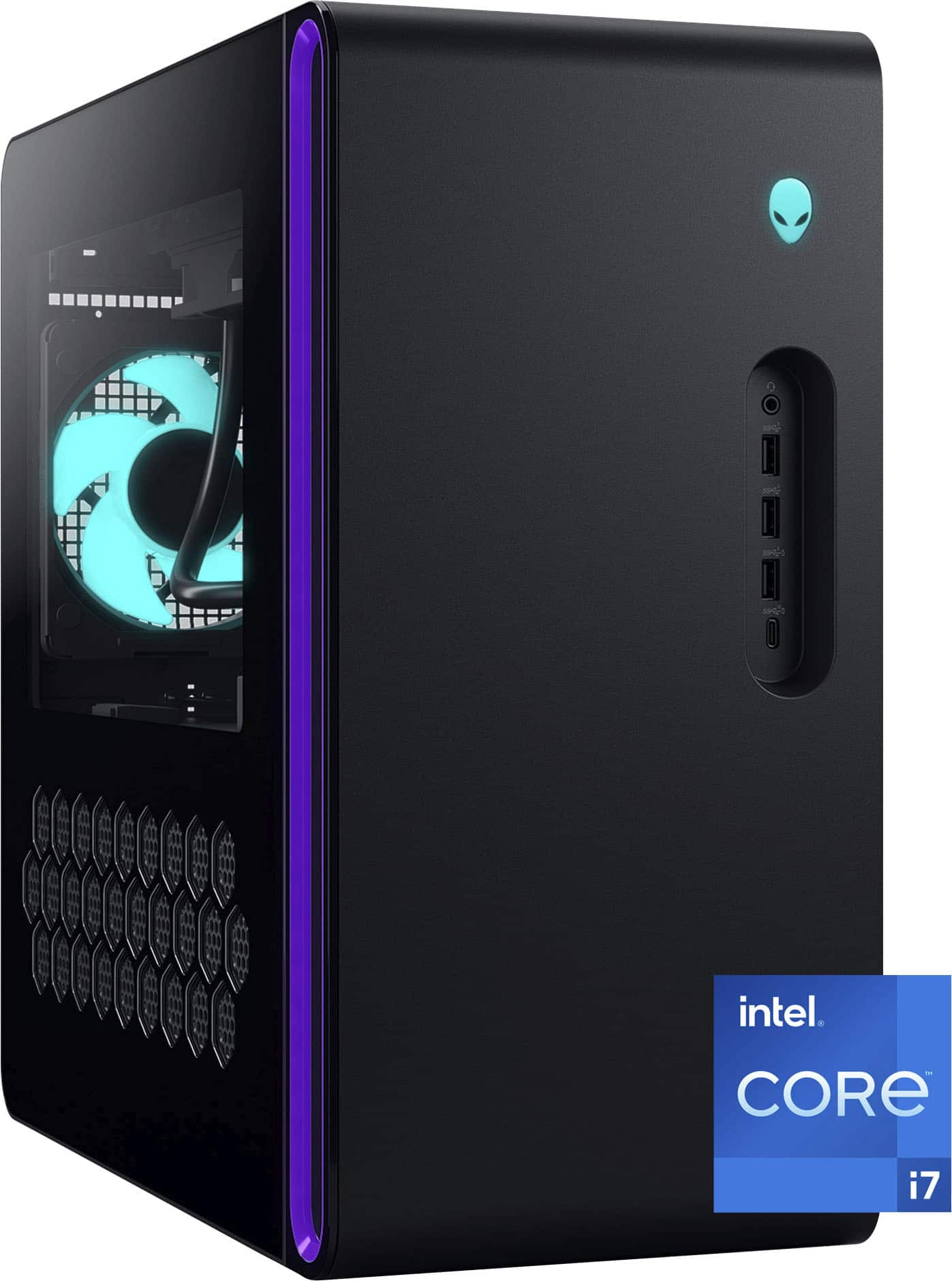


High End Gaming Desktops In Canada Top Picks Reviews 2026 6576331 Sd . ROG G700 2025 G700 Full Tower Gaming Desktop B974821D 07B6 4979 9474. Top 10 Best Desktop Computers 2026 For Home Office And Work HP OmniStudio X Pro 2026 All In One Desktop Computer With Large Display Ranked Among Best. Top 10 Best Desktop Computers 2026 For Home Office And Work Apple IMac M4 2026 All In One Desktop Computer For Creative In Best Desktop. Best Gaming Pc Best Gaming Pc

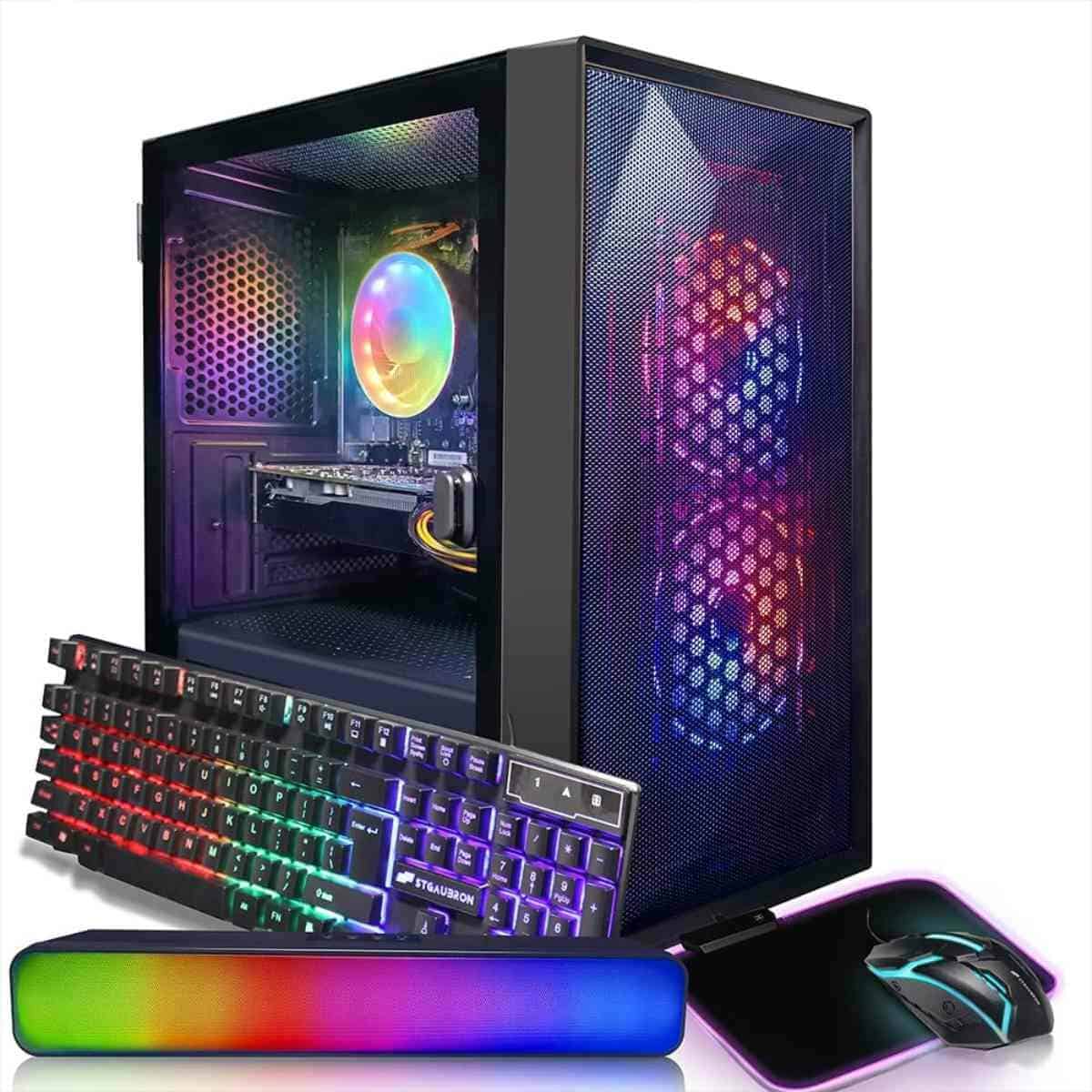

KRYNORCXY I7 Gaming Pc Full Setup Desktop Complete Computer SL1500 . Best Gaming Laptops PCs For Battlefield 6 RedSec In 2025 Best Gaming Desktop PC 2025 Main . Prebuilt Gaming PCs Ready To Ship Gaming Rigs For Every Budget AWD AWD 6 . Best 600 Gaming PC In August 2025 WePC STGAubron Gaming PC RTX 2060 1200x1200 . The Best Cheap Gaming Laptops For 2026 Tested For Gaming Top 3 Gaming Laptops Of 2026 - The Ultimate Guide 1200x342

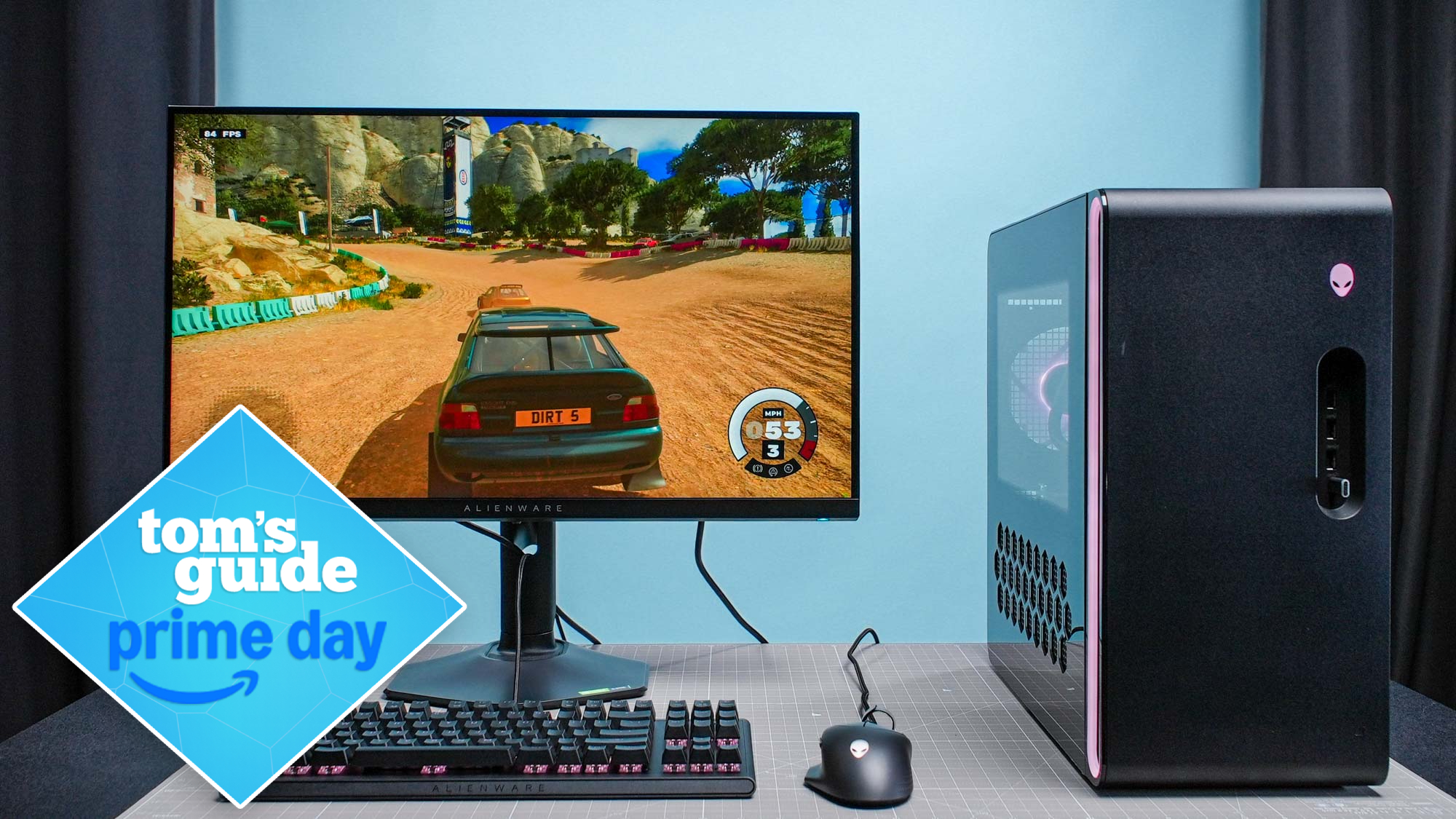


Amazon Com IPASON Gaming PC Desktop Intel Core I5 12400F 2 5 GHz AC . The Best Gaming PCs In 2024 Tom S Guide . Desktop Computers Coverage Tom S Guide . Gaming Computer Notebook Intel AMD PCWIN Gaming Pc.webp. Best Laptops 2026 Top Picks For Every Budget Use Case Xthe Best Laptops 2026 Top Picks For Every Budget Use Case 750x350


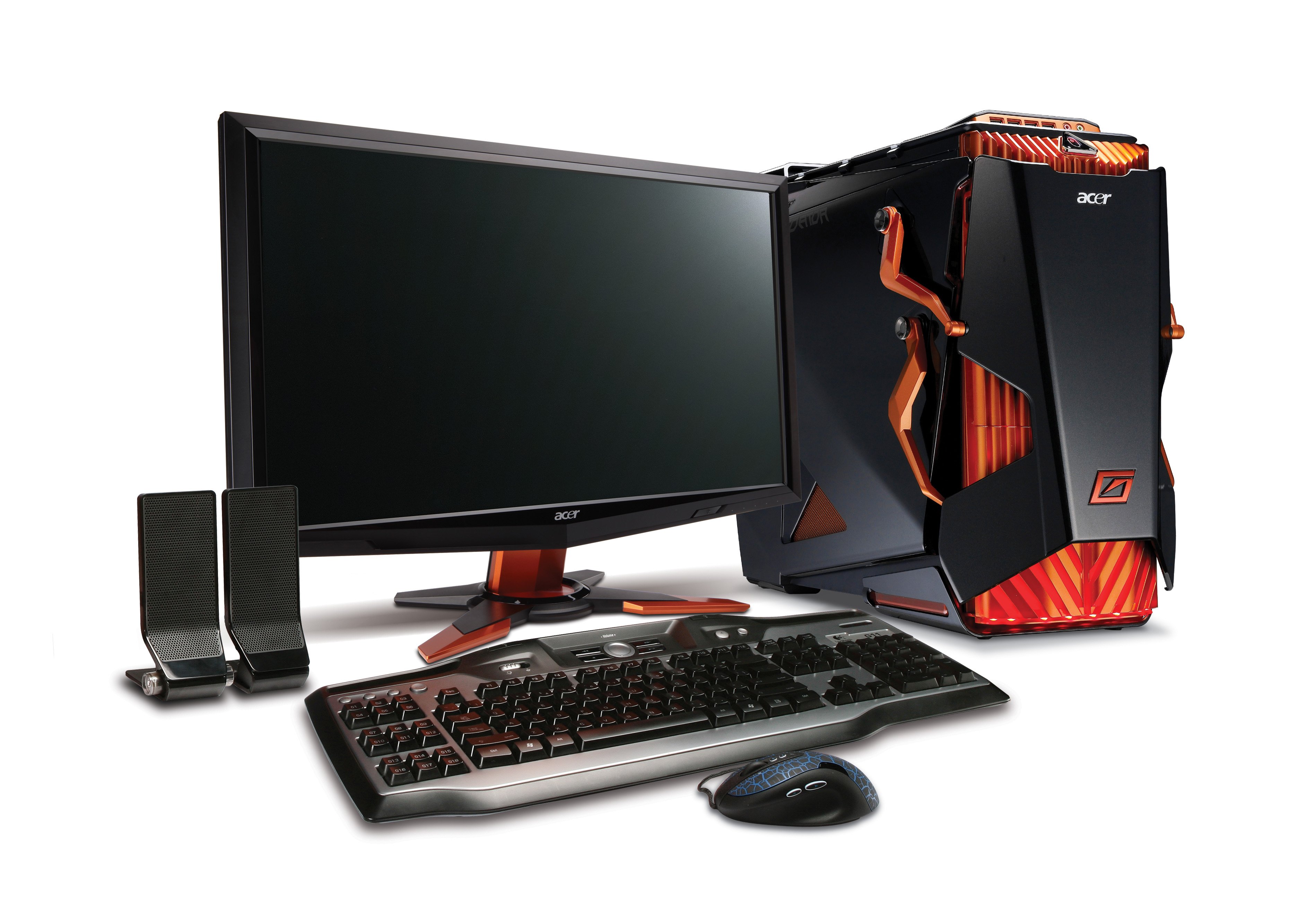
Skytech Gaming Nebula Gaming PC Desktop AMD Ryzen 5 3600 3 6 GHz AC SL1500 . Buy Online Discount Gaming Pc Gaming Computer Set . Announces Latest Gaming Desktop Computers With AMD S Ryzen TS 2026 Gamer Supreme Gaming Desktop Computers With AMD Ryzen 7 9850x3D Processors . Pc Gamer 400900 Acer Aspire Predator Gaming Desktop Computer . If GTA 6 Isn T Coming To PC Until 2026 This Is What A Top End Gaming 1200 80